Clutch Slipping: Signs, Causes, and How to Fix It
When your clutch slipping, a condition where the clutch fails to fully engage the engine and transmission, causing power loss during acceleration. Also known as clutch fade, it’s one of the most frustrating issues for drivers of manual cars — and it doesn’t just mean you need a new part soon. It means your car is already failing to do what it was built to do: transfer power smoothly from engine to wheels.
Clutch slipping usually happens because the friction material on the clutch disc is worn down, or because the pressure plate isn’t holding it tight enough. This isn’t something that happens overnight. It’s the result of constant use, aggressive driving, or poor maintenance. You’ll notice it first when you press the gas and the engine revs higher but the car doesn’t speed up like it should. It’s like driving in a higher gear than you should be — the engine screams, but the car drags. If you’ve ever felt this while climbing a hill or merging onto a highway, you’re not imagining it. That’s clutch slipping.
It’s not just about comfort — a slipping clutch can damage your flywheel, pressure plate, or even your transmission over time. And if you keep driving with it, you’ll end up spending way more than if you’d caught it early. The good news? You don’t need to be a mechanic to spot the warning signs. Engine revs rising without speed increase, a burning smell from the clutch area, difficulty shifting gears, or the car stalling when you release the clutch pedal — these are all red flags. And if your clutch is over 80,000 miles, especially in stop-and-go traffic, it’s already in the danger zone.
Related issues like a worn-out flywheel, a heavy rotating disc that connects the engine to the clutch and helps smooth out power delivery or a faulty clutch cable, the mechanical link between the pedal and the clutch mechanism that can stretch or snap over time can make slipping worse. Even something as simple as oil leaking onto the clutch disc — from a bad rear main seal — can cause it to lose grip. These aren’t just random problems. They’re part of the same system. Fix one, and you might prevent another.
Some people think clutch slipping means you need a brand-new clutch kit right away. But sometimes, it’s just a matter of adjusting the pedal free play, bleeding the hydraulic system, or replacing a worn release bearing. Other times, you’re looking at a full replacement. The difference? Cost. And time. And whether you get stranded on the side of the road tomorrow or next month.
Below, you’ll find real-world guides from drivers and mechanics who’ve been there. You’ll see how to test your clutch at home, what symptoms to watch for before it’s too late, and how to avoid getting ripped off on a replacement. Whether you’re trying to stretch your clutch a few more months or planning a full rebuild, the posts here give you the facts — no fluff, no guesswork.
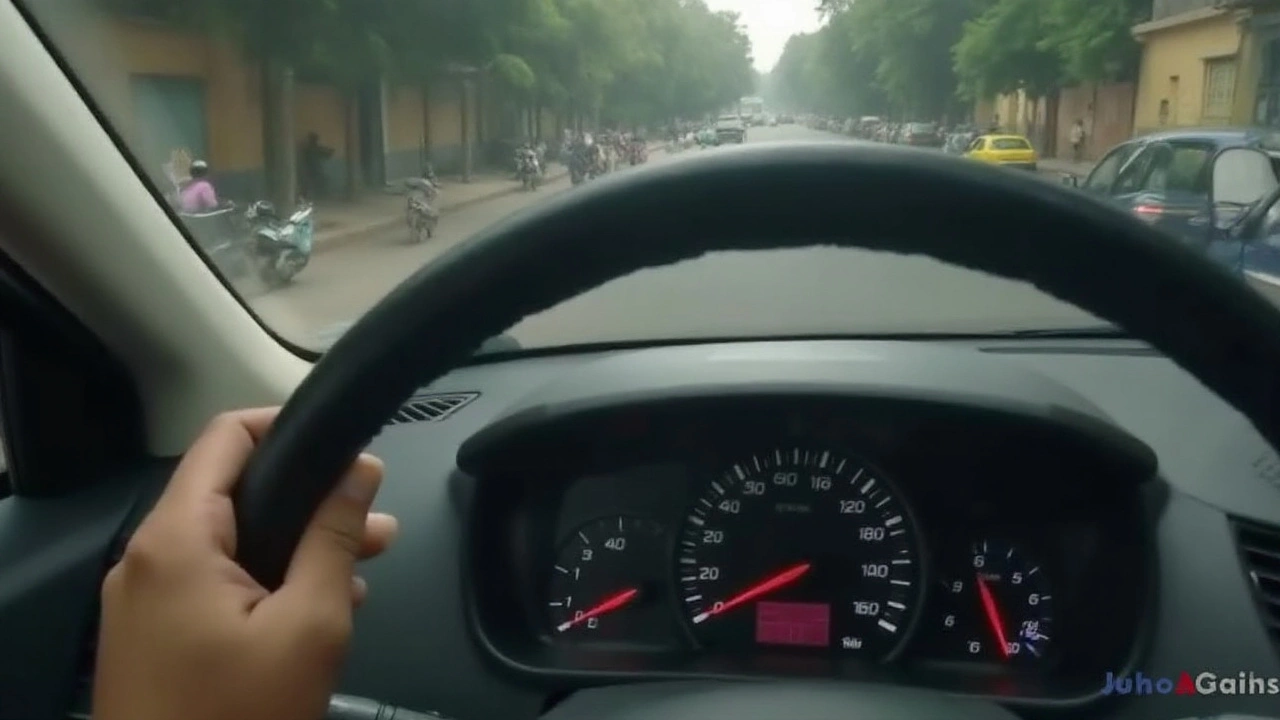
Detecting Clutch Slippage: Signs and Solutions
Understanding the signs of a slipping clutch is crucial to ensure your vehicle operates smoothly. A slipping clutch can be identified through various signs like engine revs not matching road speed, unusual noises, and a burning smell. This article dives into identifying these indicators, causes of clutch slipping, and effective troubleshooting tips for car enthusiasts. Learn how clutch kits can help restore your vehicle's performance. Stay informed to avoid costly repairs and maintain optimal driving conditions.