Clutch Slipping Causes: What's Really Wearing Out Your Clutch
When your clutch slipping, a condition where the clutch fails to fully engage, causing the engine to rev without transferring power to the wheels. It's not normal wear—it's a sign something's wrong, and ignoring it can wreck your transmission or flywheel. You might feel it as a delay when you press the gas, or hear the engine scream while the car barely moves. This isn't just about old parts. It's about how you drive, what's under the hood, and whether you've been ignoring early warning signs.
The most common clutch slipping causes, the underlying problems that lead to clutch failure are simple: worn friction material, oil contamination, or a weak pressure plate. If your clutch is over 80,000 miles and you drive in stop-and-go traffic, it's likely just worn out. But if it's slipping at 40,000 miles, you’ve probably been riding the clutch—keeping your foot lightly on the pedal while waiting at lights. That tiny pressure heats up the disc and glazes the surface, making it slip even faster. Oil leaks from a bad rear main seal or transmission input shaft seal can also coat the clutch, turning it into a slippery mess. And if the pressure plate springs are weak or broken, it won’t clamp the disc hard enough to transfer power.
Clutch wear, the gradual loss of material on the friction disc isn’t always obvious until it’s too late. You might think your car is just losing power, but it’s the clutch letting go. And if you’ve been towing heavy loads or doing frequent hill starts in traffic, you’ve been putting extra stress on it. A healthy clutch lasts 80,000 to 120,000 miles, but bad habits can cut that in half. The clutch replacement, the process of removing and installing a new clutch assembly isn’t cheap, and it’s not a quick fix—you’re replacing the clutch disc, pressure plate, and often the flywheel too. If you wait until the clutch fails completely, you risk damaging the flywheel or transmission, which can double the repair cost.
Clutch slipping doesn’t happen overnight. It’s the result of small, repeated mistakes—riding the pedal, shifting too fast, ignoring strange smells or vibrations. The good news? You can spot it early. Listen for burning smells, watch for RPM spikes without speed gain, and feel for a spongy or loose pedal. These aren’t just symptoms—they’re signals. And if you’ve been reading posts about clutch lifespan, clutch failure signs, or how to tell if your clutch is going, you’re already on the right track. Below, you’ll find real-world fixes, diagnostic tips, and what to expect when it’s time to replace it—before you’re stuck on the side of the road.
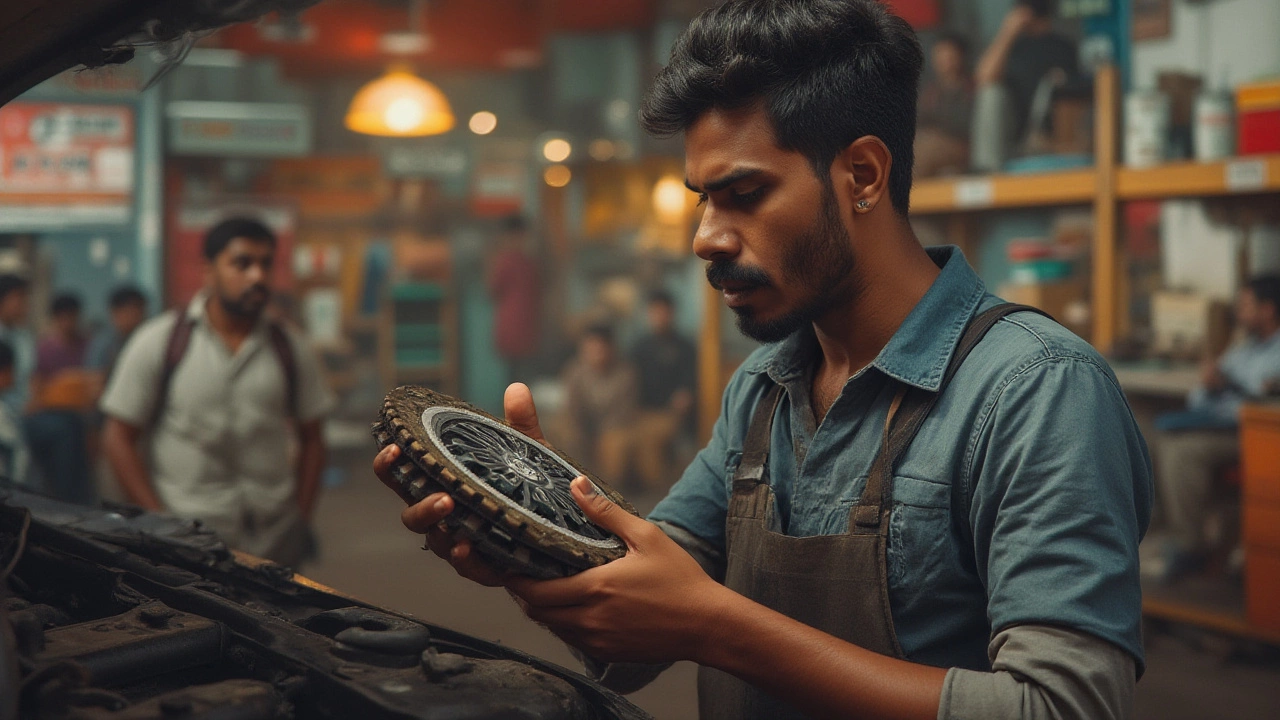
Brand New Clutch Slipping: Causes, Fixes, and Prevention for Drivers
Your clutch is new, but it’s still slipping? Discover why this happens, key warning signs, real-world causes, and practical fixes you can trust.