Clutch Wear: Signs, Causes, and How to Extend Your Clutch Life
When your clutch wear, the gradual breakdown of the clutch disc and pressure plate due to friction and use. Also known as clutch degradation, it’s one of the most overlooked signs that your car’s transmission is under stress. You might not notice it until you’re stuck on a hill or the car slips out of gear mid-drive. Clutch wear doesn’t happen overnight—it’s the slow result of driving habits, vehicle load, and how often you ride the pedal.
What causes clutch wear? It’s not just age. Constantly holding the clutch down at stoplights, shifting too fast without fully engaging, or towing heavy loads without the right setup speeds up the damage. A worn clutch doesn’t just feel funny—it starts slipping, especially under load. You’ll hear a burning smell, feel the engine rev without acceleration, or notice the car struggling to move from a stop. These aren’t just annoyances. They’re warnings that your clutch disc, the friction component that connects the engine to the transmission is thinning out. And if you ignore it, you risk damaging the flywheel, the heavy metal disc that smooths engine power and works directly with the clutch, which can cost twice as much to replace.
How long should a clutch last? Most last between 50,000 and 100,000 miles, but that’s only if you drive smart. Aggressive starts, frequent stop-and-go traffic, and heavy hauling can cut that in half. The good news? You can stretch your clutch life with simple habits: fully release the pedal before accelerating, avoid resting your foot on it, and don’t use the clutch to hold your car on hills—use the brake instead. If you hear grinding when shifting, or the pedal feels spongy or higher than usual, it’s time to check it out.
What you’ll find below are real, no-fluff guides on spotting clutch wear before it leaves you stranded, how to test your clutch at home, what parts usually fail alongside it, and how to avoid getting overcharged for a replacement. These aren’t theory pieces—they’re from people who’ve been there, fixed it, and saved money by acting early. Whether you’re driving a daily commuter or a tuned-up hatchback, understanding clutch wear means fewer surprises and more control on the road.

How Do I Know If I Need a New Clutch Kit? 7 Clear Signs Your Clutch Is Failing
Learn the 7 clear signs your clutch kit is failing - slipping, grinding, strange smells, and more. Don’t wait until your car won’t move. Fix it before it costs you thousands.
How Long Does a Clutch Kit Last? Real-World Lifespan and Signs of Wear
A clutch kit typically lasts between 60,000 and 100,000 miles, but real-world lifespan depends on driving habits. Learn the signs of wear, how to extend its life, and what causes premature failure.

How Many Miles Should a Clutch Last? Real-World Expectations and Signs of Wear
Most clutches last between 50,000 and 150,000 miles, but driving style and vehicle type make a big difference. Learn the signs of wear, how to extend clutch life, and when to replace it before it leaves you stranded.
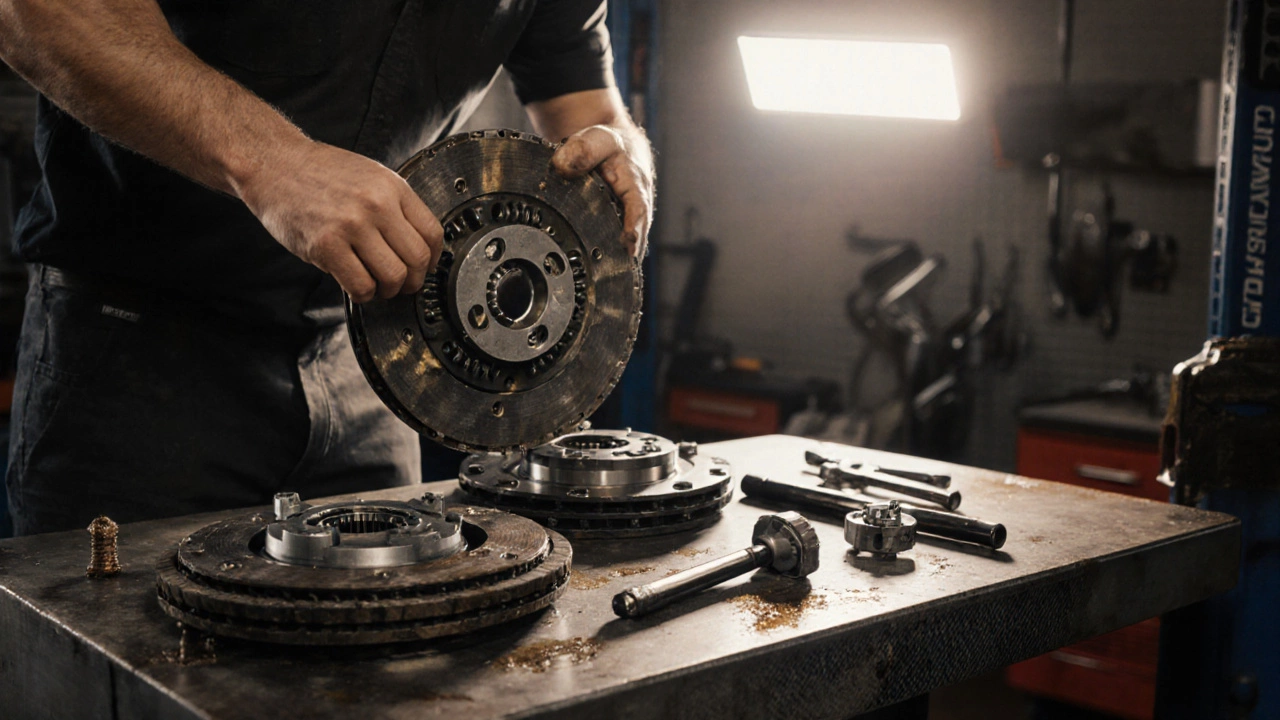
How Many Miles Does a Clutch Last? Real-World Expectations and Signs It’s Failing
A clutch typically lasts between 80,000 and 120,000 miles, but driving habits can cut that in half-or double it. Learn what really wears out a clutch, how to spot early signs of failure, and how to make yours last longer.

Clutch Kicking: Does It Really Wreck Your Clutch?
Does clutch kicking trash your clutch or is it just part of the game? This article looks at what actually happens inside your car when you clutch kick, how much damage you can expect, and whether it’s worth the risk. You’ll get real tips on making your clutch last longer, even if you love to drive hard. Find out how pro drifters handle their clutches and learn warning signs your clutch is about to quit. If you’re wondering how much fun you can have before you pay the price, you’ll get honest answers here.