Does Motor Oil Expire? What You Need to Know About Oil Shelf Life and Engine Health
When you buy a bottle of motor oil, a lubricant designed to reduce friction and protect engine parts from heat and wear. Also known as engine oil, it keeps your car running smoothly—but it doesn’t last forever. Even if the bottle is sealed and sitting in your garage, motor oil can degrade over time. It’s not like milk that smells bad, but its chemical makeup slowly breaks down, losing additives and becoming less effective at protecting your engine.
This matters because your engine relies on clean, properly formulated oil to survive. If you use oil that’s been sitting for years, you might not see immediate problems, but over time, you risk increased wear on pistons, bearings, and valves. The synthetic oil, a high-performance lubricant made from chemically engineered molecules lasts longer than conventional oil, but even synthetic oil has a shelf life—usually 5 to 7 years unopened. Once opened, it starts reacting with air and moisture, which speeds up breakdown. And if you stored it in a hot garage or a damp basement? That timeline shrinks even more.
How do you know if your oil is still good? Check the bottle. If it’s cloudy, has separated layers, or smells sour, toss it. Look at the expiration date printed on the label—most manufacturers include one. If there’s no date, assume 5 years from the manufacturing date (often stamped near the cap). And don’t forget: once you pour it into your engine, it starts collecting dirt, metal shavings, and combustion byproducts. That’s why oil changes matter more than mileage alone.
Many people think if they don’t drive much, they can skip oil changes. But sitting idle is worse than driving. Moisture builds up in the oil when the engine doesn’t get hot enough to burn it off. That’s why cars driven short distances or parked for months often need oil changes sooner than expected. It’s not about miles—it’s about time and condition.
And here’s something most don’t realize: mixing old and new oil doesn’t reset the clock. If you top off with fresh oil, you’re just diluting the degraded stuff. The additives in the old oil are already spent. You’re not fixing the problem—you’re delaying the inevitable.
What about storing extra oil? Keep it in a cool, dry place, upright, sealed tight. Avoid plastic containers if you can—glass or metal bottles hold up better over time. And always label the date you opened it. That way, you won’t accidentally use 8-year-old oil because you forgot you bought it during a sale.
You’ll find posts here that dig into what happens when you use the wrong oil, how to spot engine damage from bad lubrication, and why synthetic oil isn’t just a marketing trick. We’ve also covered how oil affects fuel economy, how to test oil quality at home, and why skipping oil changes can cost you thousands in repairs. This isn’t about following a schedule blindly—it’s about understanding what’s really inside your engine and why it matters.
Before you open that bottle of oil sitting in your garage, ask yourself: is this still good? Because the answer could save you from a costly engine rebuild—or worse, a breakdown on the highway.
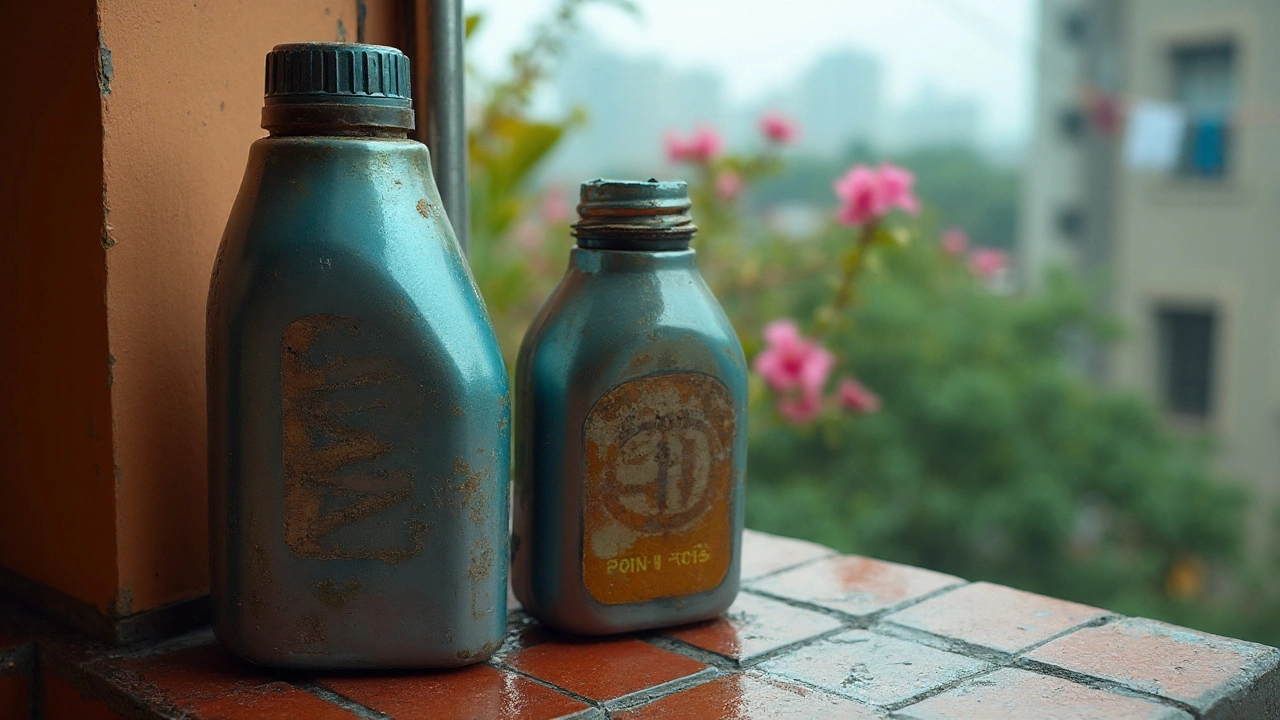
Does Car Oil Go Bad If Not Used? Shelf Life, Storage, and Time-Based Change Rules (2025)
Yes, unused oil ages. See shelf life for sealed/opened bottles, how long oil can sit in an engine, storage tips, and when to change by time, not miles.