Engine Cooling System: What It Does, Why It Matters, and How to Keep It Working
When your car runs, the engine cooling system, a network of parts designed to regulate engine temperature by circulating coolant. Also known as the radiator system, it’s the reason your engine doesn’t turn into molten metal after 20 minutes on the highway. It’s not just a radiator and some fluid—it’s a whole team working together: the radiator, a heat exchanger that pulls heat out of the coolant, the water pump, a belt-driven pump that moves coolant through the engine and radiator, the thermostat, a valve that opens and closes to control coolant flow based on temperature, and the coolant, a mix of water and antifreeze that absorbs and carries away heat. If any one of these fails, your engine overheats—and that’s when things get expensive, fast.
Most people think overheating means a busted radiator. But it’s often the thermostat stuck closed, a leaky hose, or even air trapped in the system. You might see steam, smell sweet burning fluid, or notice the temperature gauge climbing. Maybe your car loses coolant without leaving a puddle—that’s a sign of an internal leak, like a cracked head gasket. The engine cooling system doesn’t scream before it breaks. It whispers: a small puddle under the car, a weird hissing noise after you turn off the engine, or the heater blowing cold air when it should be hot. These aren’t just annoyances—they’re red flags. Ignoring them can lead to warped cylinder heads, blown head gaskets, or a seized engine. Replacing a radiator costs a few hundred bucks. Rebuilding an engine? That’s thousands.
What you’ll find below are real, no-fluff guides from people who’ve been there. How to tell if your radiator is failing before it leaves you stranded. Whether replacing it is worth the cost. What those weird noises from your cooling system actually mean. And how to fix a bad thermostat without paying a mechanic. These aren’t theory pieces—they’re step-by-step fixes from drivers who saved money by acting early. You don’t need to be a mechanic to keep your engine cooling system working. You just need to know what to look for—and when to act.
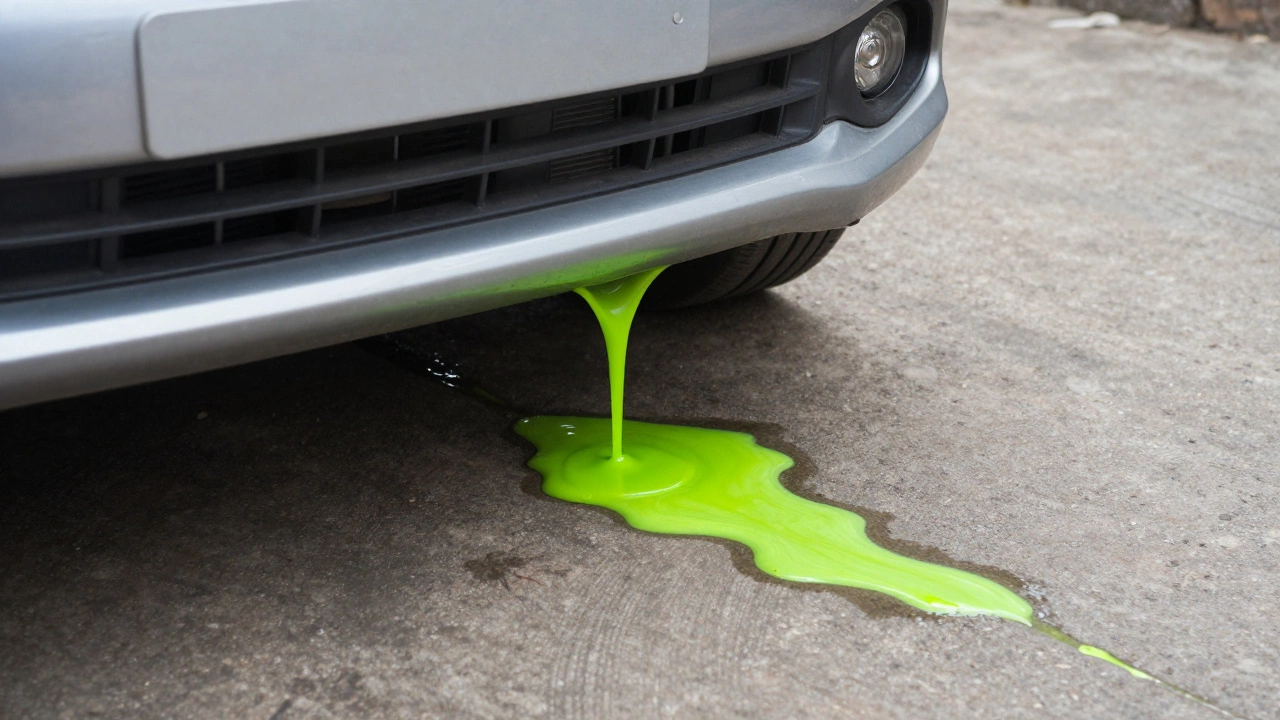

Can a Bad Radiator Cause a Blown Head Gasket?
When your radiator isn’t working right, it can easily cause your engine to overheat, and in some cases, lead to a blown head gasket. This article breaks down how a bad radiator sets off a chain reaction that can ruin your engine. You’ll learn the warning signs, why catching radiator problems early matters, and what simple fixes can save you from expensive head gasket repairs. Plus, I’ll share some easy ways to spot trouble under your hood before it blows up your wallet. Staying ahead of radiator issues is easier than most people think.