Engine Oil Color: What It Tells You About Your Car's Health
When you check your engine oil, the liquid that lubricates your engine’s moving parts and prevents overheating. Also known as motor oil, it’s one of the most important fluids in your car. The color of that oil isn’t just a random shade—it’s a direct report card on what’s happening inside your engine. Fresh oil is usually amber or light brown, clear enough to see through. But if it turns black, milky, or thick like tar, something’s wrong. Ignoring those changes can lead to engine seizures, blown gaskets, or a repair bill that eats up your savings.
Dark oil isn’t always bad—it’s normal for oil to darken as it collects dirt and combustion byproducts. But if it turns pitch black within a few thousand miles, or feels gritty when rubbed between your fingers, your oil’s done its job too well and is now causing harm. Milky oil? That’s a red flag. It usually means coolant is leaking into the oil, often from a cracked head gasket or failed oil cooler. That mix turns your lubricant into sludge, which can destroy bearings and pistons in days. And if you see metal flakes or shiny particles, your engine’s internal parts are wearing out fast. These aren’t guesses—they’re facts backed by mechanics who’ve pulled apart engines after owners ignored the warning signs.
The oil viscosity, how thick or thin the oil flows at different temperatures matters just as much as color. Using the wrong grade—like 5W-30 instead of 10W-40—can cause poor lubrication, especially in extreme heat or cold. And if you’re topping off with different brands or types, you might be creating chemical conflicts that break down the oil faster. Synthetic oil lasts longer and resists breakdown better than conventional, but even synthetics turn dark and lose effectiveness over time.
Most people wait for the oil change light or a scheduled service date. But waiting that long is like waiting for your smoke alarm to scream before you notice the fire. Checking your oil color every few weeks takes two minutes and can save you thousands. Pop the dipstick, wipe it clean, reinsert it, then pull it out again. Look at the color, smell it (burnt oil smells like burnt toast), and feel the texture. If it’s thick, smells like gasoline, or looks like chocolate milk, don’t drive it far. Get it checked.
What you’ll find below are real stories from people who ignored the oil color—and those who caught the problem early. You’ll see how bad spark plugs, failing fuel pumps, and overheating radiators all affect oil condition. You’ll learn why some oil changes are useless if the root problem isn’t fixed. And you’ll find out exactly when to replace your oil, when to replace your engine, and when to walk away from the car before it’s too late.
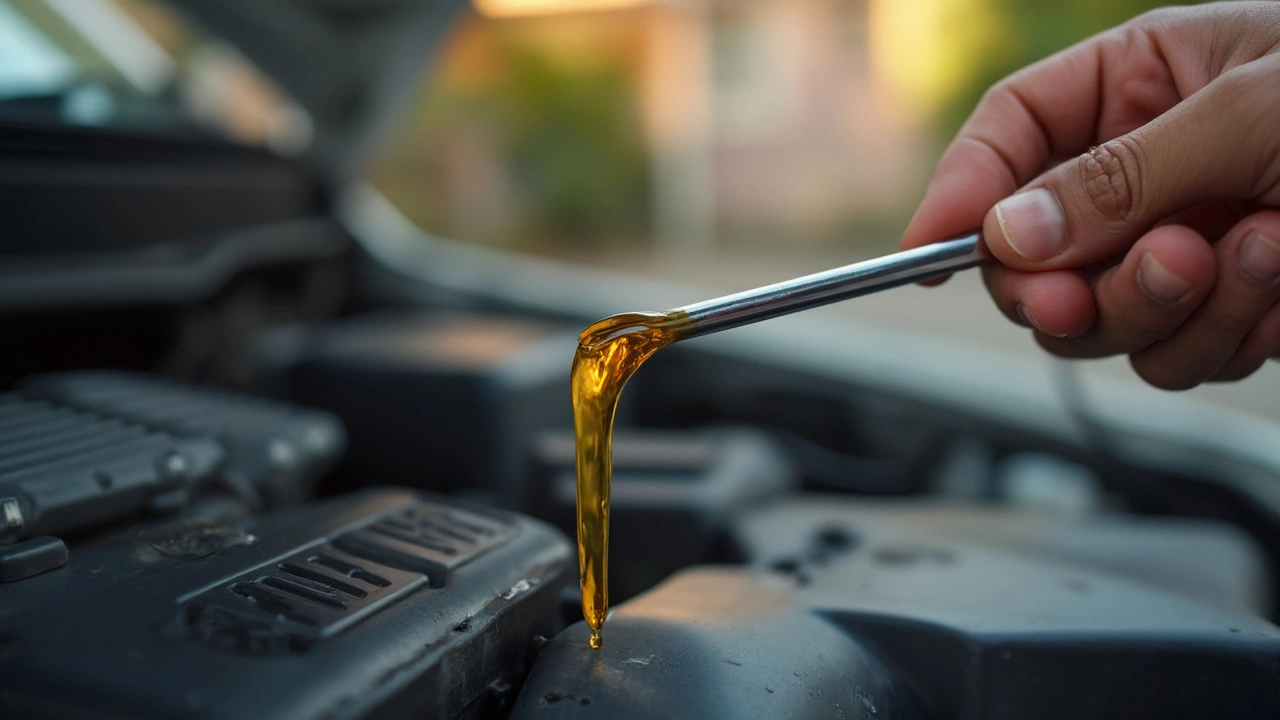
What Color Should Oil Be on a Dipstick? A Quick Guide for Drivers
Engine oil color on your dipstick tells you a lot about your car's health. This guide breaks down what those shades really mean, from golden new oil to dark, used fluid. You'll learn why oil changes color, when you should actually worry, and how to easily check your oil at home. Tips for spotting potential engine issues just by looking at the dipstick make this a must-read for anyone who drives. No jargon—just clear, practical advice.