Expensive Air Filters: Are They Worth the Cost?
When you see an expensive air filter, a high-performance automotive component designed to improve engine airflow while trapping dirt and debris. Also known as performance air filter, it's often marketed as a must-have for better horsepower and fuel economy. But does paying three or four times more than a standard filter actually change anything under the hood?
The truth is, not all air filters are created equal. A standard paper filter does one thing well: block dirt. A high-efficiency air filter, a reusable, often cotton-gauze or foam-based filter engineered for higher airflow and longer life, might let in more air—but that doesn’t always mean more power. In most everyday cars, the engine’s computer adjusts fuel delivery to match airflow, so even if you’re feeding it more air, it’s not going to magically make your car faster. The real benefit shows up in high-performance engines, racing setups, or vehicles modified for more airflow. For a daily driver? The gains are barely measurable on a fuel economy gauge.
What you’re really paying for with an expensive air filter, a premium automotive intake component that often comes with a warranty, reusable design, and branded marketing. Also known as cold air intake filter, it’s frequently bundled with aftermarket intake systems is convenience and longevity. These filters can be cleaned and reused for 50,000 miles or more, while cheap paper filters get tossed every 12,000 miles. If you’re the type who changes their own oil and likes to avoid recurring costs, that adds up. But if you’re getting your oil changed at a shop, you’re probably paying more for labor to install a filter you could’ve swapped for $8. And if you’re not careful, over-oiling a performance filter can foul your mass airflow sensor—costing hundreds to fix.
It’s also worth asking: what’s the real impact on your engine? Studies from the Society of Automotive Engineers show that modern factory air filters already block over 99% of airborne particles. The difference between a $15 filter and a $60 one isn’t in protection—it’s in airflow resistance. In stock engines, that resistance is designed to balance performance and emissions. Pushing too much air through a stock intake can throw off the air-fuel ratio, trigger the check engine light, or even void your warranty. So unless you’ve upgraded your exhaust, tuned your ECU, or added a turbo, you’re not gaining much.
And then there’s the noise. Some expensive filters come with open-element designs that make your engine sound louder—sometimes louder than you want. That’s not performance, that’s theater. If you’re chasing that throaty growl, you’re buying a sound, not a power gain.
What you’ll find in the posts below are real-world tests, cost comparisons, and mechanic insights on whether upgrading your air filter actually matters. From how a dirty filter kills fuel economy to why some so-called "performance" filters fail in dusty conditions, these articles cut through the hype. You’ll see what works for daily drivers, what’s worth it for modified cars, and what’s just a marketing trick. No fluff. No guesswork. Just what you need to know before you hand over your cash.
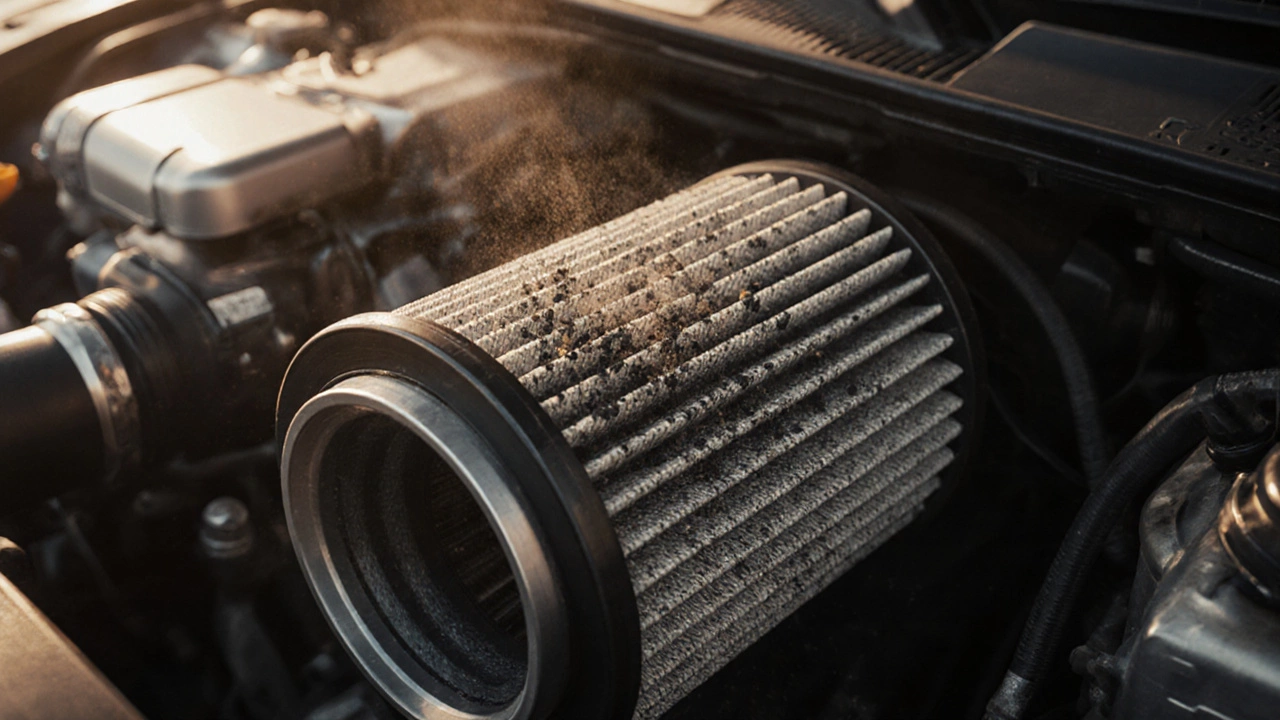
Do Expensive Air Filters Really Perform Better?
Explore whether pricey air filters truly outperform cheaper options. Learn filter types, performance metrics, cost‑benefit analysis, and maintenance tips for smarter buying.