Front Brakes: What They Are, How They Work, and When to Replace Them
When you hit the brake pedal, front brakes, the primary stopping mechanism in most vehicles that convert motion into heat through friction. Also known as front braking system, they handle up to 70% of your car’s stopping power—because weight shifts forward during braking. Without them working right, even the best tires won’t save you from a crash. Most cars today use disc brakes up front, with brake pads, clamping components made of friction material that press against the rotor and brake rotors, the spinning metal discs that pads grip to slow the wheel doing the real work. Behind them, hydraulic fluid pushes pistons, and calipers squeeze everything together. It’s simple physics—but when parts wear out, the results aren’t simple at all.
Brake pads wear down over time. Most last between 30,000 and 70,000 miles, depending on how you drive. City driving with lots of stop-and-go? You’re burning through them faster. Highway cruising? They’ll last longer. But it’s not just the pads. Rotors get scored, warped, or rusted. Calipers stick. Brake fluid gets dirty and absorbs moisture, lowering its boiling point. And if you hear a high-pitched squeal, that’s not your car singing—it’s the wear indicator telling you to stop ignoring the problem. Ignoring front brake issues doesn’t just mean longer stopping distances. It means more expensive repairs down the line. A warped rotor might cost $150 to replace. Let it damage the caliper? That’s $500. Wait until the rotor cracks? You’re looking at a new hub assembly and maybe even suspension damage.
What you’ll find below are real, no-fluff guides from drivers who’ve been there. How to tell if your front brakes are failing before it’s too late. What tools you actually need to replace pads yourself. Why some brake jobs cost twice as much as they should. And how to spot a shop that’s trying to upsell you on parts you don’t need. These aren’t theory pieces—they’re step-by-step fixes, cost breakdowns, and warning signs from people who’ve done the work. Whether you’re checking your brakes before a road trip or replacing them on a weekend, this collection gives you the facts without the sales pitch.
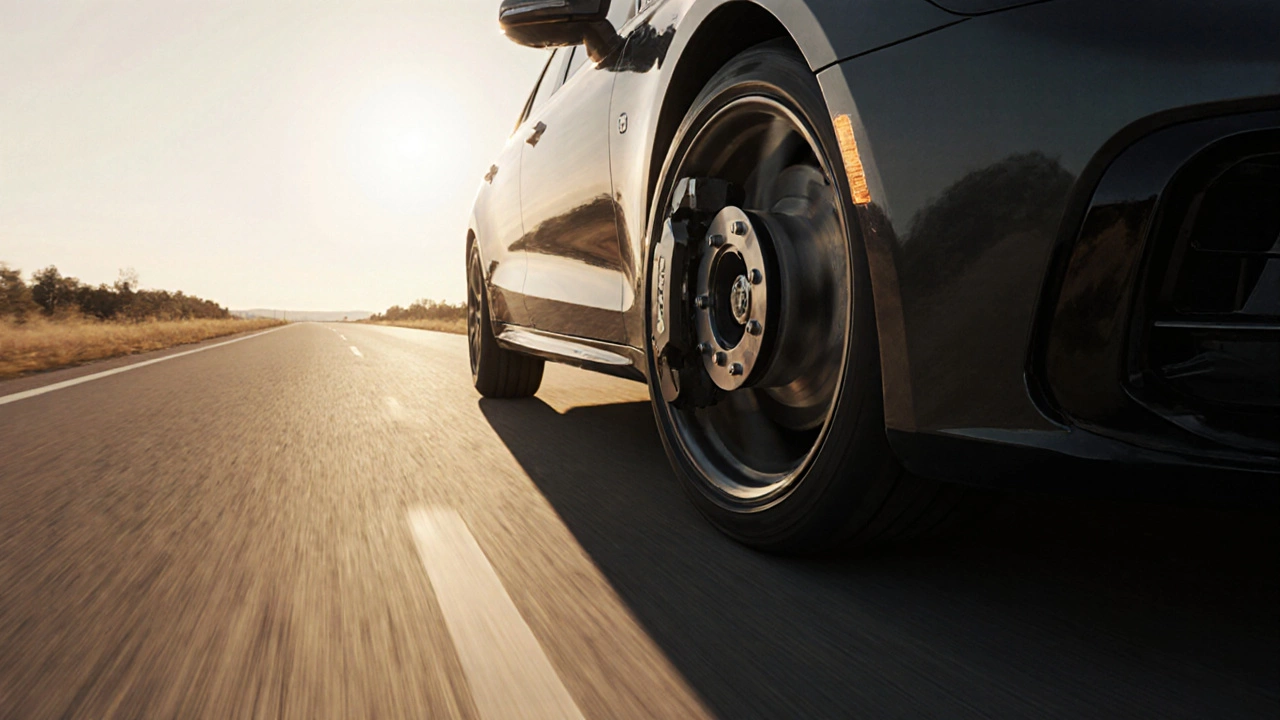
Front vs Rear Brakes: Which Do the Heavy Lifting?
Learn why front brakes usually do most of the stopping work, when rear brakes matter, and how to keep both axles in top shape for safety and performance.