Front Suspension: What It Does, How It Fails, and What to Fix
When you drive over a bump and your car doesn’t bounce like a trampoline, that’s the front suspension, the system that connects your wheels to the chassis and absorbs road shocks to keep you in control. Also known as front end suspension, it’s not just about comfort—it’s your car’s first line of defense against losing grip, control, or worse, an accident. Without it, every pothole would shake your bones, your tires would wear unevenly, and steering would feel loose or unpredictable.
The front suspension isn’t one part—it’s a team. It includes shock absorbers, which dampen the bounce; struts, which hold the spring and act as a structural part of the steering system; ball joints, which let the wheels turn and move up and down; and control arms, which guide the wheel’s motion. These parts work together to keep your tires flat on the road, even when the surface isn’t. When one fails, the others wear faster. A worn ball joint doesn’t just rattle—it can make your car pull to one side. A bad strut doesn’t just feel bouncy—it can turn a quick turn into a scary slide.
You don’t need a mechanic to spot trouble. Listen for clunks when you go over speed bumps. Feel if your car leans too much when turning. Notice if your tires are wearing unevenly on the inside or outside edges. These aren’t just annoyances—they’re warnings. A 2023 study by the National Highway Traffic Safety Administration found that over 15% of vehicle crashes linked to mechanical failure involved suspension problems. Most of them could’ve been caught early with a simple bounce test: push down on the front of your car. If it keeps bouncing more than once, your shocks or struts are done.
Fixing front suspension isn’t always expensive—but waiting makes it worse. Replacing a pair of shocks might cost $200–$400. Letting them go until the struts break? That could mean new control arms, damaged tires, even alignment issues that add $500 more. And if you’re driving on worn ball joints? You’re risking a wheel coming off. That’s not a myth—it’s a real incident reported in dozens of cases every year.
Below, you’ll find real guides from people who’ve been there. They show you how to tell if your front suspension is failing, what parts actually need replacing, how to diagnose the noise your car makes, and how to fix it without overpaying. No fluff. No theory. Just what works on the road, in the driveway, and in your wallet.
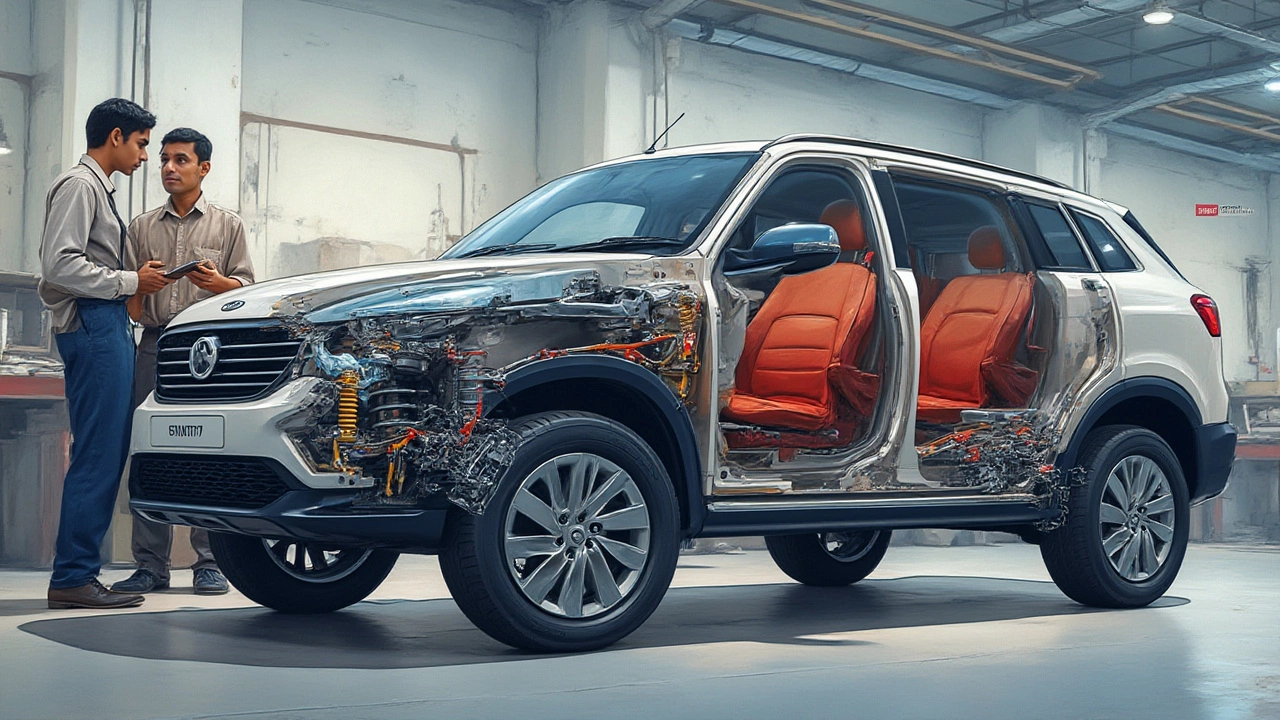
Best Front Suspension Systems: Comparing MacPherson, Double Wishbone, and More
Learn which front suspension system is best for your car. Dive into the pros, cons, and facts about MacPherson strut, double wishbone, and more. Make a smart choice.