Fuel Pump Installation: How to Do It Right and Avoid Costly Mistakes
When your car sputters, stalls, or won’t start—especially after sitting for a while—it’s often not the battery. It’s the fuel pump, a critical component that pushes gasoline from the tank to the engine under pressure. Also known as fuel delivery pump, it’s one of those parts you never think about until it stops working. Unlike a light bulb you can swap in seconds, a failing fuel pump doesn’t always scream for help. Sometimes it just whispers—engine hesitation, long cranks, or sudden loss of power on the highway. And if you ignore it, you’re not just risking a breakdown—you’re risking damage to your injectors, engine, or even the fuel tank itself.
Fuel pump installation, the process of replacing a worn or broken fuel pump. Also known as fuel system repair, it’s not just about popping in a new part. It’s about safety, precision, and knowing what to check before you even open the tank. Did you disconnect the battery first? (You should.) Are the fuel lines clean and free of cracks? Is the fuel filter due for replacement? These aren’t optional steps—they’re what separate a quick fix from a repeat job. And if you’re doing this yourself, you need to know how to test the pump first. A bad fuel pump can mimic other problems—like a clogged filter or weak spark. Testing it with a fuel pressure gauge saves you from throwing money at the wrong part.
Many people assume installing a fuel pump means pulling the whole tank. That’s true for most cars, but not all. Some models have an access panel under the rear seat. Others require dropping the tank, which adds hours and risk. And if you don’t drain the fuel properly, you’re asking for a mess—and a fire hazard. The right tools matter: a fuel line disconnect tool, a torque wrench for the sending unit bolts, and a clean workspace. Even the smallest bit of dirt in the tank can kill a new pump in weeks.
And here’s something no one tells you: fuel pump failure, often caused by running the tank low too often. Also known as fuel starvation, it’s one of the most preventable causes of breakdowns. Gasoline doesn’t just power your engine—it cools and lubricates the pump. Run your tank near empty every day, and you’re slowly grinding the pump to death. That’s why a new pump installed in a dirty tank often dies again in months. Cleaning the tank or adding a fuel system cleaner before installation isn’t a luxury—it’s insurance.
What you’ll find below are real, tested guides from people who’ve been there. From how to diagnose a bad fuel pump without a scanner, to step-by-step installation with common mistakes to avoid, to whether you really need to disconnect the battery (yes, you do). You’ll see what tools actually work, which brands last longer, and why some DIYers end up spending twice as much fixing what they broke. This isn’t theory. It’s what happens when you skip the basics—and how to make sure you don’t.
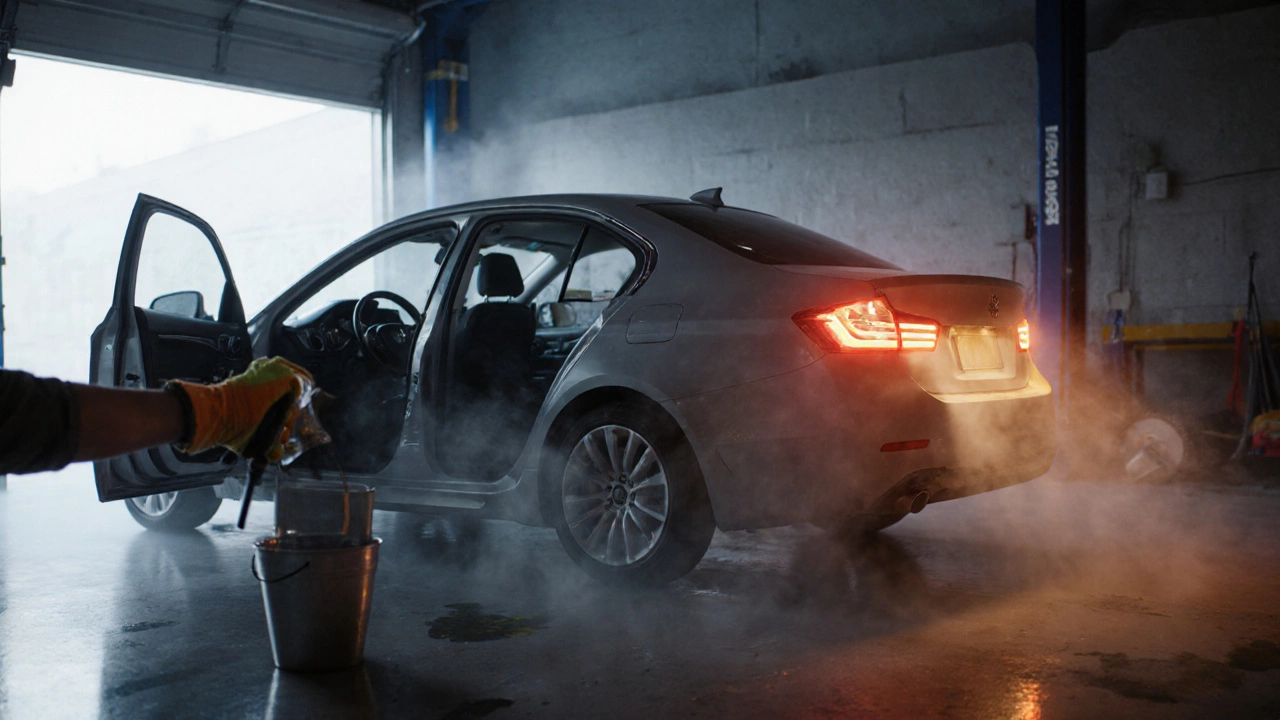
How Easy Is It to Replace a Car Fuel Pump?
Learn if swapping a car fuel pump is a weekend DIY or a shop job. Get tools, step‑by‑step instructions, safety tips, cost comparison and FAQs.