Indoor Air Quality: How Car Parts Affect Your Cabin Air
When you think about indoor air quality, the cleanliness of the air inside enclosed spaces like homes or vehicles. Also known as cabin air quality, it's not just about your house—it’s also what’s swirling around you every time you turn the key in your car. Most people don’t realize their car is a moving air filter system, and if one part fails, you’re breathing in dust, pollen, exhaust fumes, and even mold.
The cabin air filter, a small but critical component that traps pollutants before they enter the passenger compartment is the first line of defense. It’s not the same as your engine air filter—this one keeps the air you breathe clean. If it’s clogged or missing, you’re pulling in road grime, tire particles, and even exhaust gases from the cars ahead. A bad exhaust system, the pathway that carries engine fumes away from the vehicle can leak carbon monoxide into the cabin, especially if there’s a rust hole or loose connection. That’s not just unpleasant—it’s dangerous. And then there’s the engine oil, the lubricant that keeps your engine running smoothly but can also emit harmful vapors if it’s old or leaking. Overheating engines or burning oil can release fumes that mix with cabin air, making it thicker and harder to breathe.
These aren’t just mechanical issues—they’re health issues. People with asthma, allergies, or respiratory conditions feel the difference immediately. A clean cabin air filter cuts down on sneezing and itchy eyes during pollen season. A properly sealed exhaust keeps carbon monoxide out. Using the right engine oil prevents smoke and odor buildup. And yet, most drivers replace these parts only when something breaks, not when it’s time to protect their lungs.
Below, you’ll find real guides on how to fix, replace, or upgrade the parts that directly impact the air inside your car. From checking your cabin filter in under five minutes to spotting a failing exhaust before it becomes a hazard, these posts give you the tools to breathe easier—no matter how far you drive.
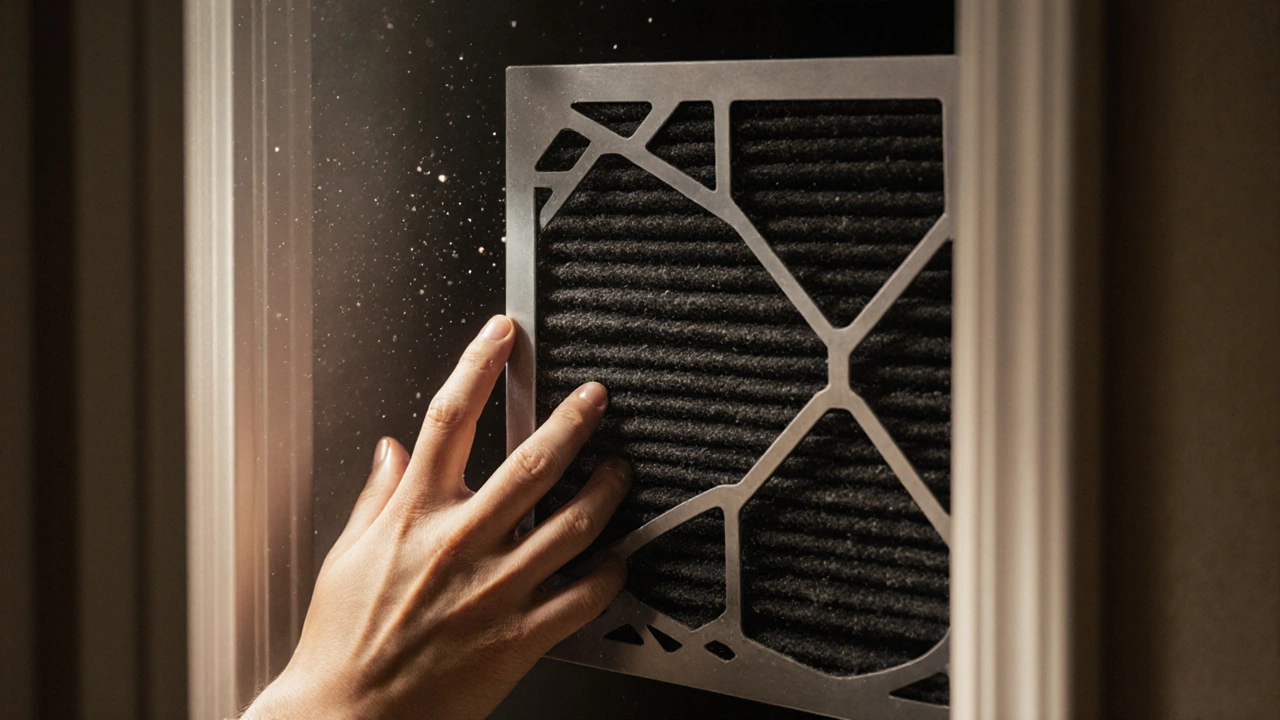
How Often to Replace Your Whole‑House Air Filter
Learn how often to replace your whole‑house air filter based on filter type, household conditions, and indoor air quality needs.

Is MERV 8 or 11 Better? Decoding the Best Air Filter for Your Space
Deciding between a MERV 8 or MERV 11 air filter can get confusing, especially with all the technical details floating around. This article breaks things down so you can see which filter fits your needs—whether it’s about catching more dust, dealing with allergies, or making sure your HVAC runs smoothly. We’ll share facts, benefits, and even some tips to make your next filter swap a no-brainer. No sales pitch—just real talk about what these filters actually do. Know exactly what to expect from each one and how to pick the right upgrade for your home.

The Best MERV Rating for Home Air Filters
Choosing the right MERV rating for home air filters can greatly impact indoor air quality and HVAC system efficiency. With a range of ratings available, it’s crucial to understand which MERV level balances air purity and system performance. This guide helps homeowners navigate the options and make informed decisions about their air filtration needs. Tips and facts are provided to ensure cleaner, healthier air at home.

Expensive Air Filters: Are They Worth the Investment for Clean Air?
In the world of air filters, price often seems correlated with quality, but does paying more always guarantee better performance? This article delves into the effectiveness of costly air filters compared to their budget counterparts. It navigates through the maze of filter types, looking at what makes some seemingly superior and whether that holds up in practice. Offering practical insights, readers will discover if higher-priced filters can truly enhance air quality and what to consider when making a choice.