Manual Transmission: How It Works, Common Problems, and What to Replace
When you shift gears yourself, you’re using a manual transmission, a mechanical system that connects your engine to the wheels and lets you choose which gear to use. Also known as a stick shift, it’s one of the most durable parts in your car—if you treat it right. Unlike automatics, manual transmissions don’t rely on complex electronics or fluid pressure. They use physical gears, a clutch, and a flywheel to transfer power. That simplicity means fewer things can break, but when they do, the damage can spread fast.
The biggest enemy of a manual transmission is the clutch, the part that disconnects the engine from the transmission when you press the pedal. Most clutches last between 50,000 and 150,000 miles, but if you ride the clutch, pop the gears, or drive in heavy traffic with your foot on the pedal, you’ll burn through it in half that time. A worn clutch doesn’t just slip—it can damage the flywheel, the heavy metal disc that smooths engine power and connects to the clutch. A warped or cracked flywheel makes shifting noisy and rough, and it’ll ruin a new clutch in weeks. Then there’s the gear shift, the lever you move to pick gears. If it feels loose, grinds when you shift, or won’t find neutral, the problem might be in the shift cables, synchronizers, or even the transmission itself. You don’t need to replace the whole transmission just because one part fails. But ignoring small issues—like a grinding noise when shifting from first to second—can turn a $400 clutch job into a $2,000 rebuild.
Manual transmissions are tougher than most people think, but they don’t forgive bad habits. If you’ve ever felt your car hesitate when you let off the gas, heard a clunk when you shift, or noticed the clutch pedal feels spongy, those aren’t normal. They’re signs something’s wearing out. The posts below cover real fixes: how to test a clutch before replacing it, what noises mean a flywheel is done, how to spot early gear shift problems, and whether you can save money by doing it yourself. Whether you drive a daily commuter or a weekend track car, understanding how your manual transmission works means you won’t get stranded—and you won’t pay more than you have to.

Slipping Clutch Symptoms — How It Feels & What To Do
Ever wonder what a slipping clutch feels like? Here’s how to spot the signs, why it happens, and what you should do if your clutch starts slipping.

Clutch Kicking: Does It Really Wreck Your Clutch?
Does clutch kicking trash your clutch or is it just part of the game? This article looks at what actually happens inside your car when you clutch kick, how much damage you can expect, and whether it’s worth the risk. You’ll get real tips on making your clutch last longer, even if you love to drive hard. Find out how pro drifters handle their clutches and learn warning signs your clutch is about to quit. If you’re wondering how much fun you can have before you pay the price, you’ll get honest answers here.
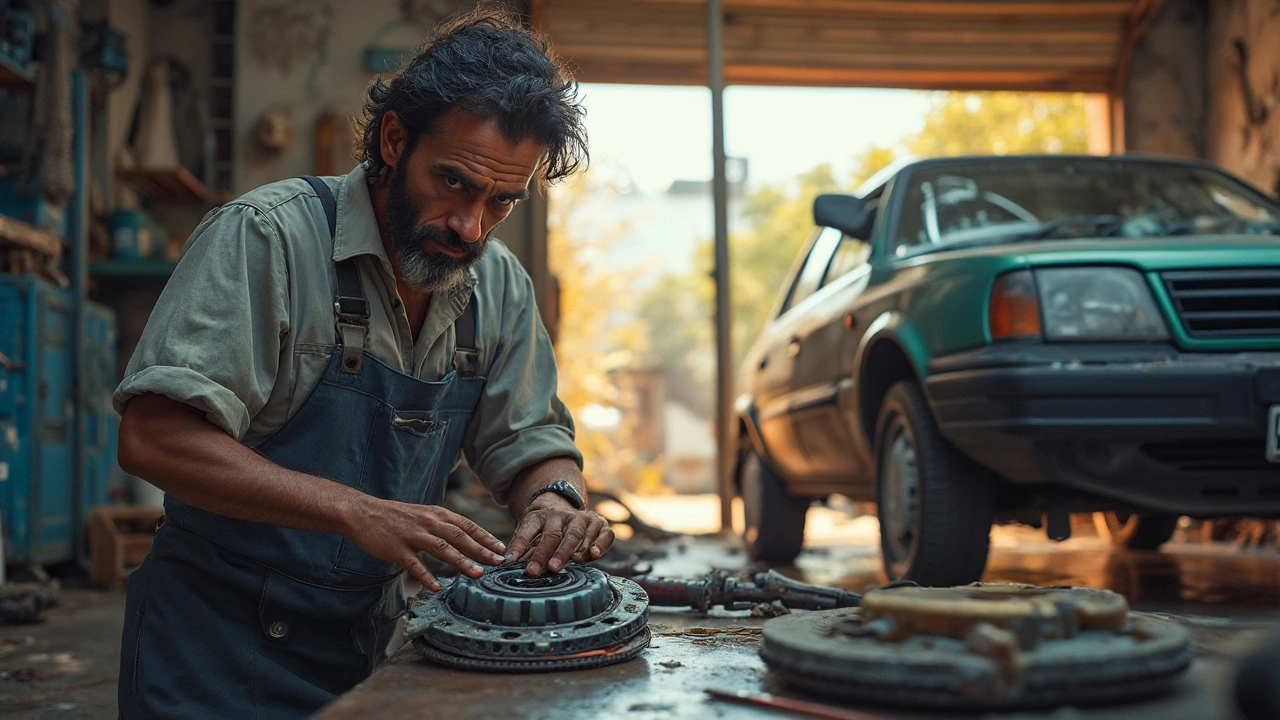
Slipping Clutch: Is It an Easy Fix or a Bigger Problem?
A slipping clutch can be a real headache, but how tough is it to fix? This article cuts through the confusion and explains what causes clutch slip, how hard it is to fix, and whether a DIY approach makes sense. You'll get the true costs, time estimates, and tips for deciding if you need a new clutch kit or a simple adjustment. No fluff, just what you need to keep your ride running smooth.