Misfire: What Causes It and How to Fix It
When your engine misfire, a cylinder fails to ignite fuel properly, causing rough running, loss of power, or a check engine light. Also known as engine misfire, it’s not just annoying—it’s a warning that something’s wrong inside your engine. You might feel it as a stumble when accelerating, hear it as a popping sound from the exhaust, or notice your car shaking at idle. Ignoring it doesn’t make it go away—it makes it worse.
A spark plug, the component that creates the spark to ignite fuel in the cylinder is often the first culprit. Worn, dirty, or cracked spark plugs can’t fire right, especially after 60,000 miles. But it’s not always the plugs. A fuel pump, the part that pushes gasoline from the tank to the engine that’s weak or failing can starve the engine of fuel, leading to misfires. Then there’s the ignition system, the network of coils, wires, and sensors that deliver the spark at the right time. A bad coil or damaged wire can kill spark to one cylinder while the others run fine. Even a clogged fuel injector or vacuum leak can throw off the air-fuel mix and cause a misfire.
Most people jump straight to replacing spark plugs because they’re cheap and easy. And sometimes, that’s all it takes. But if the misfire comes back, you’re missing something bigger. The real fix isn’t guessing—it’s testing. A scan tool can tell you which cylinder is misfiring. That tells you whether it’s a plug, a coil, or something deeper. You don’t need to be a mechanic to do this. Many auto parts stores offer free code reads. If you see a P0300 code, it’s a random misfire. P0301, P0302, etc.? That’s cylinder-specific—pinpoints the problem.
What you’ll find below are real fixes from people who’ve been there. From diagnosing a bad fuel pump that looked like a misfire, to replacing worn spark plugs in under an hour, to spotting a vacuum leak that cost nothing but time. These aren’t theory pieces—they’re step-by-step guides from drivers who fixed their own cars and saved hundreds. No fluff. No jargon. Just what works.
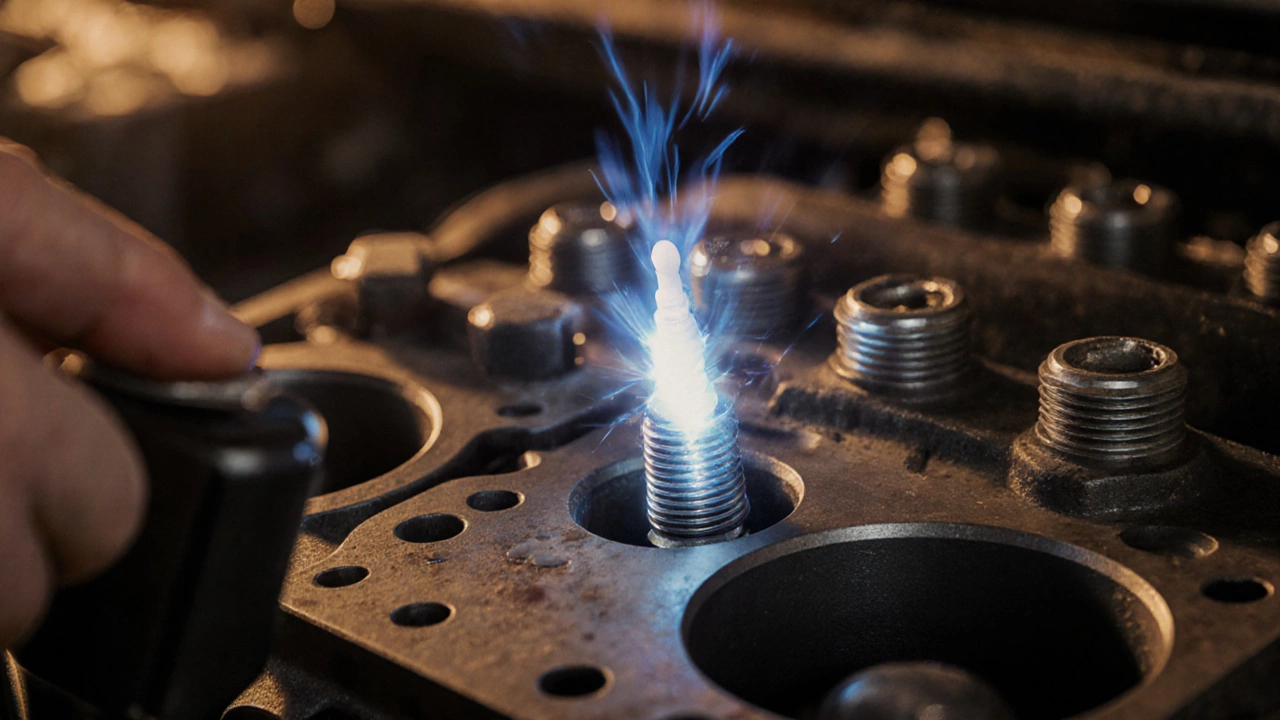
Do Spark Plugs Do More Than Just Help Start Your Car?
Learn why spark plugs do more than just start the engine, how they affect performance, signs of wear, and step‑by‑step replacement tips.

Spark Plugs Changed—Why Is My Car Running Worse?
Sometimes, after swapping out spark plugs, drivers notice their car actually runs worse instead of better. This article breaks down why that happens, what mistakes people make, and how to fix common spark plug problems. You'll learn how to spot installation issues, pick the right parts, and avoid easy-to-make errors. Simple checks and tips can help make sure your car runs smoother after a spark plug change. No more guessing—get real answers.