New Clutch Problems: Signs, Causes, and What to Do Next
When your clutch, the component that connects your engine to the transmission in manual cars. Also known as friction disc, it's designed to last tens of thousands of miles—but when it starts failing early, it’s usually not bad luck, it’s a symptom of something else. If you’re dealing with new clutch problems, you’re not alone. Many drivers replace their clutch before 50,000 miles, often because they missed the early warning signs—or kept driving anyway.
Clutch failure rarely happens out of nowhere. It’s usually the result of habits you didn’t think mattered. Riding the clutch pedal while waiting at lights, shifting too fast without fully letting off the gas, or towing heavy loads without the right setup all wear it down faster than normal. The clutch disc, the friction surface that grips the flywheel to transfer power wears thin, the pressure plate, the spring-loaded part that presses the disc against the flywheel loses tension, and the release bearing, the part that disengages the clutch when you press the pedal starts grinding. These aren’t random failures—they’re predictable outcomes of how you drive.
Here’s what you’ll notice before it’s too late: the pedal feels spongy or goes all the way to the floor, you smell burning when you shift, the engine revs higher but the car doesn’t speed up, or you hear a grinding noise when you change gears. These aren’t just "annoyances." They’re red flags that the clutch is slipping, overheating, or already damaged. Ignoring them doesn’t save money—it turns a $600 repair into a $2,000 transmission disaster.
What makes new clutch problems worse is that people assume "new" means "long-lasting." But a clutch installed last year can fail if it was the wrong part, poorly installed, or if your driving style is aggressive. Even the best clutch kit won’t last if your flywheel is warped or your hydraulic system is leaking. That’s why fixing the root cause matters more than just swapping parts.
Below, you’ll find real-world guides from drivers who’ve been there—how to spot clutch wear before it leaves you stranded, what tools you actually need to replace it, why some "budget" clutch kits fail faster than others, and how to avoid the most common installation mistakes. Whether you’re doing it yourself or taking it to a shop, this collection gives you the facts you need to fix it right the first time.
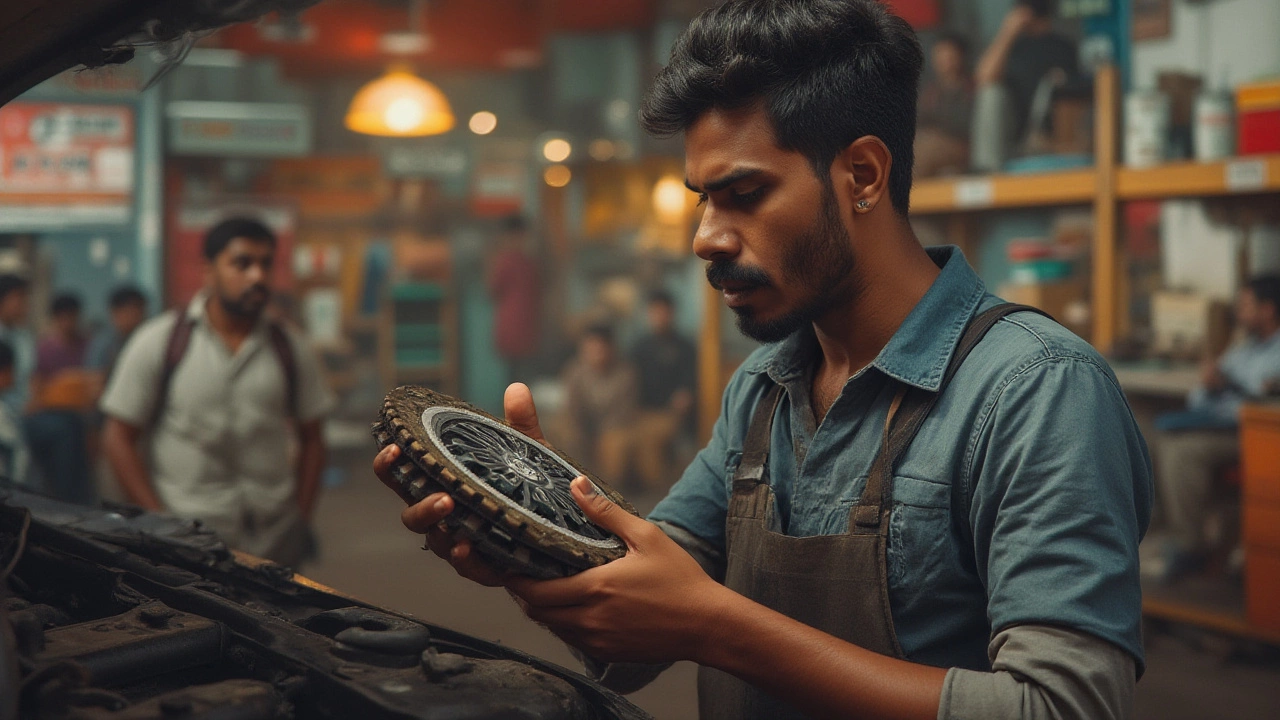
Brand New Clutch Slipping: Causes, Fixes, and Prevention for Drivers
Your clutch is new, but it’s still slipping? Discover why this happens, key warning signs, real-world causes, and practical fixes you can trust.