Oil Check: How to Do It Right and Avoid Engine Damage
When you do an oil check, the simple act of inspecting your engine’s lubricant level and condition. Also known as checking engine oil, it’s one of the most important things you can do for your car—no tools, no garage, just a few minutes. Skipping this step is like ignoring a warning light on your dashboard. It doesn’t mean you’re broken yet, but you’re one bad day away from a $3,000 repair.
The engine oil, the liquid that keeps your engine’s moving parts from grinding together wears out over time. It doesn’t just disappear—it breaks down, gets dirty, and loses its ability to protect. That’s why you need to check it regularly. Most cars need an oil check every time you fill up with gas, or at least once a month. If your oil looks black and gritty, smells burnt, or is below the minimum mark on the dipstick, you’re running on borrowed time.
Don’t confuse oil level, how much oil is in the engine with oil viscosity, how thick or thin the oil flows at different temperatures. Your car needs the right viscosity—like 5W-30 or 10W-40—written in your owner’s manual. Using the wrong one can hurt fuel economy, cause overheating, or even lead to engine seizure. And no, “all synthetic” doesn’t mean “all good.” If your car needs conventional oil, synthetic won’t fix a bad seal or worn rings.
You don’t need a mechanic to do this. Just park on level ground, turn off the engine, wait five minutes, pull the dipstick, wipe it clean, reinsert it, then pull it out again. Look for the oil between the two marks. If it’s low, add a little at a time. If it’s dirty or has metal flakes, it’s time for a change. A bad oil check doesn’t just mean you’re low on fluid—it means you’re ignoring the health of your entire engine.
What you find under the hood tells you more than just oil condition. Low oil often means a leak. Thick, sludgy oil means you haven’t changed it in years. Milky oil? That’s coolant mixing in—serious trouble. These aren’t guesses. These are the same signs the posts below talk about when they explain why a car overheats, why spark plugs misfire, or why a fuel pump fails. Everything connects. And the first thing you should check before anything else is your oil.
Below, you’ll find real stories from people who ignored the oil check—and what it cost them. You’ll also find clear guides on how to pick the right oil, how often to change it, and how to spot trouble before it leaves you stranded. No fluff. Just what you need to know to keep your car running, and keep your wallet full.
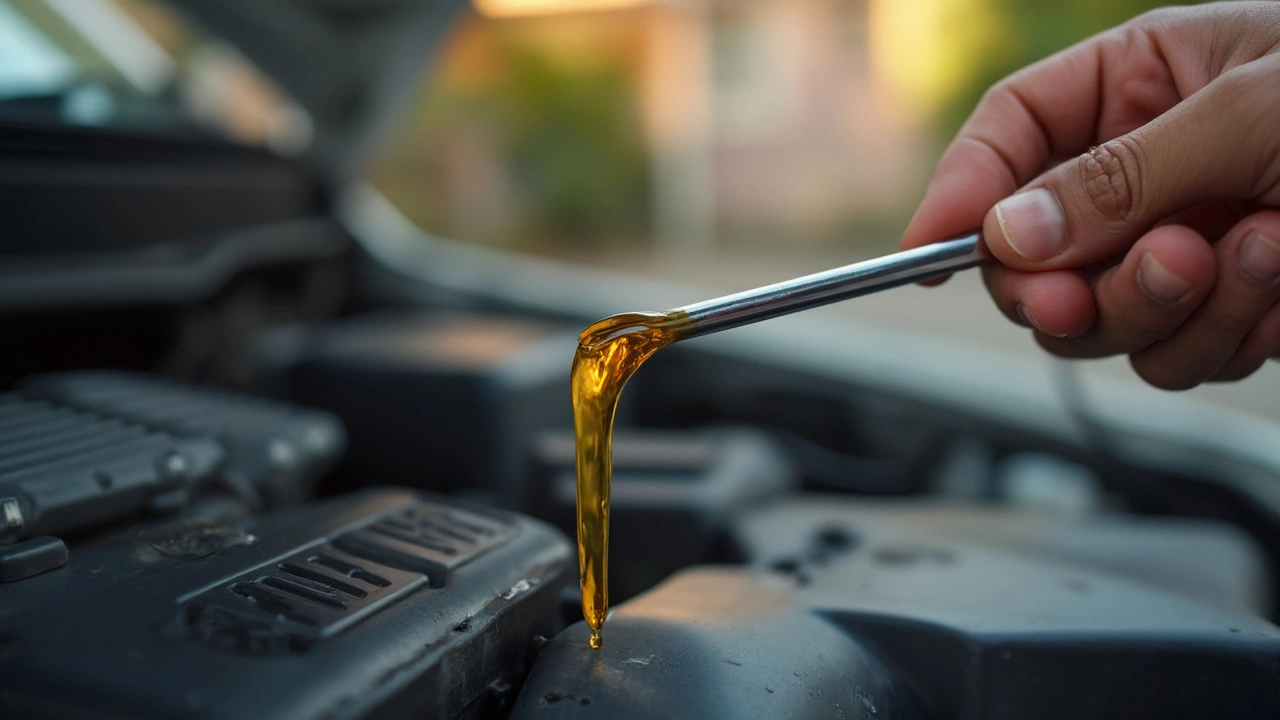
What Color Should Oil Be on a Dipstick? A Quick Guide for Drivers
Engine oil color on your dipstick tells you a lot about your car's health. This guide breaks down what those shades really mean, from golden new oil to dark, used fluid. You'll learn why oil changes color, when you should actually worry, and how to easily check your oil at home. Tips for spotting potential engine issues just by looking at the dipstick make this a must-read for anyone who drives. No jargon—just clear, practical advice.