Performance Exhaust: What It Does, How It Works, and What You Really Need to Know
When you hear the deep rumble of a car with a performance exhaust, a modified exhaust system designed to reduce backpressure and improve engine flow. Also known as aftermarket exhaust, it’s not just about sound—it’s about how your engine breathes. Most factory exhausts are built to mute noise and meet emissions rules, not to help your engine work better. A true performance exhaust changes that. It lets exhaust gases escape faster, which lets fresh air and fuel enter more efficiently. That’s how you gain horsepower—without adding a turbo or supercharger.
The muffler, a component that reduces engine noise. Also known as silencer, it’s often misunderstood. A lot of people think louder means faster, but that’s not always true. A good performance muffler doesn’t just remove sound—it’s tuned to let gas flow smoothly. Some designs actually improve fuel efficiency by reducing the engine’s effort to push exhaust out. And no, a broken muffler doesn’t help—it just makes your car noisy and illegal. Then there’s the exhaust system, the full path exhaust gases take from engine to tailpipe. Also known as exhaust manifold to tailpipe, it includes pipes, catalytic converters, resonators, and the muffler. Upgrading just one part won’t do much. The whole system needs to work together. If you replace the muffler but leave the stock pipes, you’re just spending money on a louder rumble.
People buy performance exhausts for different reasons. Some want more power for highway passing or track days. Others care about the sound—deep, smooth, not raspy. A few even want better fuel economy, which is possible if the system reduces backpressure without adding weight. But here’s the catch: if your car is older or has other issues—a bad fuel pump, worn spark plugs, or a failing radiator—no exhaust upgrade will fix that. It only works when the rest of the engine is healthy.
What you’ll find below are real, no-fluff guides on what actually changes when you upgrade your exhaust. From how a bad muffler kills gas mileage to what noises mean your system is failing, these posts cut through the myths. You’ll learn what to look for, what to avoid, and what’s worth the money—based on real fixes, real costs, and real results.
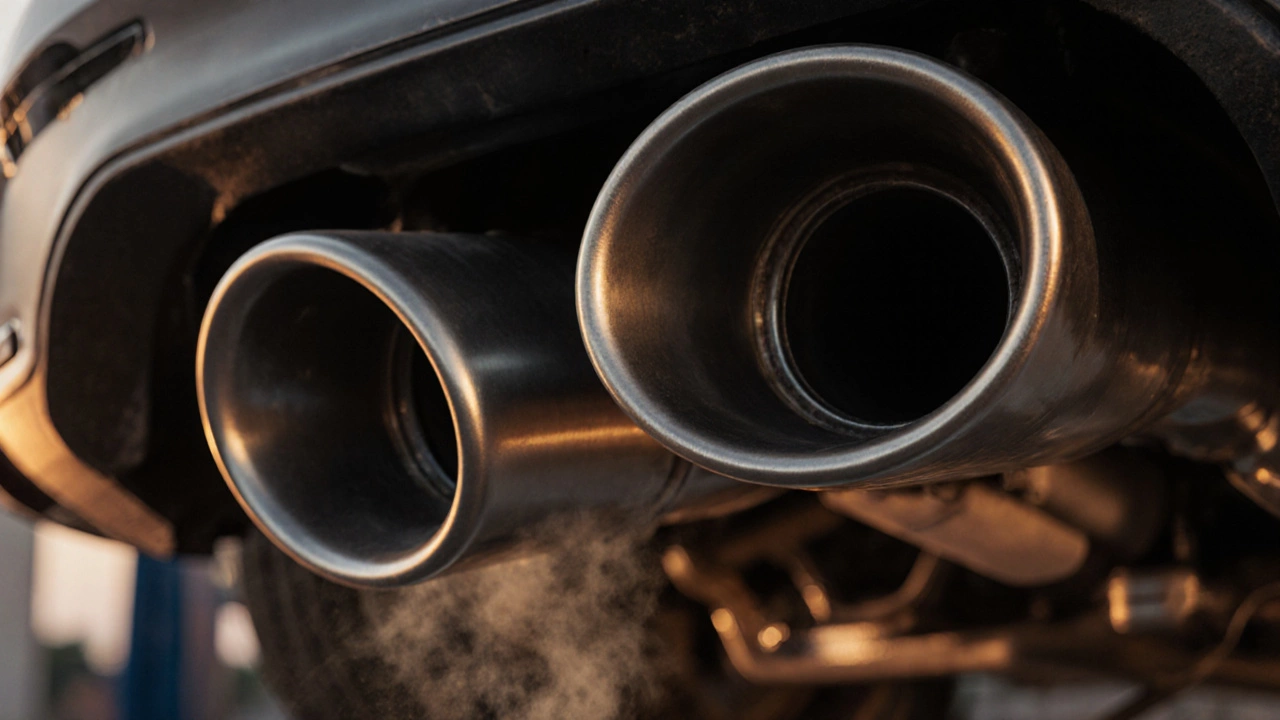
4‑inch vs 5‑inch exhaust: which size is best?
Learn the pros and cons of 4‑inch vs 5‑inch exhaust pipes, how size affects flow, power, and fitment, and get a clear checklist to choose the right diameter for your car.
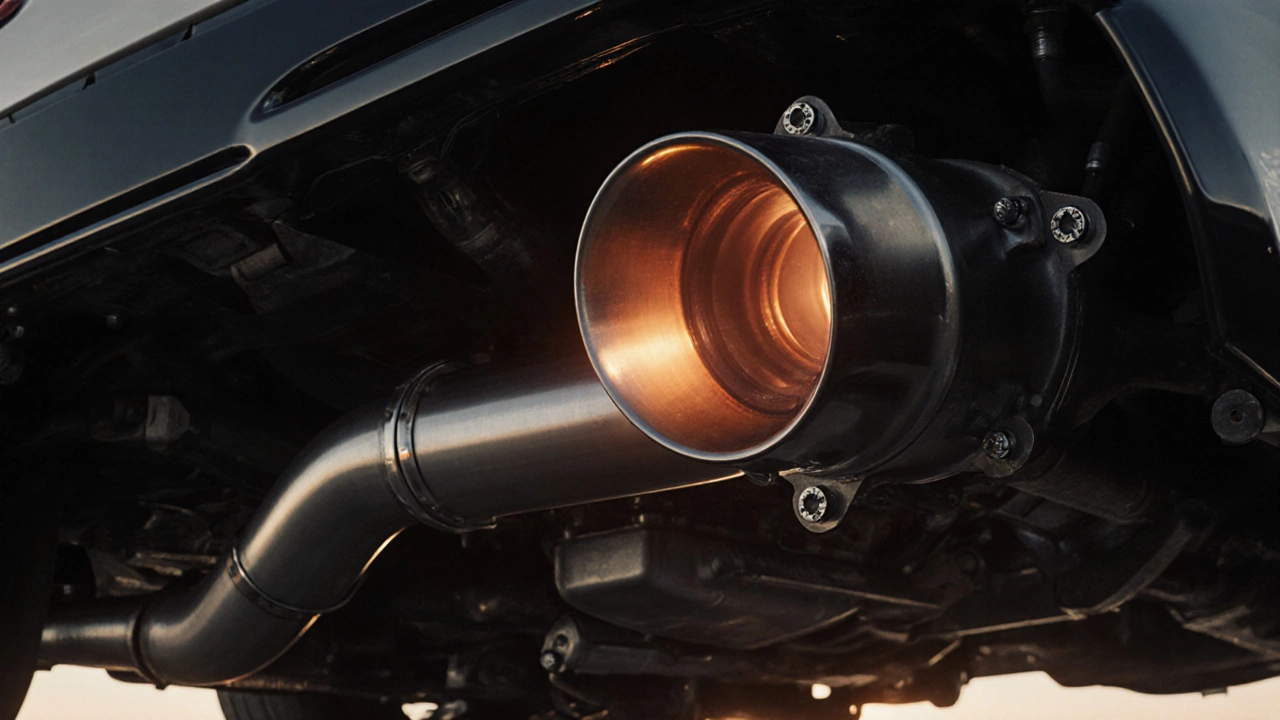
Which Exhaust System Adds the Most Horsepower?
Discover which exhaust upgrades add the most horsepower, compare cat‑back, turbo‑back, headers, and more, and learn how to choose, install, and tune for max gains.

Exhaust Tips That Sound the Best: Real-World Picks and Surprises
Exhaust tips do more than just change the look of your car—they can tweak the sound too. On the hunt for the best-sounding exhaust tips? This article breaks down different types, explains how shape and material matter, and shares tips to get that perfect growl or rumble. Discover common myths around exhaust tips, and get practical advice for boosting your car’s sound without wasting money. Every car and ear is different, but we’ll point you in the right direction.