Radiator Problems: Signs, Causes, and How to Fix Them Before It's Too Late
When your car starts radiator problems, it’s not just a minor inconvenience—it’s a warning your engine is one step away from serious damage. A radiator is a cooling system, the component responsible for keeping your engine at a safe operating temperature by circulating coolant through the engine and dissipating heat. Also known as a engine radiator, it’s one of the most critical parts you’ll never notice… until it fails. Without it working right, your engine overheats, warps, or even seizes. And that’s not a cheap fix.
Radiator problems usually start small. You might see coolant loss, a slow drop in fluid level that’s often mistaken for normal evaporation. Also known as antifreeze leak, it’s often caused by a cracked hose, a worn seal, or a tiny crack in the radiator itself. Or maybe your temperature gauge spikes, or you smell sweet, syrupy steam under the hood. That’s not your air freshener—it’s overheating engine, a direct result of the radiator not pulling heat away fast enough. Also known as engine thermal stress, this is what turns a $200 repair into a $2,000 engine rebuild. Sludge in the coolant? That’s rust and debris clogging the radiator’s internal passages. A puddle under your car after parking? That’s not oil—it’s coolant, and it’s screaming for attention.
Most people wait until the car won’t start or steam is pouring from the hood. By then, it’s too late. The truth? Radiator problems give you plenty of early signals if you know what to look for. You don’t need to be a mechanic to spot them. Check your coolant level weekly. Look for stains or wet spots near the radiator. Smell for that sweet odor. Watch the temperature gauge like a hawk. These aren’t just tips—they’re survival steps.
Below, you’ll find real, tested guides on how to tell if your radiator is failing, whether replacing it is worth the cost, and how to avoid getting ripped off on repairs. No fluff. No theory. Just what actually works when your car is running hot and you need answers fast.
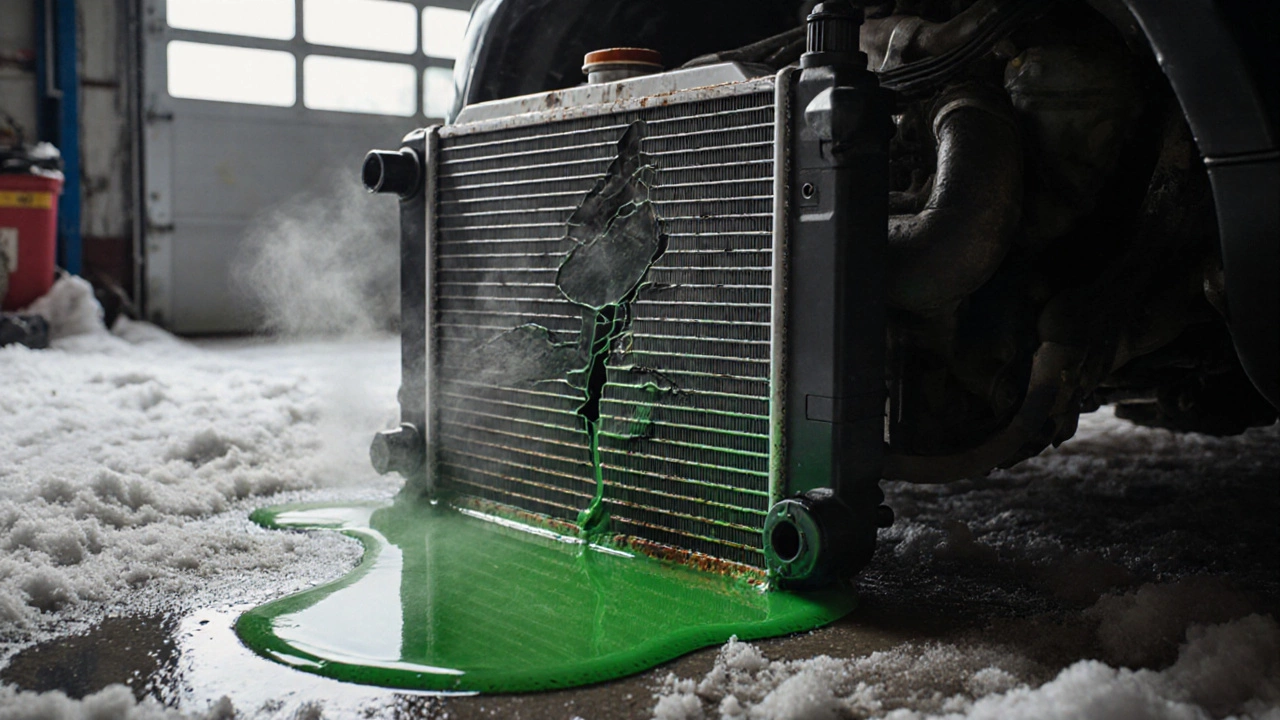
How Do I Know If My Radiator Is Bad? 7 Clear Signs to Watch For
Learn the 7 clear signs your radiator is failing-from coolant leaks to engine overheating-and what to do before it leaves you stranded. Save money and avoid engine damage.

Can I Drive My Car with a Bad Radiator?
Driving with a bad radiator isn't just risky—it's flirting with disaster. The radiator's essential in keeping your engine cool; without it, things can quickly heat up, causing costly damage. Understanding the signs of a failing radiator and knowing when to pull over could save your car—and your wallet. Grab some easy tips here to keep your ride running smoothly.

Why Do Car Radiators Fail?
Car radiators are essential in keeping our engines from overheating, but they aren't infallible. Busted hoses, leaks, and corrosion often lead to radiator failure. Maintaining your car radiator involves understanding why they fail, recognizing warning signs, and taking preventive measures. Discover practical tips and facts about keeping your car radiator in top form.