Rear Brakes: What You Need to Know for Safety and Performance
When your car stops, the rear brakes, the braking system located at the back wheels that helps slow and stop the vehicle. Also known as back brakes, they work alongside the front brakes to keep you in control—especially during heavy braking or on slippery roads. Most people think the front brakes do all the work, but that’s not true. Rear brakes handle up to 30% of your stopping power, and in some cars, especially rear-wheel-drive models, they do even more. If your rear brakes are worn out, your car won’t stop straight. It might pull to one side, or worse, lock up when you need it most.
The two main parts of a rear brake system, the assembly that includes pads, rotors, calipers, and hardware working together to create friction and slow the wheel are the brake pads, the friction material that presses against the rotor to create stopping force and the brake rotors, the metal discs attached to the wheel hub that the pads clamp down on. Brake pads wear out faster than rotors, but rotors can warp from heat or get scored if you ignore worn pads. You don’t need to replace both every time, but you should always check them together. A squealing noise? That’s the wear indicator talking. A grinding sound? That’s metal on metal—you’re already damaging the rotor.
Brake systems aren’t one-size-fits-all. Some cars use drum brakes in the rear instead of disc brakes, especially on older or budget models. Drum brakes use shoes that press outward against a drum, and they’re cheaper to make but harder to inspect and less effective in wet conditions. If your car has them, you’ll need different tools and techniques to service them. Either way, rear brakes need regular attention. Most drivers wait until something sounds wrong, but that’s too late. A good rule? Have them checked every 12,000 miles or every year, whichever comes first. If you drive in stop-and-go traffic, mountains, or carry heavy loads, check them more often.
Replacing rear brake pads yourself isn’t hard if you’ve got basic tools and a little patience. You don’t need a lift—just jack stands, a torque wrench, and a C-clamp. The hardest part is often getting the caliper bolts loose. Rust loves brake hardware. If you’re not sure, watch a video for your exact car model. YouTube has step-by-step guides for almost every make and year. And don’t forget to bleed the brakes after replacing pads. Air in the lines means a spongy pedal and longer stopping distances.
What you’ll find below are real, tested guides from people who’ve done it. From how to tell if your rear brakes are failing before they leave you stranded, to how much a full replacement costs, to why some people skip rear brake service and regret it later. No fluff. No upsells. Just clear, honest info that helps you keep your car safe without paying more than you need to.
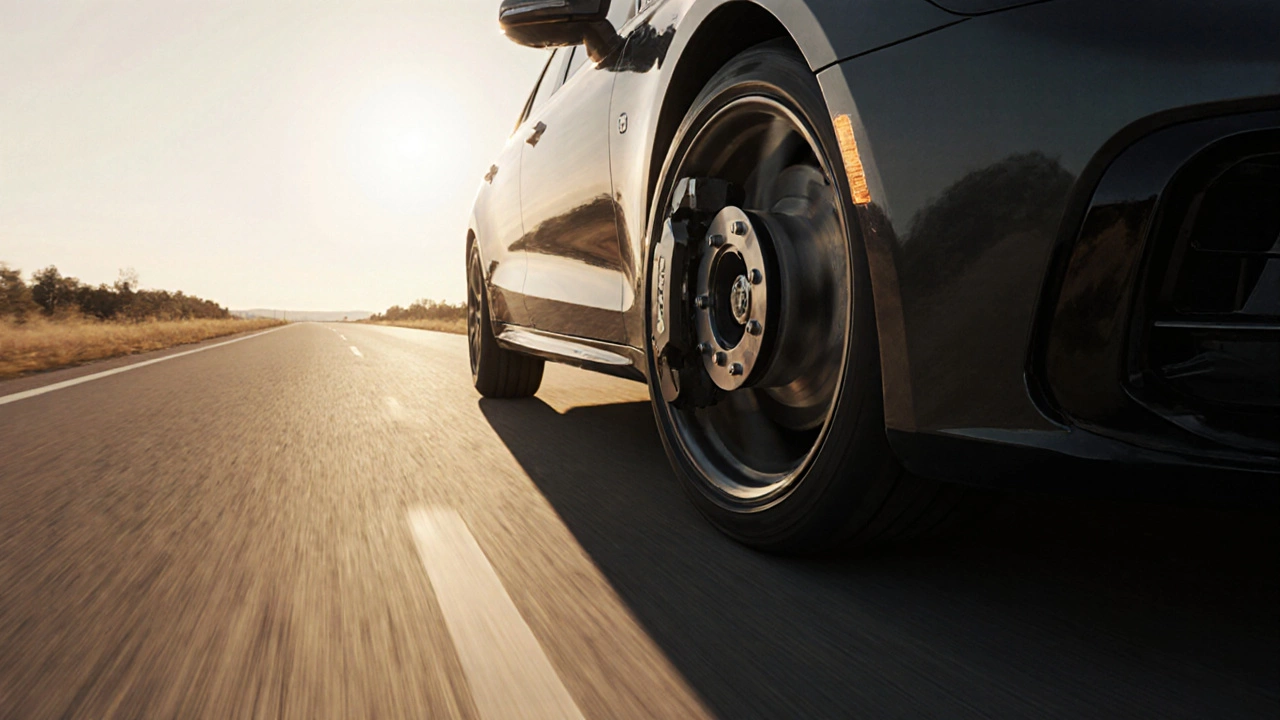
Front vs Rear Brakes: Which Do the Heavy Lifting?
Learn why front brakes usually do most of the stopping work, when rear brakes matter, and how to keep both axles in top shape for safety and performance.