Replace Brakes: When, Why, and How to Do It Right
When you replace brakes, the process of inspecting, repairing, or swapping out brake components to restore stopping power and safety. Also known as brake service, it’s not just about changing pads—it’s about making sure your whole system works under pressure. Most people wait until they hear screeching or feel the car pull to one side, but by then, you might already be damaging rotors, calipers, or even the brake lines. Brakes aren’t a "fix it when it breaks" part—they’re a safety system that wears down slowly, quietly, and dangerously.
Every time you press the pedal, friction between the brake pads, the friction material that clamps down on the rotor to slow the wheel and the rotor, the metal disc attached to the wheel hub that the pads grip wears both down. You don’t need to wait for the warning light. Signs like a soft pedal, vibrations when braking, or a grinding noise mean something’s already damaged. A pad that’s worn thin won’t just stop poorly—it can eat through the rotor in minutes, turning a $150 job into a $600 repair.
DIY brake replacement isn’t scary if you know what you’re doing. You don’t need a garage or fancy tools—just patience, clean parts, and the right brake pads for your car. Some brands offer ceramic pads that last longer and make less dust. Others use semi-metallic for heavy-duty use. The wrong type can squeal, overheat, or wear unevenly. And yes, you should always replace pads in pairs, and check the rotors every time. If they’re grooved or thinner than the manufacturer’s minimum, they need replacing too.
Brake fluid matters too. It absorbs moisture over time, which lowers its boiling point. If your brakes feel spongy after a long drive, it’s not just the pads—it’s fluid that’s gone bad. Flushing the brake fluid every two years is cheap insurance. And don’t forget the calipers. If one is sticking, your brake pad will wear unevenly, and your car will pull to one side. A quick inspection with a flashlight can catch this before it becomes a safety issue.
What you’ll find below isn’t just theory. These are real stories from people who replaced brakes themselves—what worked, what didn’t, and what they wish they’d known before starting. From step-by-step guides to cost breakdowns and common mistakes that cost people hundreds in extra repairs, this collection cuts through the noise. Whether you’re a first-time DIYer or just want to understand what your mechanic is talking about, you’ll find clear, no-fluff advice here. No jargon. No upsells. Just what you need to stop safely and save money.
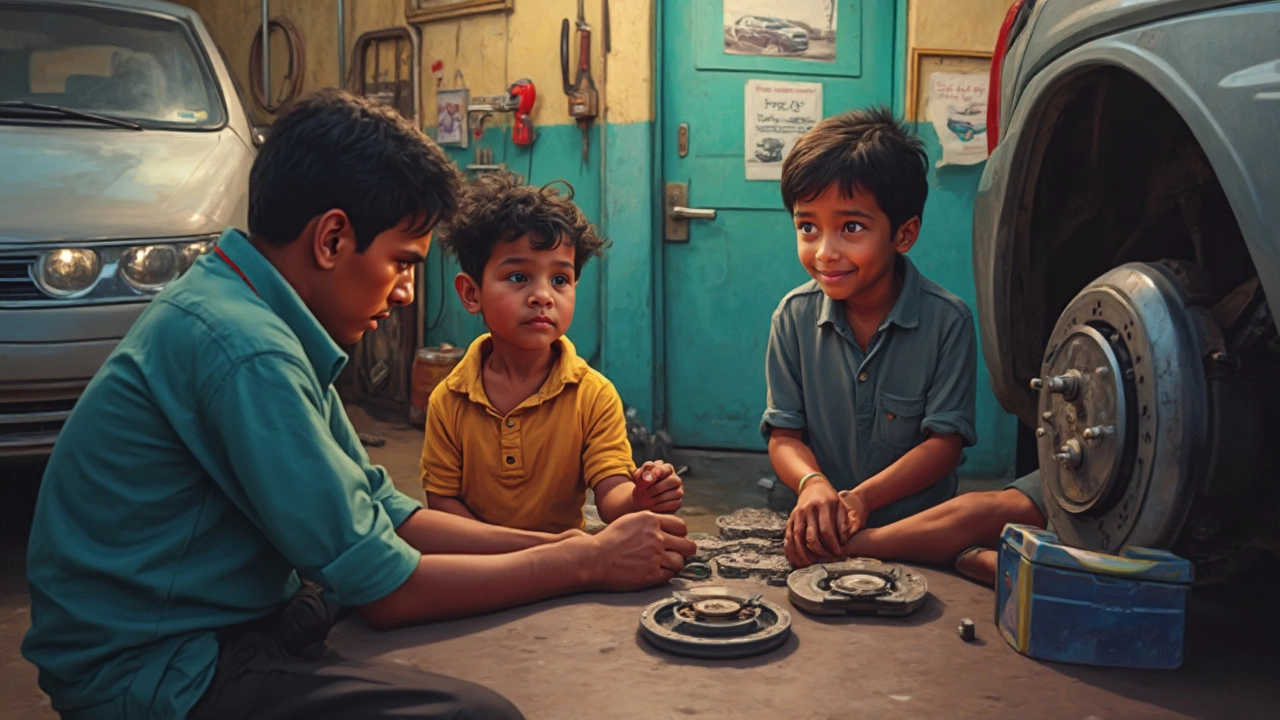
How Often Should Car Brakes Be Replaced? Know When to Change Your Brake Pads
Not sure when your car’s brakes need a swap? This guide breaks down everything you need to know about how often to replace brake pads, what signs to look for, and what can mess with their lifespan. You’ll get tips to keep your brakes in top shape and spot problems before they turn serious. Staying sharp on brake health doesn’t just save cash—it keeps you and your passengers safe. Whether you drive daily or only on weekends, knowing the signs of brake wear will help you plan ahead.