Replace Radiator: Signs, Costs, and What You Need to Know
When you need to replace radiator, a critical part of your car’s cooling system that prevents the engine from overheating. Also known as a cooling radiator, it circulates coolant to keep your engine at the right temperature—no matter how hard you drive. If your radiator fails, your engine can overheat in minutes, leading to expensive damage you definitely don’t want to fix.
Most people don’t realize how often a radiator leak, a common failure point where coolant escapes from cracks, hoses, or seals. Also known as coolant loss, it’s often the first warning sign shows up. You might see puddles under your car, notice the temperature gauge creeping up, or smell sweet steam when you open the hood. A cooling system, the full network of parts that manage engine heat, including hoses, thermostat, water pump, and radiator. Also known as engine cooling, it’s only as strong as its weakest link. If one part fails, others get stressed. That’s why replacing a bad radiator isn’t just about fixing one part—it’s about protecting your whole engine.
How much should you pay? A new radiator can cost anywhere from $200 to $600, depending on your car model. Labor adds another $150 to $300 if you don’t do it yourself. But here’s the catch: if you wait too long, you could be looking at a $2,000 engine repair instead. Most people ignore the small signs—slight overheating, weird smells, or low coolant levels—until it’s too late. Don’t be one of them. Check your coolant regularly. Look for rust or sludge inside the reservoir. Listen for gurgling noises when the engine’s off. These aren’t just inconveniences—they’re red flags.
Some think upgrading to an aluminum radiator will make their car faster. It might help a little in racing setups, but for daily driving? A stock replacement is usually enough. What matters most is matching the right size, fit, and material to your car. Don’t buy the cheapest one you find online—cheap radiators crack faster and leak sooner. Stick with trusted brands that fit your make and model exactly.
Replacing a radiator isn’t the easiest job, but it’s doable if you’re patient. You’ll need to drain the coolant, disconnect hoses, unplug the fan, and remove mounting bolts. It’s messy, but not impossible. Many of the guides below walk you through exactly how to do it without damaging anything else. And if you’re not sure? Get a second opinion before spending money on a new part—sometimes it’s just a bad thermostat or a loose hose causing the problem.
Below, you’ll find real stories from people who’ve been there: the signs they missed, the mistakes they made, and the fixes that actually worked. Whether you’re trying to save money, avoid a breakdown, or just understand your car better, these posts give you the facts—no hype, no fluff, just what you need to know to make the right call when you need to replace radiator.
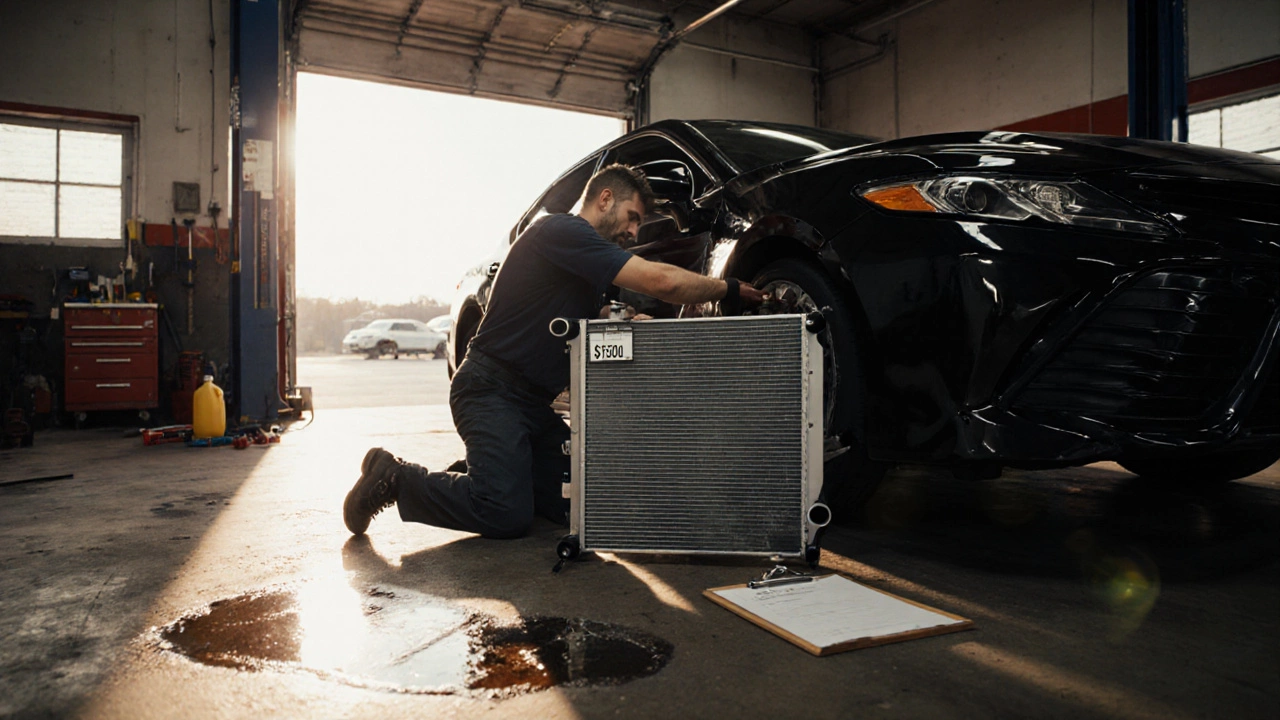
Is It Expensive to Replace a Car Radiator? Real Costs in 2025
Replacing a car radiator costs $600-$1,200 in 2025. Learn what drives the price, how to avoid overpaying, and why skipping this repair can cost thousands more.