Suspension Repair: Fix Shocks, Struts, and Springs for a Smoother Ride
When your car feels bouncy, leans too much in turns, or hits every bump like a drum, it’s not just annoying—it’s a sign your suspension repair, the system that connects your wheels to the car’s frame and absorbs road shocks. Also known as vehicle suspension system, it keeps your tires on the road and your passengers from getting thrown around. Most people ignore it until their car starts driving like a washing machine on spin cycle. But suspension parts don’t last forever. Shocks, struts, and coil springs wear out over time, and skipping repair doesn’t save money—it just makes everything else wear faster.
The real problem? You can’t see most of it. A worn shock absorber, a hydraulic component that controls spring movement and prevents bouncing doesn’t leak oil like a radiator. It just slowly loses its ability to dampen motion. You’ll notice it when your car takes longer to stop, when the front dips hard during braking, or when the tires lose grip on uneven pavement. Same goes for struts, a combined shock and structural support that holds the wheel in place. If they’re broken, your alignment goes off, your tires wear unevenly, and steering gets sloppy. And then there’s the coil spring, the metal coil that carries the weight of the car and lets the wheels move up and down. A sagging spring doesn’t always snap—it just sinks lower, making your car look crooked and ride like a trampoline.
Suspension repair isn’t about making your car faster. It’s about making it safer, more predictable, and less punishing to drive. You don’t need fancy upgrades if you’re not racing. You just need parts that still work. The posts below show you exactly what to look for: how to tell if your shocks are done, what a bad strut sounds like, why replacing springs matters even if they don’t look broken, and how to avoid paying too much for a job that’s often easier than you think. Whether you’re dealing with potholes in the city or gravel roads outside town, fixing your suspension means fewer headaches, better control, and a ride that doesn’t feel like it’s trying to shake you out of your seat.
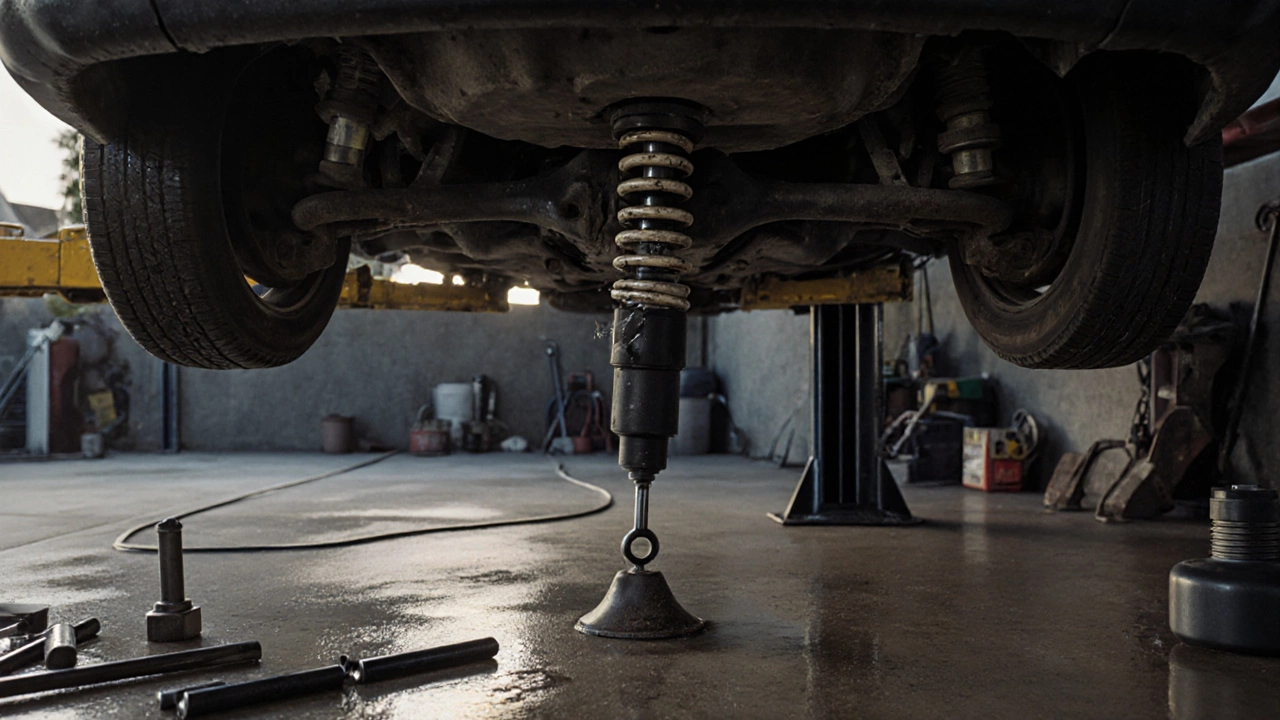
How to Fix a Bad Suspension: Diagnose and Repair Common Issues
Learn how to diagnose and fix a bad suspension with step-by-step guidance on shocks, struts, bushings, and ball joints. Save money and stay safe by addressing wear before it turns dangerous.
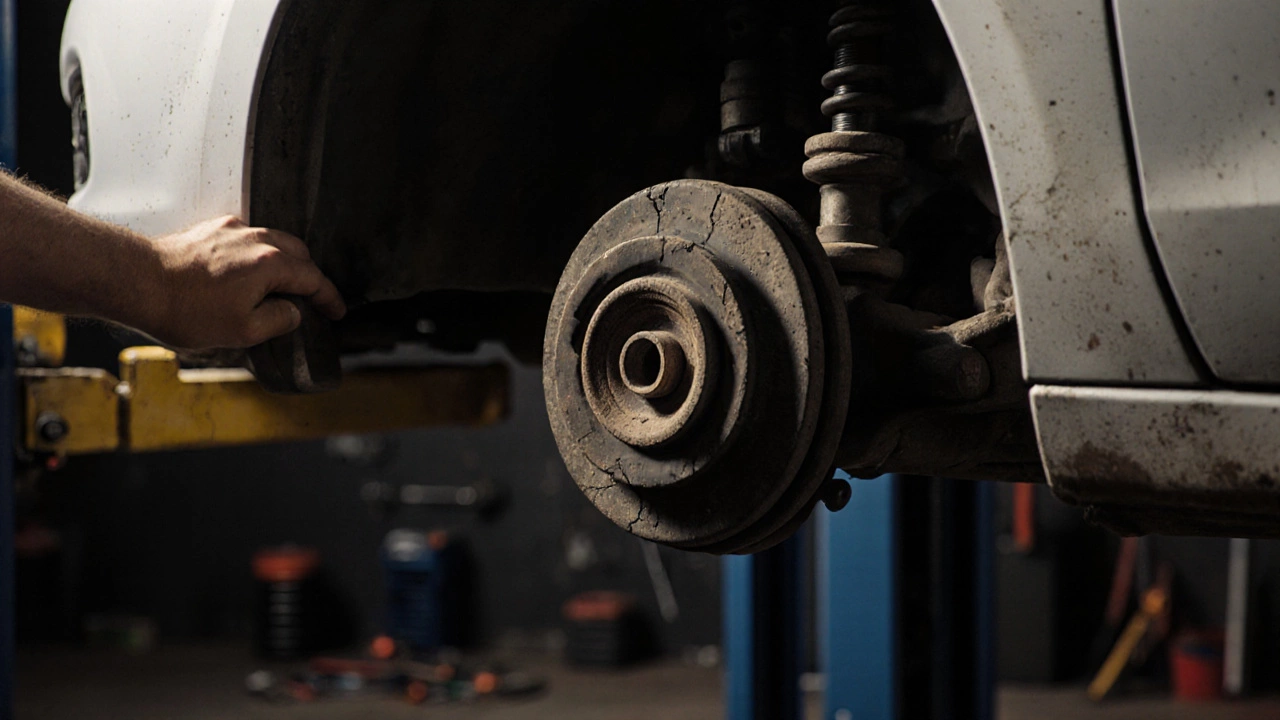
What Does a Bad Suspension System Sound Like? Common Noises and What They Mean
Learn the most common sounds a bad suspension makes-clunks, squeaks, rattles-and what each one means for your car's safety and repair costs. Know when to act before it's too late.