Turbo-Back Exhaust: What It Is, How It Works, and What You Need to Know
When you hear the deep rumble of a tuned car pulling away, chances are it’s got a turbo-back exhaust, a full exhaust system that starts right after the turbocharger and runs all the way to the rear of the car. Also known as a full performance exhaust, it’s not just about sound — it’s about letting your engine breathe better, faster, and louder. Unlike stock systems that restrict flow with tight bends and small pipes, a turbo-back setup removes those bottlenecks. It includes the downpipe, mid-pipe, catalytic converter (if retained), and rear muffler — everything from the turbo outlet to the tailpipe.
This kind of system is common in performance cars, race builds, and even daily drivers looking for a boost. It works by reducing backpressure, which lets exhaust gases exit more freely. Less resistance means the turbo spins up quicker, throttle response improves, and your engine doesn’t have to work as hard to push exhaust out. That’s why many people see gains in horsepower and torque — especially in turbocharged engines. But it’s not magic. The real difference comes from matching pipe diameter, muffler type, and resonator design to your engine’s output. A system too big can hurt low-end torque; one too small won’t help at high RPMs.
It’s also about noise. A turbo-back exhaust doesn’t just make your car louder — it changes the tone. Some systems are tuned for a deep, aggressive growl. Others stay quiet at idle but sing under load. You’ll find posts here that break down what different mufflers do, how catalytic converters affect flow, and whether you need a resonator to tame drone. You’ll also see how this upgrade interacts with other mods — like air intakes or ECU tunes — and why skipping a proper tune can waste the whole investment.
People often confuse turbo-back with cat-back systems. The difference? Cat-back starts after the catalytic converter. Turbo-back includes the downpipe, which is where most of the performance gains happen. That’s why turbo-back kits are more expensive — and more effective. But they’re also more complex to install. Some require welding, others need custom hangers or O2 sensor extensions. That’s why you’ll find guides here on tools you need, safety steps, and whether you can do it yourself or should leave it to a shop.
And let’s not forget emissions. In some places, removing the catalytic converter is illegal. But you can still get a high-flow cat that keeps you legal while improving flow. We’ve got posts that walk you through what’s allowed, what’s not, and how to pass inspections even with a modified system.
Whether you’re chasing more power, a better sound, or just tired of your stock exhaust sounding like a lawnmower, the turbo-back exhaust is one of the most impactful upgrades you can make. Below, you’ll find real-world tests, cost breakdowns, installation tips, and answers to the questions most people don’t ask — like whether it actually improves fuel economy, or if it’s just noise for the sake of noise.
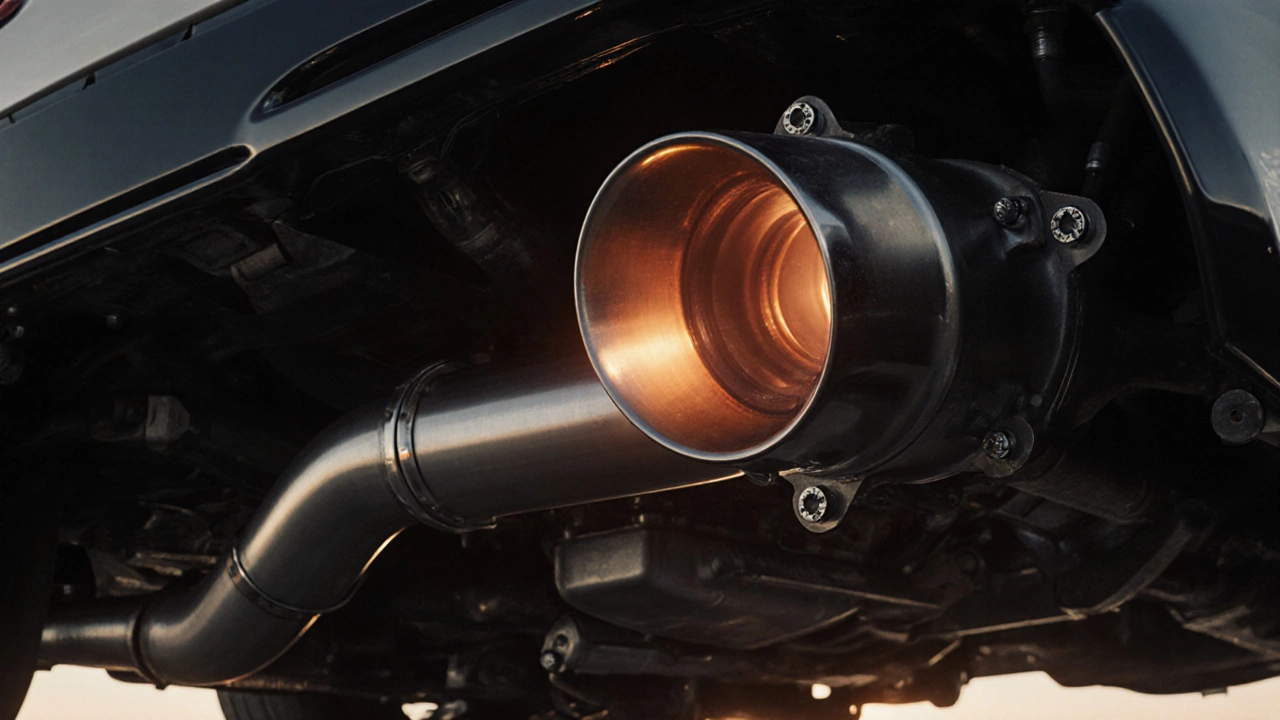
Which Exhaust System Adds the Most Horsepower?
Discover which exhaust upgrades add the most horsepower, compare cat‑back, turbo‑back, headers, and more, and learn how to choose, install, and tune for max gains.