Vehicle Maintenance: Essential Tips and Common Fixes for Every Car Owner
When it comes to keeping your car running, vehicle maintenance, the routine care that prevents breakdowns and extends your car’s life. Also known as car upkeep, it’s not about fancy tools or expensive visits—it’s about knowing what to check, when to replace it, and how to spot trouble before it leaves you stranded. Most people think maintenance means oil changes and tire rotations, but real vehicle maintenance starts with understanding the big systems that keep your car alive: the radiator, the part that stops your engine from overheating by circulating coolant. Also known as cooling system, it’s one of the most ignored yet critical components. A bad radiator doesn’t always leak—it can clog with sludge, crack internally, or just stop flowing. If your car overheats after a short drive, or you see green or rusty fluid under it, that’s not normal. It’s a warning.
Then there’s the fuel pump, the silent hero that pushes gas from your tank to the engine. Also known as fuel delivery system, it doesn’t come with a warning light until it’s already dead. You won’t hear it fail until your car won’t start. But before that, you might notice hesitation on acceleration, a sputtering engine, or that weird whining noise from the back seat. Replacing it yourself isn’t hard if you know the steps—and yes, you should disconnect the battery first. Safety isn’t optional.
And don’t forget the suspension system, the set of parts that smooth out bumps and keep your tires on the road. Also known as shock and strut system, it’s what keeps your car from feeling like a bucking bronco on rough roads. Worn shocks make your car bounce, cause uneven tire wear, and turn quick turns into scary moments. You’ll hear it first—clunks when you hit a pothole, squeaks when you turn, rattles over speed bumps. These aren’t just annoying sounds. They’re signs your control is slipping.
Vehicle maintenance isn’t a checklist you finish once a year. It’s a habit. It’s checking your brake pads before they grind metal on metal. It’s replacing windshield wipers before rain turns visibility into a blur. It’s knowing that a clutch that lasts 100,000 miles isn’t guaranteed—it’s earned by how you drive. And it’s realizing that a $500 radiator replacement now saves you a $5,000 engine repair later.
What you’ll find below isn’t theory. It’s real fixes from real people who’ve been there: the guy who replaced his own fuel pump and saved $600, the driver who spotted radiator failure by the smell of burnt coolant, the weekend mechanic who fixed suspension noise with a $20 part. These aren’t magic tricks. They’re simple, practical steps anyone can follow. Whether you drive a daily commuter or a weekend racer, the rules of vehicle maintenance stay the same: watch, listen, act early.

Can You Drive with a Burnt Clutch? Essential Things to Consider
If you've ever wondered what happens when your vehicle's clutch burns out, you're not alone. A burnt clutch can pose significant dangers, affecting both your vehicle's performance and safety on the road. This article explores the risks of driving with a burnt clutch and offers practical advice on handling such situations. Discover essential tips for maintaining your clutch to prevent costly repairs and ensure a smooth driving experience. Drive safely and keep your ride in top shape by learning how to recognize and address clutch issues early.

Can a Fuel Pump Fail Suddenly While Driving?
Fuel pumps are crucial for vehicle operation, but can they fail suddenly while driving? This article explores the reasons behind unexpected fuel pump failures, signs that precede such issues, and practical tips to prevent being stranded. Understanding how to recognize the warning signs and maintaining your fuel system can ensure a safer driving experience. Tips on what actions to take if your fuel pump gives out mid-journey are also covered.

Recognizing When Brake Pads Need Replacement: Essential Tips and Signs
Knowing when to change your brake pads is crucial for maintaining vehicle safety and performance. Look for warning signs including unusual noises, decreased responsiveness, and visual wear on the pads. Staying proactive with brake maintenance not only ensures safety but also extends the life of your vehicle. Understanding the lifespan and wear indicators of brake pads can help prevent costly repairs and dangerous driving conditions. Regular inspections by a professional can help catch issues early and maintain peace of mind on the road.
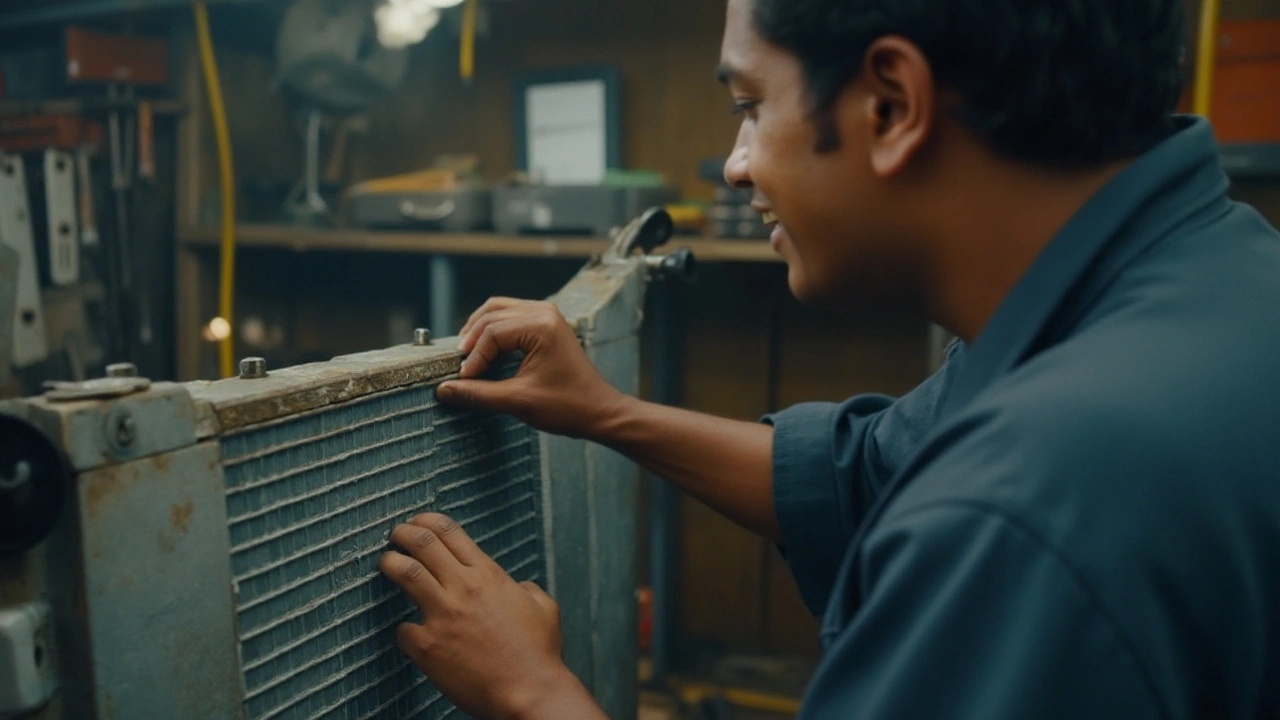
Can a Car Operate Safely with a Damaged Radiator?
A car's radiator plays an essential role in regulating engine temperature by ensuring the cooling system operates efficiently. While you might be tempted to drive with a malfunctioning radiator, it could lead to serious consequences including engine overheating and costly repairs. This article explores the risks associated with a failing radiator, tells you how to identify problems early, and provides useful tips for managing and maintaining your vehicle’s cooling system effectively.

Boost Your Ride: Do New Spark Plugs Enhance Acceleration?
Swapping out old spark plugs for new ones could potentially improve your vehicle's acceleration. Spark plugs are critical for engine performance, as they ignite the air-fuel mixture in the engine cylinders. Upgrading to newer, more efficient designs or materials may lead to better combustion and a smoother ride. This article explores how new spark plugs might enhance your car's performance and what factors to consider when making this change.