Vehicle Safety: Essential Car Parts That Keep You Protected on the Road
When we talk about vehicle safety, the collective systems and components that protect drivers and passengers during normal operation and emergencies. Also known as automotive safety, it's not just about seatbelts or airbags—it's about the quiet, everyday parts that prevent disasters before they happen. A broken brake pad, the friction material that slows your car when you press the pedal can turn a simple stop into a collision. A failing suspension, the system that keeps tires in contact with the road and absorbs bumps makes steering unpredictable, especially in rain or on uneven pavement. And if your radiator, the component that keeps your engine from overheating by circulating coolant leaks or clogs, your engine can seize while you're driving at highway speed. These aren't optional upgrades—they're the backbone of staying alive behind the wheel.
Most people think vehicle safety means buying a car with high crash test ratings. But what good is a five-star rating if your brakes are worn thin or your coolant is low? The real safety comes from maintenance. A bad fuel pump, the device that delivers gasoline from the tank to the engine doesn’t just leave you stranded—it can cause sudden loss of power while merging onto a highway. The noises your suspension makes—clunks, squeaks, rattles—are your car screaming for help. Ignoring them doesn’t save money; it just delays the crash. And windshield wipers? They’re not just for visibility in rain. In snow, fog, or dust storms, clear vision is the difference between stopping in time and hitting something you didn’t see.
What you’ll find below isn’t a list of fancy gadgets or performance upgrades. It’s a practical guide to the parts that keep your car from turning into a hazard. From how to spot a failing radiator before it overheats, to knowing when your brake pads are dangerously thin, to understanding why replacing a worn suspension isn’t a luxury—it’s a necessity. These aren’t theoretical tips. They’re real fixes real people have used to avoid accidents, breakdowns, and expensive repairs. You don’t need to be a mechanic to understand this. You just need to know what to look for, and when to act.
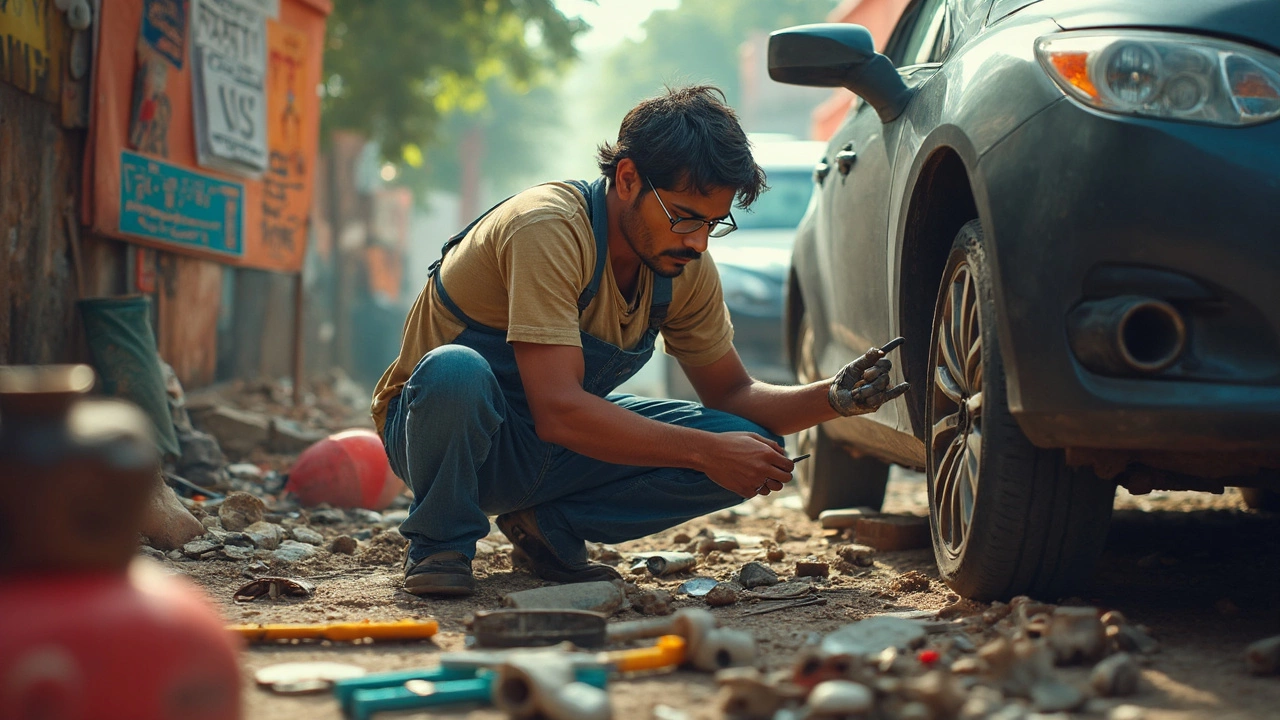
How Long Do New Brake Pads Really Last?
Understanding how long new brake pads last is essential for every driver. This article explores the factors influencing their lifespan, tips on recognizing wear and tear, and advice on how to make them last longer. Whether you’re a seasoned driver or a newbie, keeping your brake pads in check is crucial for safety. Dive into practical tips and facts that could extend the life of your brake pads significantly.

Signs Your Suspension Shocks Might Be Wearing Out
Knowing when your suspension shocks are going bad can save you from unexpected bumps and costly repairs. This article highlights key signs of failing shocks, including unusual noises, uneven tire wear, and more. You'll find practical tips to identify these issues and understand why they matter for your car's performance. Learn how to keep your ride smooth and safe by catching these problems early.

When to Replace Your Brake Pads: The Clear Signs
Recognizing the signs of worn-out brake pads is crucial for your safety and your car's health. If you're hearing unusual squealing or feeling vibrations, it might just be time. Regularly checking your brake pads can save you time and money in the long run. Learn key tips on how to spot when those trusty pads are due for a change.