Wrong Wiper Blade: How to Spot and Fix the Wrong Fit for Your Car
When your wrong wiper blade, a windshield wiper that doesn’t match your car’s exact size or mounting type. Also known as incorrect wiper size, it can leave streaks, skip across the glass, or even damage the windshield. isn’t just annoying—it’s dangerous. Imagine driving in heavy rain and your wipers barely clear the glass. That’s not a minor inconvenience. That’s a visibility hazard. Many people buy wiper blades based on price or what looks similar, but even a 1-inch difference in length or a mismatched connector can ruin your view.
A wiper blade, the rubber-and-metal assembly that sweeps water off your windshield isn’t one-size-fits-all. Your car’s make, model, and year determine the exact length, curve, and attachment style. The wiper arm, the metal part that holds the blade and connects to the motor is designed for a specific blade shape. If you force a blade that doesn’t fit, it might not lie flat. That means gaps in your wiping path—dry spots where water pools. Worse, a misfit blade can lift off at high speeds or bend the arm over time.
It’s not just about size. The wiper blade connector, the clip or hook that attaches the blade to the arm comes in over a dozen styles—J-hook, side-pin, bayonet, push-button. If the connector doesn’t click in securely, the blade can fly off while driving. You’ll find this out the hard way when you’re stuck on a highway in a downpour.
Most people don’t check the fit until they see streaks or hear squeaking. But by then, the damage is already happening. A wrong wiper blade doesn’t just smear water—it can scratch your windshield, especially if the frame is bent or the rubber is old. That’s an expensive fix. Replacing the blade is cheap. Replacing the windshield? Not so much.
There’s a simple fix: always check your owner’s manual or use a reliable wiper blade finder tool before buying. Look up your car’s exact specs—don’t guess. Even if two blades look alike, the mounting system might be different. Brands like Bosch, Rain-X, and Michelin make blades for specific models. You don’t need the most expensive one, but you do need the right one.
And don’t ignore the season. Winter blades have a rubber boot to keep snow out. Summer blades are lighter and more flexible. Using the wrong type for the season reduces performance and lifespan. A wrong wiper blade in snow isn’t just ineffective—it’s a liability.
What you’ll find below are real guides from drivers who’ve been there. From how to measure your current blades to how to tell if the problem is the blade or the arm, these posts cut through the noise. No fluff. No marketing hype. Just clear steps to get your wipers working right—so you can see clearly, drive safely, and avoid costly mistakes.
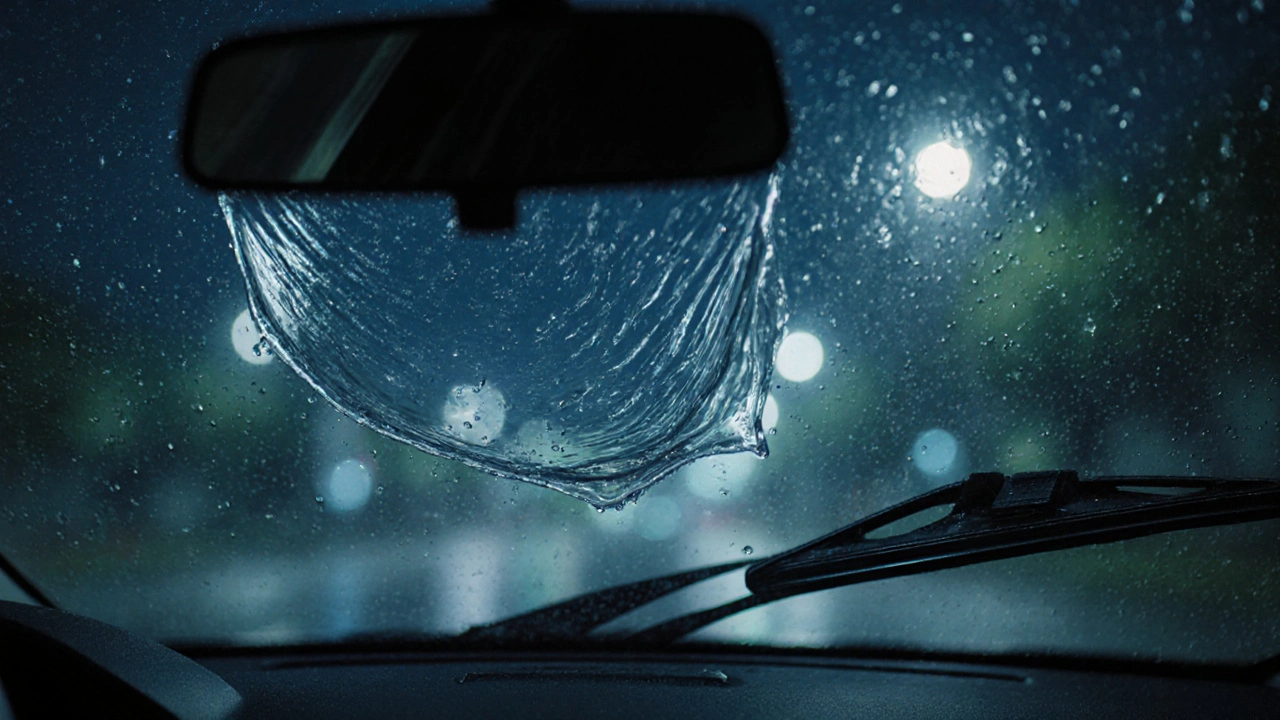
Wrong Wiper Blade Size Risks: Damage, Poor Performance & How to Fix
Learn how the wrong wiper blade size damages performance, causes noise, and can harm your wiper system. Get step‑by‑step sizing tips, installation advice, and a handy comparison table.