 Mar, 10 2026
Air Filter Cost Comparison Tool
Cost Comparison Calculator
Results
Pleated Filter
$60.00/year
($15 every 3 months)
Electrostatic Filter
$78.00/year
($30 upfront + energy costs)
Hidden Costs Alert
Requires monthly cleaning Potential HVAC damageElectrostatic air filters sound like a smart upgrade-self-cleaning, reusable, and supposedly better at trapping dust. But if you’ve been using one and noticed your air feels stuffier, your HVAC system is working harder, or your energy bills are creeping up, you’re not imagining it. These filters come with real downsides that most marketing materials leave out.
They Lose Effectiveness Fast
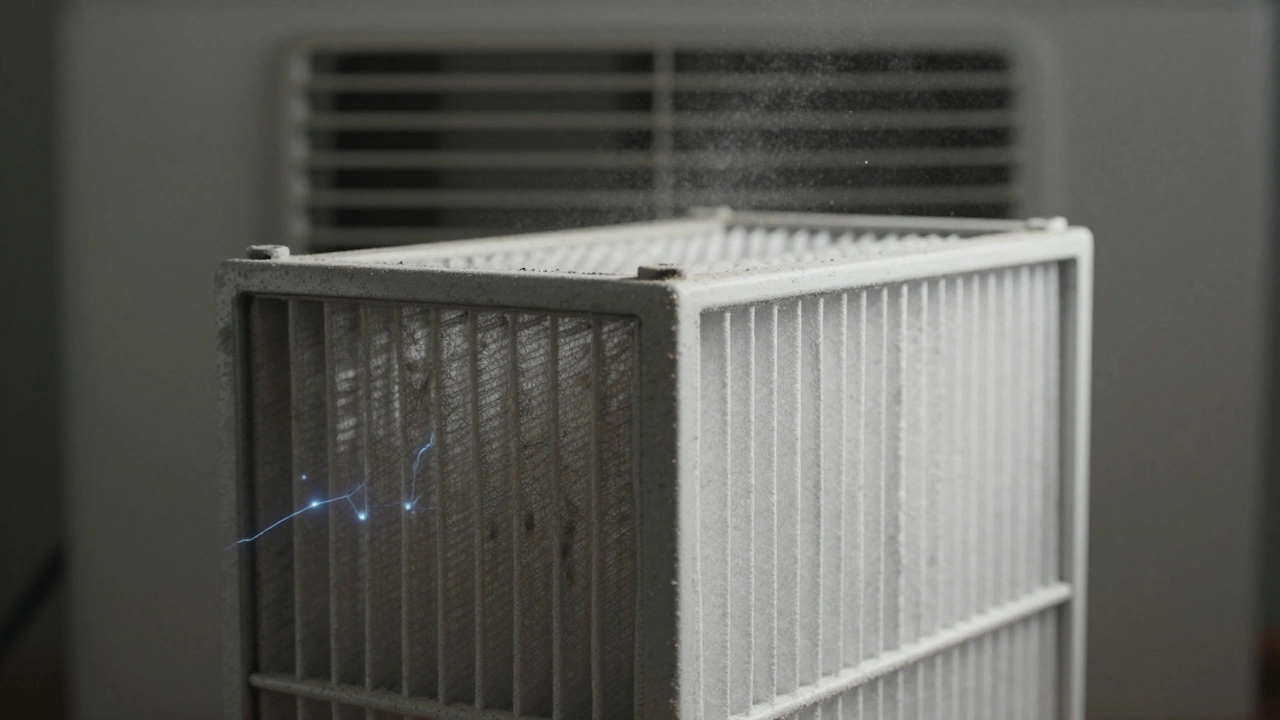
Electrostatic filters work by charging airborne particles so they stick to the filter fibers. Sounds great, right? But here’s the catch: as soon as dust builds up on the filter, the charge weakens. Within just a few weeks, the filtration efficiency can drop by 50% or more. A brand-new electrostatic filter might catch 90% of particles, but after 30 days of normal use, it’s barely better than a basic fiberglass filter. That’s not a feature-it’s a flaw.
Unlike pleated filters with consistent media density, electrostatic filters don’t have a predictable lifespan. You can’t just replace them every 3 months like you should. You have to monitor them constantly. If you forget to clean them monthly, they start letting dust slip through your vents and into your lungs.
They Require Constant Cleaning
Here’s the hidden cost: time. Electrostatic filters aren’t disposable. You have to take them out, rinse them with water, let them dry completely, and put them back. Do it wrong, and you’ll have mold growing in your filter housing. Do it too often, and you’ll be spending an hour every month on filter maintenance.
Most people don’t realize how long drying takes. If you rinse the filter in late afternoon and put it back in before it’s fully dry, moisture gets sucked into your HVAC system. That’s a recipe for mold, mildew, and that weird musty smell that lingers in your home. I’ve seen homes in Hamilton with electrostatic filters that were never fully dried-condensation built up inside ducts, and homeowners blamed the humidifier when it was the filter.
They’re Not Great for Allergens
If you or someone in your house has allergies or asthma, electrostatic filters might make things worse. They’re decent at catching larger particles like dust and lint, but they struggle with pollen, pet dander, and smoke. These particles are too small to be reliably charged and captured. A good pleated filter with a MERV rating of 11 or higher will trap 85% of allergens. A typical electrostatic filter? More like 40-50%.
Studies from the American College of Allergy, Asthma & Immunology show that people with respiratory issues who switched from electrostatic to high-efficiency pleated filters reported fewer symptoms within two weeks. The difference isn’t subtle. It’s measurable.
They Can Restrict Airflow
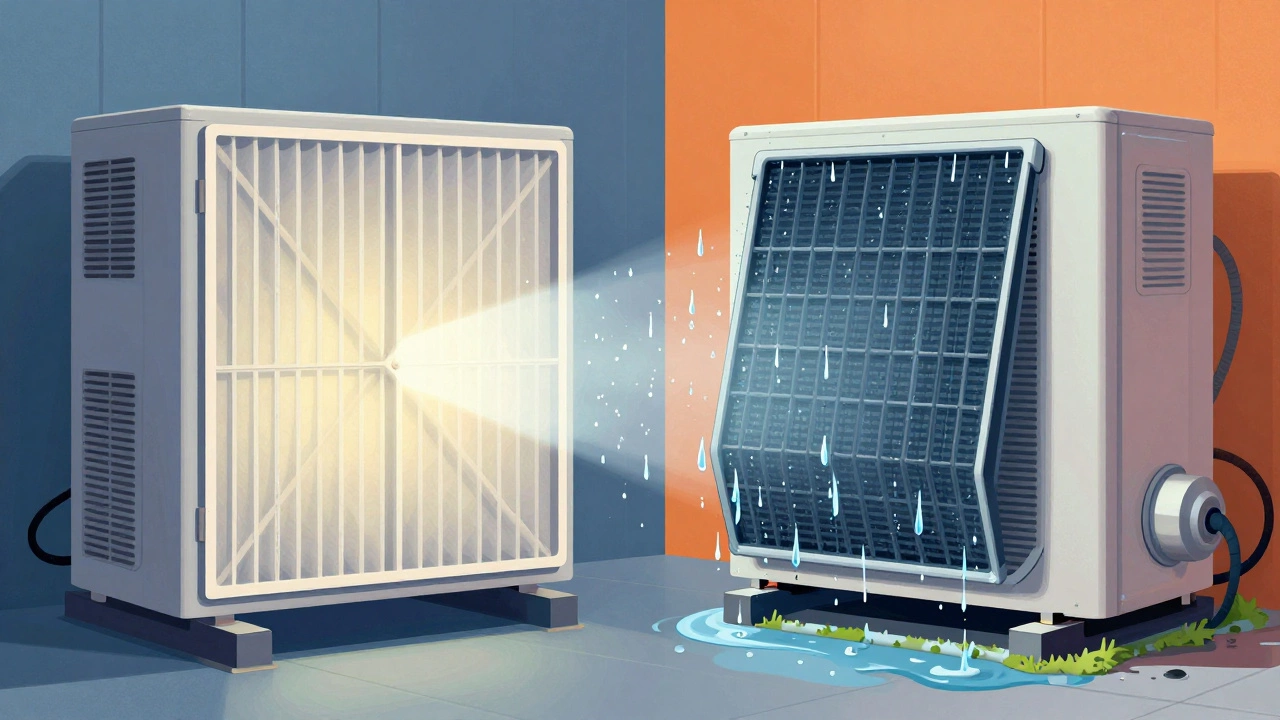
When electrostatic filters get dirty, they don’t just stop working-they start blocking air. That’s a problem because your HVAC system isn’t designed to push air through a clogged filter. The fan has to work harder, which uses more electricity and puts stress on the motor.
In cold climates like Hamilton, that extra strain can shorten the life of your furnace. I’ve seen furnaces fail early because homeowners kept using a dirty electrostatic filter, thinking it was fine as long as it was still “working.” The system was running 30% longer each day just to maintain temperature. That’s not efficiency-that’s a ticking time bomb.
They’re Not Always Cost-Effective
At first glance, electrostatic filters look cheaper. You pay $30 once and use them for years. But let’s do the math. A good pleated MERV 13 filter costs $15 and lasts 3 months. That’s $60 a year. An electrostatic filter might last 5 years, but if you factor in increased energy bills from poor airflow, potential HVAC repairs, and the cost of replacing a damaged unit, you’re easily spending $150-$250 extra over that same period.
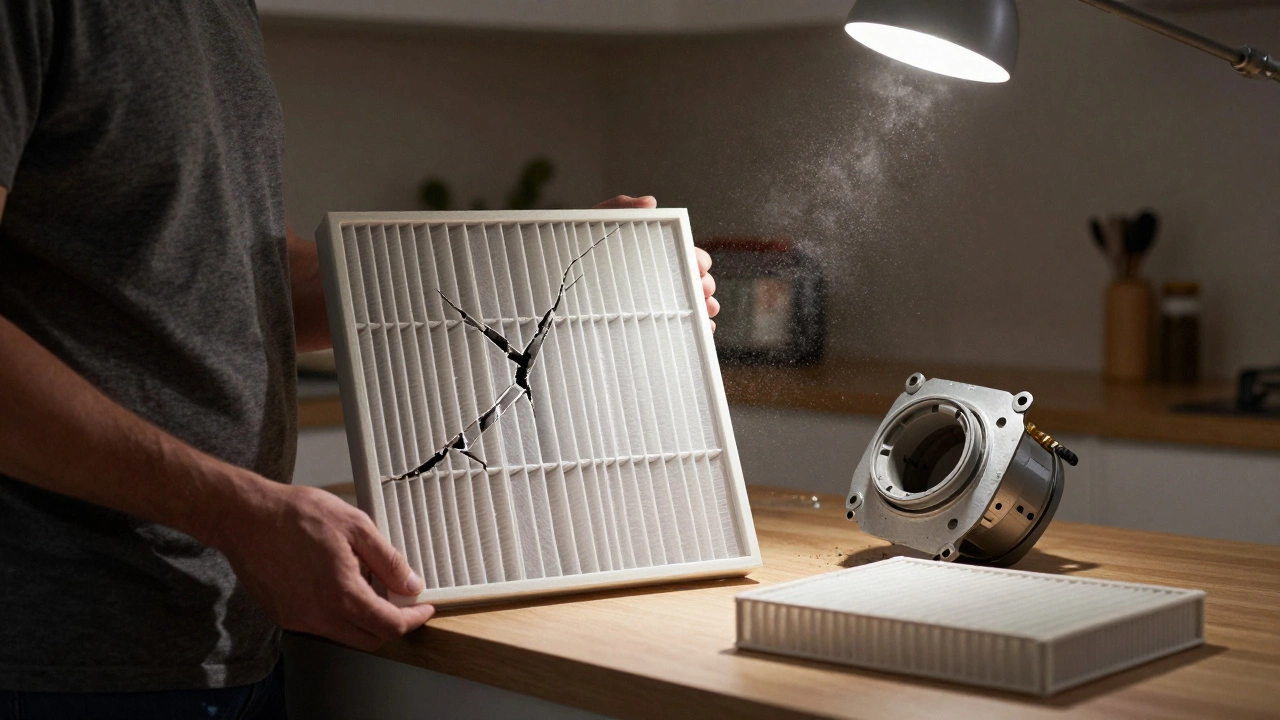
Plus, if your filter gets moldy or breaks from improper cleaning, you’ll need a new one. These filters aren’t indestructible. The plastic frames crack. The metal mesh warps. Water damage from improper drying is common. You’re not saving money-you’re just trading upfront cost for long-term risk.
They Don’t Work Well with Modern HVAC Systems
Many newer furnaces and air conditioners are designed for low-resistance filters. Electrostatic filters, especially when dirty, create higher resistance. That can trigger error codes, shut down the system, or cause the blower motor to overheat. Manufacturers like Lennox, Trane, and Carrier warn against using electrostatic filters in their manuals. They say it voids warranty coverage if the system is damaged because of it.
If your HVAC unit is less than 10 years old, check the manual. You’ll likely find a note saying: “Use only manufacturer-recommended filters.” That almost never includes electrostatic.
They’re Not Better Than High-Efficiency Pleated Filters
The biggest myth is that electrostatic filters are superior. They’re not. High-efficiency pleated filters-like those with MERV 11-13 ratings-capture more allergens, don’t require cleaning, last longer, and don’t strain your system. They’re also cheaper to replace than the hidden costs of electrostatic filters.
Think of it this way: a pleated filter is like a reliable car that runs fine with regular oil changes. An electrostatic filter is like a self-cleaning car that needs constant hand-washing, risks engine damage if not dried perfectly, and still doesn’t clean as well.
For most homes, especially in dusty or allergy-prone environments, a good pleated filter is the smarter choice. It’s simpler, safer, and more effective.