 Jun, 20 2026
Clutch Health & Lifespan Calculator
Estimated Remaining Life:
Recommended Action:
Your foot hits the pedal, you shift gears, and instead of a smooth transition, the engine screams while the car barely moves. That moment of hesitation is frustrating, expensive, and usually points to one specific culprit: a damaged clutch kit, which is the assembly of friction disc, pressure plate, and release bearing that transfers engine power to the transmission. A clutch isn't just another part in your car; it’s the mechanical handshake between your engine and your wheels. When that handshake fails, you’re stranded. But clutches don’t usually fail overnight without warning. They degrade due to specific habits, environmental factors, and mechanical neglect.
Understanding what actually destroys a clutch helps you avoid the $1,000+ repair bill down the road. Most drivers think they are using their clutch correctly, but subtle daily habits can shave years off its life. This guide breaks down the exact mechanisms of failure, from heat buildup to hydraulic leaks, so you can drive smarter and keep your vehicle moving smoothly.
The Silent Killer: Riding the Clutch
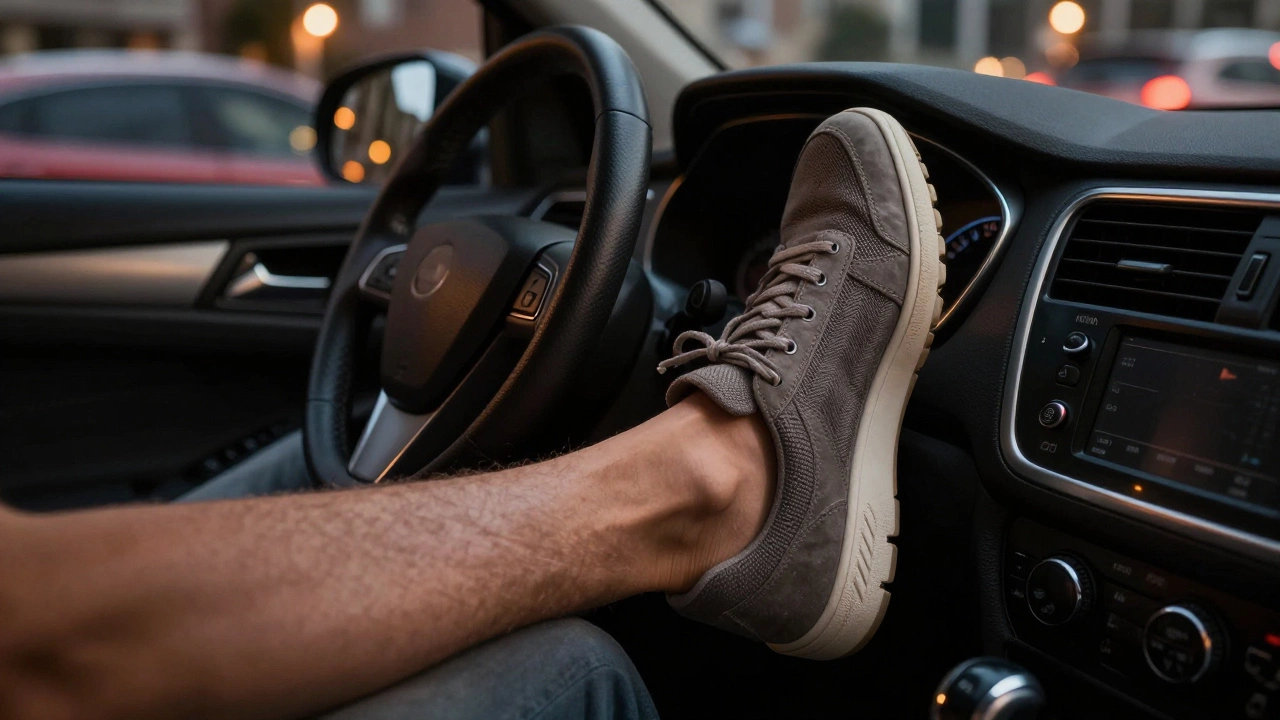
If there is one habit that kills clutches faster than any other, it is "riding" the pedal. You might do this without realizing it. It happens when you rest your left foot lightly on the clutch pedal while driving in traffic or waiting at a long light. Even a tiny amount of pressure keeps the release bearing, also known as the throw-out bearing, engaged against the diaphragm spring. This creates constant friction and prevents the friction disc from fully engaging with the flywheel.
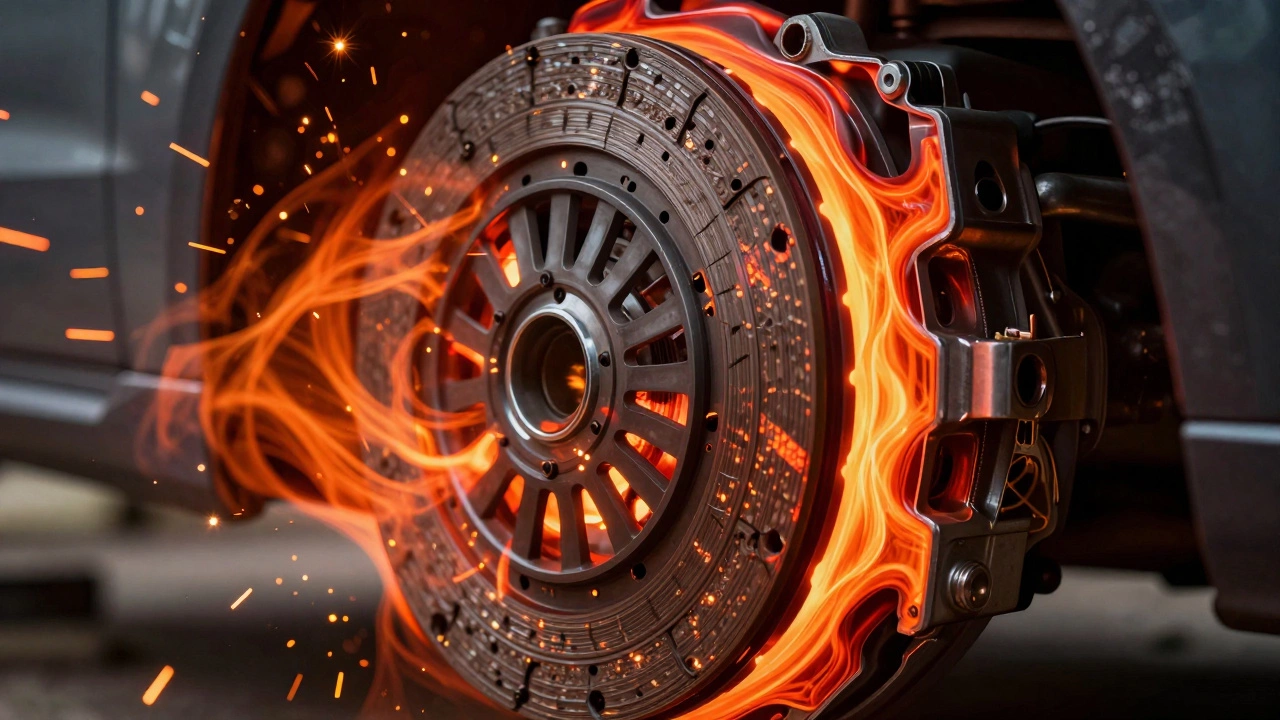
Think of it like braking while driving at 60 mph with your toe barely touching the brake pedal. The brake pads glow red, wear out quickly, and overheat the rotors. The same physics apply to your clutch. The partial engagement generates intense heat. Heat is the enemy of friction materials. Over time, this thermal cycling causes the friction material to glaze, crack, or even delaminate from the metal core. Once the surface is glazed, it loses its grip, leading to slippage. Slippage generates more heat, creating a vicious cycle that destroys the clutch in a matter of months rather than years.
To fix this, simply remove your left foot from the pedal completely whenever you are not actively shifting gears. Rest it on the dedicated footrest. It feels unnatural at first, but it saves thousands of cycles of unnecessary wear.
Heat Buildup and Towing Stress
Clutches operate on friction, and friction creates heat. While some heat is normal during engagement, excessive heat leads to premature failure. This often happens when towing heavy loads or driving in mountainous terrain. If you tow a trailer up a steep grade, you are likely riding the clutch to control speed or struggling to find the right gear ratio. This forces the clutch to slip continuously to manage the torque load.
High temperatures soften the bonding agents in the friction disc. In severe cases, the disc can warp. A warped disc cannot make even contact with the flywheel, causing vibration and further uneven wear. Additionally, extreme heat can damage the pressure plate, which is the component that applies force to clamp the friction disc against the flywheel. If the pressure plate springs lose tension due to heat, they won't clamp down hard enough, leading to slippage even under normal driving conditions.
If you frequently tow or drive in hilly areas, consider upgrading to a heavy-duty clutch kit designed for higher thermal tolerance. These kits use different friction compounds that resist fading under high heat. Also, ensure your cooling system is optimal, as an overheating engine raises the ambient temperature around the transmission bell housing, adding to the clutch's thermal burden.
Hydraulic System Failures
Modern cars rarely use a cable to operate the clutch. Instead, they rely on a hydraulic system similar to your brakes. This system includes the clutch master cylinder and slave cylinder, which work together to transfer fluid pressure to move the release bearing. When these components fail, the clutch doesn't disengage properly.
A common symptom of hydraulic failure is a spongy or soft clutch pedal. If the master cylinder develops an internal leak, fluid bypasses the piston, meaning you press the pedal but little pressure reaches the slave cylinder. The result? The clutch stays partially engaged. You’ll struggle to shift into gear, or worse, the gears will grind because the input shaft is still spinning. Conversely, if the slave cylinder leaks externally, you’ll see fluid puddles near the transmission bell housing. Without sufficient fluid, the pedal may go straight to the floor with no resistance.
Ignoring hydraulic issues damages the clutch kit indirectly. If the clutch doesn't fully disengage, forcing gears into place grinds the synchronizers in the transmission. While this doesn't burn the friction disc immediately, it puts immense strain on the entire drivetrain. Regularly check your clutch fluid level in the reservoir (often shared with the brake fluid). If the level drops without visible external leaks, suspect an internal seal failure in the master cylinder.
Aggressive Driving and Launch Control Abuse
We’ve all seen it: cars launching from stoplights with tires smoking and engines revving high. This practice, often called "launching," places enormous stress on the clutch. When you rev the engine high and then drop the clutch suddenly, the friction disc must absorb a massive spike in rotational energy instantly. This shock loading can crack the friction material or shear the rivets that hold the facings to the disc hub.
Another aggressive habit is "rev-matching" incorrectly. Downshifting requires blipping the throttle to match engine speed with wheel speed. If you downshift too aggressively without proper rev-matching, the engine speed drops rapidly, causing the drivetrain to jerk. This jolt travels back through the transmission to the clutch, potentially damaging the splines on the input shaft or warping the disc. Smoothness is key. Treat the clutch like a delicate instrument, not a hammer.
Racing enthusiasts often replace standard street clutches with performance units that have stiffer springs and higher friction coefficients. However, these performance clutches are less forgiving of everyday driving errors. If you drive a stock car, avoid high-RPM launches. Let the car accelerate naturally. Your clutch will thank you by lasting well beyond 100,000 kilometers.
Flywheel Damage and Surface Contamination
The clutch disc presses against the flywheel, which is a heavy rotating disc attached to the engine crankshaft that stores rotational energy. For the clutch to work, the flywheel surface must be smooth and clean. If the flywheel becomes scored, warped, or contaminated, the clutch will fail prematurely.
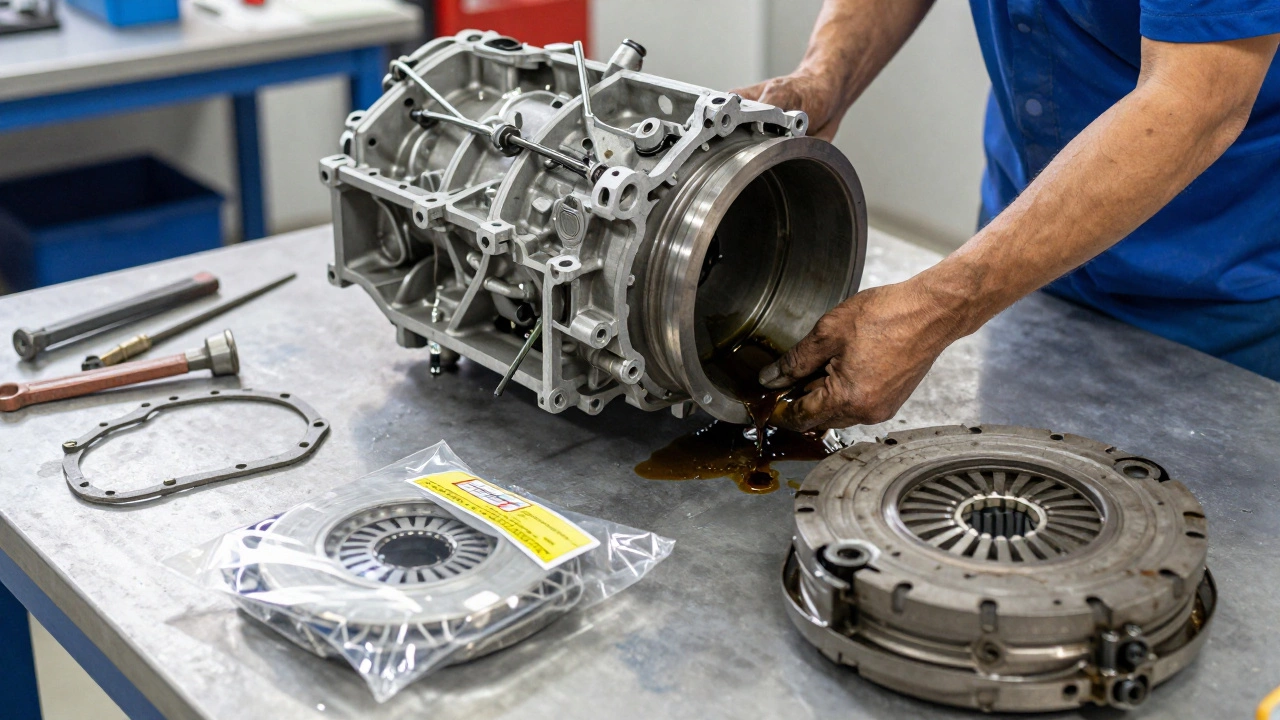
One major cause of flywheel contamination is oil leaks. If the rear main crankshaft seal or the transmission input shaft seal leaks, oil drips onto the clutch assembly. Oil acts as a lubricant, which is the opposite of what a clutch needs. An oily clutch will slip constantly, regardless of how new the parts are. Drivers often mistake this for a worn clutch and replace the kit, only to find the new one slips immediately. Always inspect seals during a clutch replacement. If oil is present, the source of the leak must be fixed, and the flywheel must be cleaned or resurfaced.
Additionally, if a clutch slips for too long, the friction material can embed itself into the flywheel surface. This creates grooves and hot spots. When installing a new clutch, mechanics should always inspect the flywheel. If it shows signs of blueing (heat discoloration) or deep scoring, it needs to be machined or replaced. Installing a new clutch on a damaged flywheel is like putting fresh brake pads on warped rotors-it’s a waste of money and leads to immediate re-failure.
Maintenance Neglect and Fluid Quality
While the clutch itself has few moving parts, the surrounding systems require attention. The hydraulic fluid used in the clutch system is typically DOT 3 or DOT 4 brake fluid. This fluid is hygroscopic, meaning it absorbs moisture from the air over time. Moisture in the fluid lowers its boiling point and promotes corrosion inside the cylinders. Corroded pistons stick, leading to incomplete clutch disengagement.
Flush your clutch fluid every two years, or whenever you service your brakes. It’s a cheap preventive measure that ensures smooth pedal operation. Also, check the clutch linkage or hydraulic lines for physical damage. A bent pushrod or cracked hose can alter the pedal travel, causing the clutch to drag. Dragging means the disc never fully releases, leading to constant grinding and heat buildup.
Finally, pay attention to early warning signs. Does the pedal feel different? Is it harder to shift into reverse? Do you notice a slight increase in RPMs when accelerating in top gear without gaining speed? These are subtle indicators of clutch wear. Addressing them early can extend the life of the remaining healthy components and prevent catastrophic failure while you’re driving on the highway.
| Cause | Primary Effect | Symptom | Prevention |
|---|---|---|---|
| Riding the Clutch | Glazed friction disc | Slipping under acceleration | Remove foot from pedal when not shifting |
| Hydraulic Leak | Incomplete disengagement | Gear grinding, spongy pedal | Check fluid levels regularly |
| Oil Contamination | Lubricated friction surface | Constant slipping, burning smell | Fix transmission/engine seals |
| Aggressive Launching | Cracked disc or sheared rivets | Vibration, inability to engage gear | Smooth take-offs, avoid high-RPM starts |
| Worn Release Bearing | Noise and poor disengagement | Squealing or chirping when pedal pressed | Replace bearing during clutch job |
When to Replace vs. Repair
Sometimes, individual components can be saved. If the issue is purely hydraulic, replacing the master or slave cylinder might solve the problem without touching the clutch kit. However, if the clutch disc is worn, it is almost always recommended to replace the entire kit-disc, pressure plate, and release bearing-at the same time. Why? Because labor costs account for 70-80% of a clutch job. Removing the transmission twice within a year doubles your labor bill. New bearings and pressure plates are relatively inexpensive compared to the mechanic’s hourly rate.
Also, mixing old and new parts can lead to mismatched specifications. A new friction disc paired with an old, weak pressure plate may not clamp effectively. Ensure all parts come from a reputable manufacturer and are matched to your vehicle’s exact model and year. Using aftermarket generic kits can sometimes result in fitment issues or shorter lifespans.
How long does a clutch kit last?
On average, a clutch kit lasts between 50,000 and 100,000 miles (80,000 to 160,000 km), depending on driving habits. City drivers who frequently stop and start may see shorter lifespans, while highway drivers can exceed 150,000 miles. Aggressive driving or towing significantly reduces this range.
Can a bad clutch damage the transmission?
Yes. If the clutch fails to disengage completely, forcing gears can damage the synchronizers and gear teeth inside the transmission. Additionally, severe slippage can send metal debris into the transmission fluid, causing widespread internal damage that requires a full rebuild.
What does a failing clutch sound like?
A failing release bearing often makes a squealing, chirping, or grinding noise when you press the clutch pedal. If the noise stops when the pedal is released, the bearing is likely worn. A slipping clutch may produce a high-pitched whine as the engine revs rise without corresponding speed increases.
Is it worth repairing a clutch yourself?
For experienced DIYers with the right tools, replacing a clutch is manageable but labor-intensive. It requires removing the transmission, which involves lifting the vehicle and handling heavy components. If you lack experience, professional installation is safer to avoid misalignment or bolt torque errors that could cause immediate failure.
Does automatic transmission have a clutch?
Traditional automatic transmissions use a torque converter instead of a friction clutch. However, dual-clutch transmissions (DCT) and continuously variable transmissions (CVT) with belt-driven clutches do use clutch-like components. DCTs are particularly sensitive to software calibration and fluid health.