 Jul, 14 2026
Fuel Pump Noise & Symptom Checker
Diagnostic Assistant
Select the sounds you hear or symptoms you experience to get a diagnosis recommendation.
Analysis Result
Please select at least one option above.
Recommended Action:
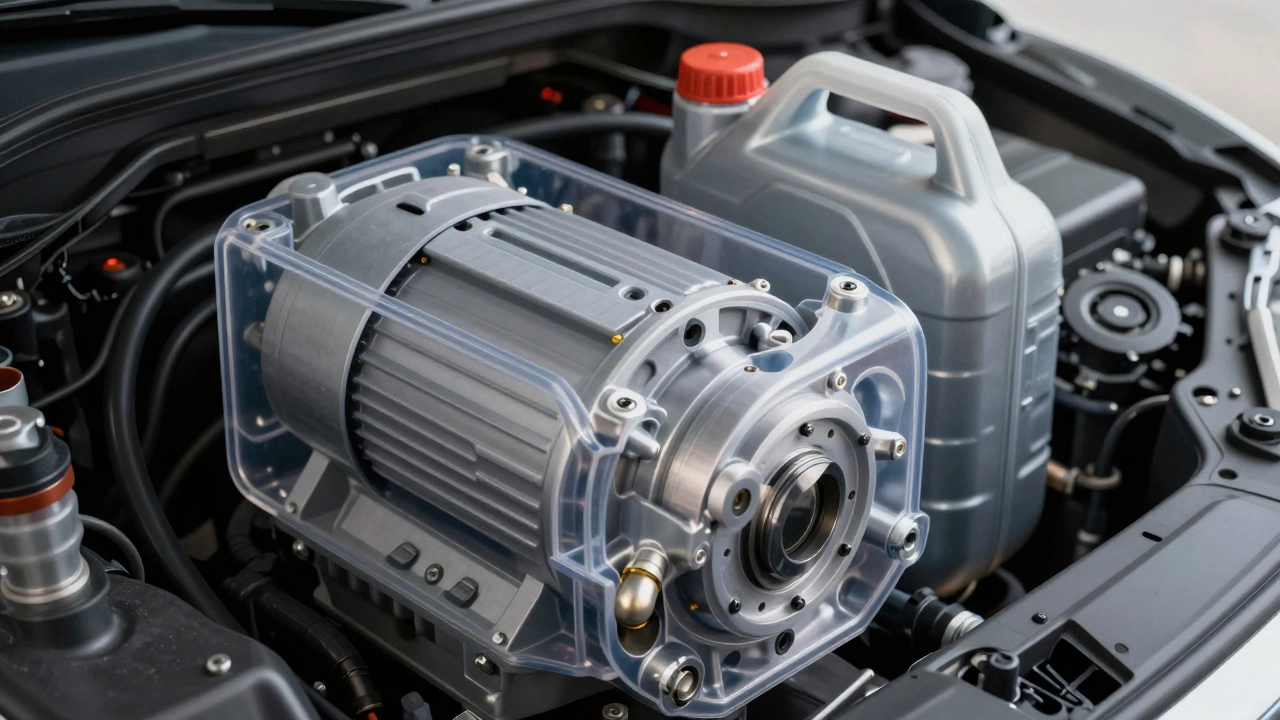
Your car is making a strange noise, and it’s keeping you up at night. You’re not alone. A lot of drivers ignore that high-pitched whine or deep rumble until the engine suddenly refuses to start. The culprit is often the fuel pump, which is an electric motor that pushes gasoline from your tank to the engine under pressure. When this component starts to fail, it doesn’t just quit cold; it usually warns you with specific sounds first.
Knowing what a dying fuel pump sounds like can save you from being stranded on the side of the highway. It can also save you hundreds of dollars in towing fees and emergency mechanic rates. In this guide, we’ll break down the exact noises to listen for, why they happen, and how to tell if it’s really the pump or something else entirely.
The Quick Takeaway: What to Listen For
- Loud Whining: A high-pitched scream coming from the rear of the car when you turn the key.
- Humming or Rumbling: A deeper vibration that gets louder as you drive.
- Silence: No sound at all when you turn the ignition to 'On' before starting the engine.
- Grinding: A metallic crunching noise indicating internal damage.
If you hear any of these, especially combined with hard starting or loss of power, your fuel pump is likely on its last legs.
The Normal Baseline: What a Healthy Pump Sounds Like
Before you can identify a problem, you need to know what normal sounds like. Most modern cars have an in-tank fuel pump, meaning it sits submerged in your gas tank. Because it’s surrounded by liquid, it should be relatively quiet.
When you turn your key to the "On" position (but don't crank the engine yet), you should hear a faint, soft hum for about two seconds. This is the pump pressurizing the fuel lines. It’s subtle-like a refrigerator compressor kicking on in another room. If you are sitting inside the car with the windows up, you might barely notice it. If you hear a loud roar immediately, that’s already a red flag.
| Status | Sound Description | Volume Level | Timing |
|---|---|---|---|
| Healthy | Faint, smooth hum | Low/Barely Audible | 2-3 seconds after turning key to 'On' |
| Failing (Worn Bearings) | High-pitched whine or squeal | Medium to Loud | Constant while engine runs |
| Failing (Cavitation/Air) | Rattling or chattering | Variable | Under acceleration or low fuel |
| Dead | No sound | Silent | Never activates |
The High-Pitched Whine: The Most Common Warning Sign
The most frequent complaint from drivers with a failing fuel pump is a high-pitched whine. Imagine the sound of a kettle boiling over, but sharper and more mechanical. This noise typically originates from the rear of the vehicle, near the fuel tank.
Why does this happen? Inside the fuel pump assembly, there are bearings and brushes that allow the motor to spin. Over time, heat and friction wear these parts down. As the bearings degrade, they create metal-on-metal contact, resulting in that piercing whine. The noise often gets louder when you accelerate because the engine demands more fuel, forcing the pump to work harder and spin faster.
If you notice this whine increasing in volume over several weeks, don’t wait. A bearing failure can lead to the pump seizing completely. Once that happens, you’re walking home.
The Deep Hum or Rumble: Signs of Strain
Not all failing pumps scream; some groan. A deep, vibrating hum or rumble indicates that the pump is struggling to maintain pressure. This is often caused by a clogged fuel filter or a restricted fuel line. The pump has to work overtime to push gas through the blockage, causing the motor to vibrate excessively.
This vibration can sometimes be felt through the floorboard of the car. If you feel a buzzing sensation in the back seat while driving at steady speeds, check your fuel system. While this isn’t always a sign of a broken pump, it is a sign of a stressed one. Ignoring it will shorten the pump’s lifespan significantly.
Complete Silence: The Worst Case Scenario
Sometimes, the absence of sound is the loudest warning of all. If you turn your key to the "On" position and hear absolutely nothing from the rear of the car, your fuel pump may have failed entirely. Alternatively, the electrical connection could be blown.
To test this, have someone sit in the driver’s seat while you stand near the fuel tank (usually located under the rear seat or in the trunk). Ask them to turn the key to "On." If you hear no click, no hum, and no buzz, the pump is either dead or not receiving power. Check the fuel pump fuse in your fuse box first-it’s the cheapest fix. If the fuse is good, the pump itself is likely toast.
Grinding or Clicking: Internal Damage
A grinding noise suggests that debris has entered the pump mechanism. This could be rust from an old fuel tank, dirt from a compromised cap, or even fragments of the pump itself breaking apart. A clicking sound, on the other hand, might indicate a failing relay or a loose mounting bracket.
If you hear grinding, stop driving immediately. Metal shards circulating in your fuel system can damage the fuel injectors and the engine itself. This requires professional diagnosis and likely a fuel system flush.
Is It Really the Fuel Pump? Differentiating Noises
It’s easy to blame the fuel pump for every weird noise, but other components can mimic its symptoms. Here’s how to tell the difference:
- Alternator Whine: An alternator issue usually changes pitch with engine RPM (revolutions per minute) and is located at the front of the engine bay. A fuel pump whine is more constant and comes from the rear.
- Bearing Noise (Wheel): Wheel bearing noise grows louder as you speed up and often changes when you turn left or right. Fuel pump noise is less affected by steering input.
- Exhaust Leak: A ticking or popping sound from the exhaust manifold can sound like a mechanical knock. This noise is hottest near the engine and often smells like burning oil or gas.
If the noise disappears when you add fuel to the tank, it’s almost certainly the fuel pump. Low fuel levels cause the pump to draw in air instead of liquid, leading to cavitation-a condition where bubbles form and collapse, creating a rattling noise and overheating the pump.
Other Symptoms Beyond Sound
While sound is a great indicator, it’s not the only clue. Pay attention to how your car drives:
- Hard Starting: The engine cranks longer than usual before firing up.
- Stalling at High Speeds: The car dies unexpectedly when you’re on the highway or accelerating hard.
- Surging: The car feels like it’s gaining power then losing it, even if you keep your foot steady on the gas pedal.
- Loss of Power Under Load: The car struggles to climb hills or tow trailers.
These performance issues, combined with the noises mentioned above, confirm the diagnosis. If you have the noise but no performance issues, you have time to plan a repair. If you have both, prioritize getting it fixed soon.
How to Test Your Fuel Pump Yourself
You don’t need a degree in automotive engineering to check if your pump is working. Here’s a simple diagnostic process:
1. The Fuse Check: Locate your fuse box (usually under the hood or in the dashboard). Find the fuel pump fuse using your owner’s manual. Pull it out and inspect the metal strip inside. If it’s broken, replace the fuse. If the new fuse blows immediately, you have an electrical short.
2. The Relay Swap: Fuel pump relays are common failure points. Find the fuel pump relay in the fuse box diagram. Swap it with a similar-sized relay (like the horn or AC relay) to see if the pump starts working. If it does, buy a new relay-they cost around $10-$20.
3. The Pressure Test: For a definitive answer, you need a fuel pressure gauge. Connect it to the Schrader valve on the fuel rail (located on top of the engine). Turn the key to "On." The pressure should rise to the manufacturer’s specification (often 40-60 PSI for most cars). If the pressure is low or drops quickly, the pump or regulator is faulty.
Prevention Tips: Keep Your Pump Quiet
You can extend the life of your fuel pump with a few simple habits:
- Don’t Run on Empty: Keeping your tank above 1/4 full ensures the pump stays submerged and cooled by the fuel. Running dry is the fastest way to kill a pump.
- Use Quality Fuel Filters: Replace your fuel filter according to the manufacturer’s schedule (usually every 30,000 to 60,000 miles). A clean filter reduces strain on the pump.
- Address Leaks Immediately: Any vacuum leak or fuel line leak can cause the pump to work harder to maintain pressure.
When to See a Mechanic
If you’ve ruled out fuses and relays, and the noise persists, it’s time for professional help. Replacing a fuel pump involves dropping the fuel tank or accessing it through the trunk/rear seat, which requires special tools and safety precautions due to flammable vapors. Attempting this without experience can be dangerous and costly if done incorrectly.
A typical fuel pump replacement costs between $500 and $900, depending on your vehicle model. Labor accounts for a significant portion of this price because of the access required. However, ignoring the problem can lead to engine damage or being stranded, which costs far more in the long run.
How much does it cost to replace a fuel pump?
The average cost for a fuel pump replacement ranges from $500 to $900. This includes the part ($150-$400) and labor ($200-$500). Luxury vehicles or those with difficult-to-access tanks may cost more.
Can I drive my car if the fuel pump is making noise?
You can drive it for a short distance to get to a mechanic, but you should avoid highway speeds and heavy loads. A noisy pump is likely to fail completely soon, leaving you stranded.
Does a bad fuel pump affect gas mileage?
Yes. If the pump cannot maintain proper pressure, the engine computer may inject extra fuel to compensate, leading to poor gas mileage and increased emissions.
Where is the fuel pump located in my car?
In most modern vehicles, the fuel pump is located inside the gas tank, accessible through a panel under the rear seat or in the trunk. Older cars may have the pump mounted on the frame near the engine.
How long does a fuel pump last?
A typical fuel pump lasts between 100,000 and 150,000 miles. Proper maintenance, such as avoiding running on empty, can extend this lifespan.