 Mar, 31 2026
Spark Plug Health & Cost Calculator
Vehicle Profile
Configure your vehicle details to calculate the potential savings of timely maintenance versus expensive repairs.
Most drivers ignore their car until something breaks loudly. But small issues often hide in plain sight. One of the most critical components in your engine is the spark plug. Many owners think these parts last forever because they don't see them. However, skipping replacement leads to a chain reaction of problems. You might start noticing poor acceleration first, followed by higher gas bills, and eventually, very expensive engine damage.
Ignoring worn-out spark plugs isn't just about convenience; it affects safety and wallet depth. A single cylinder failing to fire correctly throws off the entire engine rhythm. In this guide, we break down exactly what goes wrong, how long you have before damage becomes permanent, and why fixing it now saves money later.
The Critical Job of the Spark Plug
To understand the risk, you need to understand the tool. The Spark Plug is the device that creates the electric spark required to ignite the air-fuel mixture inside the engine's cylinders. Without that spark, there is no explosion to push the pistons down. There is no power.
Modern engines rely on precise timing.Imagine trying to light a campfire with a wet match. That's what your engine experiences when a spark plug gap widens due to wear. The voltage required jumps too high, and the coil can't deliver it consistently. When this happens, unburnt fuel ends up in the exhaust system instead of powering the wheels. This leftover fuel causes carbon buildup, fouling, and contamination downstream.
Immediate Symptoms You Will Feel
You usually get warning signs before total failure. These aren't vague feelings; they are physical feedback from the machine.
- Rough Idle: Your car shakes violently while stopped at a red light. It feels like the engine is coughing.
- Poor Acceleration: You press the gas pedal, but the car hesitates or surges forward jerkily. This "bogging" effect is common during hard starts.
- Hard Starting: Especially in colder months, cranking the engine takes longer than usual. If you've noticed struggles during spring mornings, your ignition is weak.
- Failing Cylinder Test: Sometimes you hear a rhythmic "pop-pop-ping" sound coming from the exhaust pipe.
These symptoms stem directly from Ignition System Failure, where the electrical path is compromised. If the spark misses even once per minute, over a day that is thousands of missed ignitions. Each missed burn puts unburned gasoline into places where it doesn't belong.
Long-Term Damage Beyond the Plugs
Leaving faulty plugs in place triggers a cascade effect. The most common victim is the Catalytic Converter.
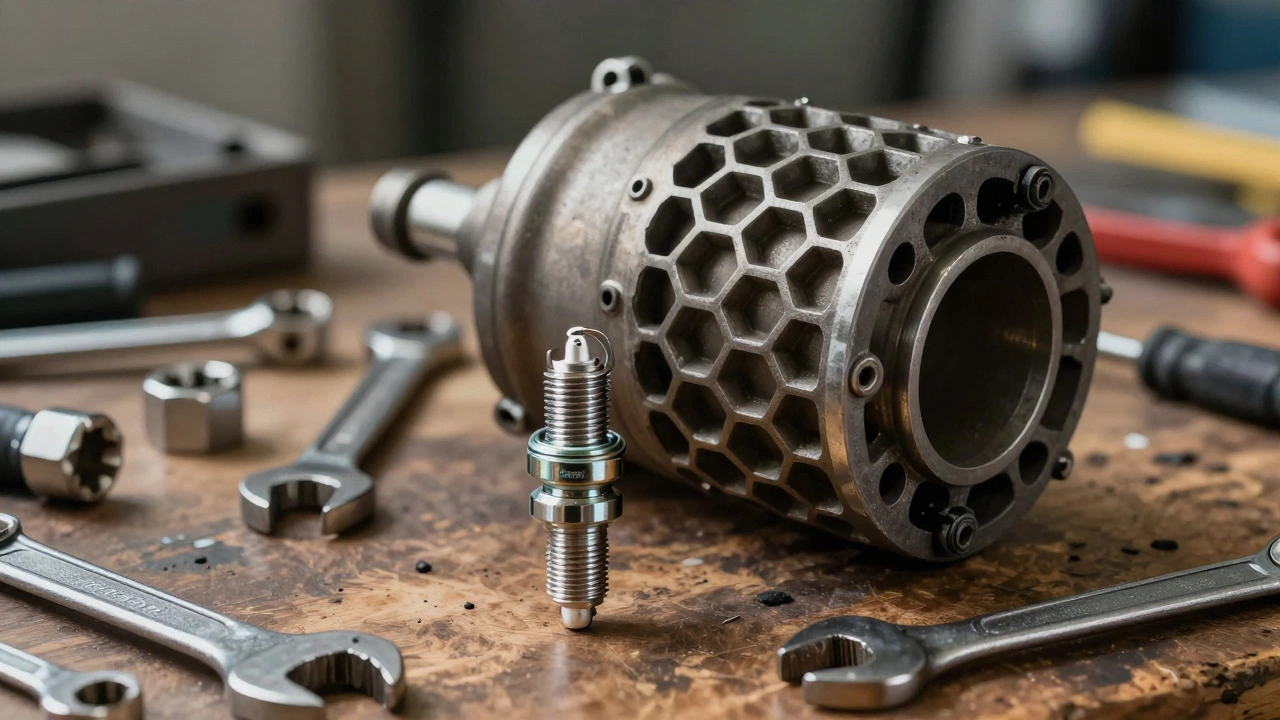
This component sits in the exhaust system to clean gases. Its job is delicate. When raw fuel floods into the converter, it burns up internally and overheats the honeycomb structure. A ruined converter needs replacement, which costs thousands compared to the few hundred dollars for a tune-up. You essentially throw away the fuel economy gains you made earlier to avoid paying for the plugs themselves.
Furthermore, your Oxygen Sensors suffer. These sensors monitor the exhaust stream to adjust the fuel mix. Bad plugs confuse the sensor data. The computer thinks it needs to add more fuel, creating a cycle of waste. You pay for the gas, but the engine doesn't use it efficiently. Over time, the sensor itself fails and needs replacing too.
Financial Impact: Small Fix vs. Big Repair
| Service Item | Average Cost Range | Frequency |
|---|---|---|
| Spark Plug Replacement (Set) | $200 - $450 | Every 30,000 - 100,000 km |
| Catalytic Converter Replacement | $1,000 - $2,500+ | Once every 10+ years |
| Oxygen Sensor Replacement | $150 - $300 each | As needed |
| Ignition Coils | $100 - $250 each | Often replaced with plugs |
The math is simple. A set of standard copper plugs costs pennies per kilometer, whereas platinum or iridium options last longer but cost more upfront. Skipping the service interval turns a $300 task into a $1,500 emergency. Plus, driving around with reduced fuel efficiency means you spend extra every trip to the pump. Over a year, that lost mileage adds hundreds of dollars in fuel costs alone.
Symptoms of Worn Out Components
Different materials age differently. Older cars used copper cores, needing changes every 30,000 km. Newer vehicles use Iridium, lasting much longer. Knowing your type is crucial.
- Copper Spark Plugs: Known for low initial heat dissipation. Best for older engines but wear out fast.
- Platinum Spark Plugs: Harder electrode extends life. Usually good for 50,000 to 80,000 km.
- Iridium Spark Plugs: Extremely durable. Often claimed for 100,000 km lifespans. Essential for high-efficiency hybrid setups.
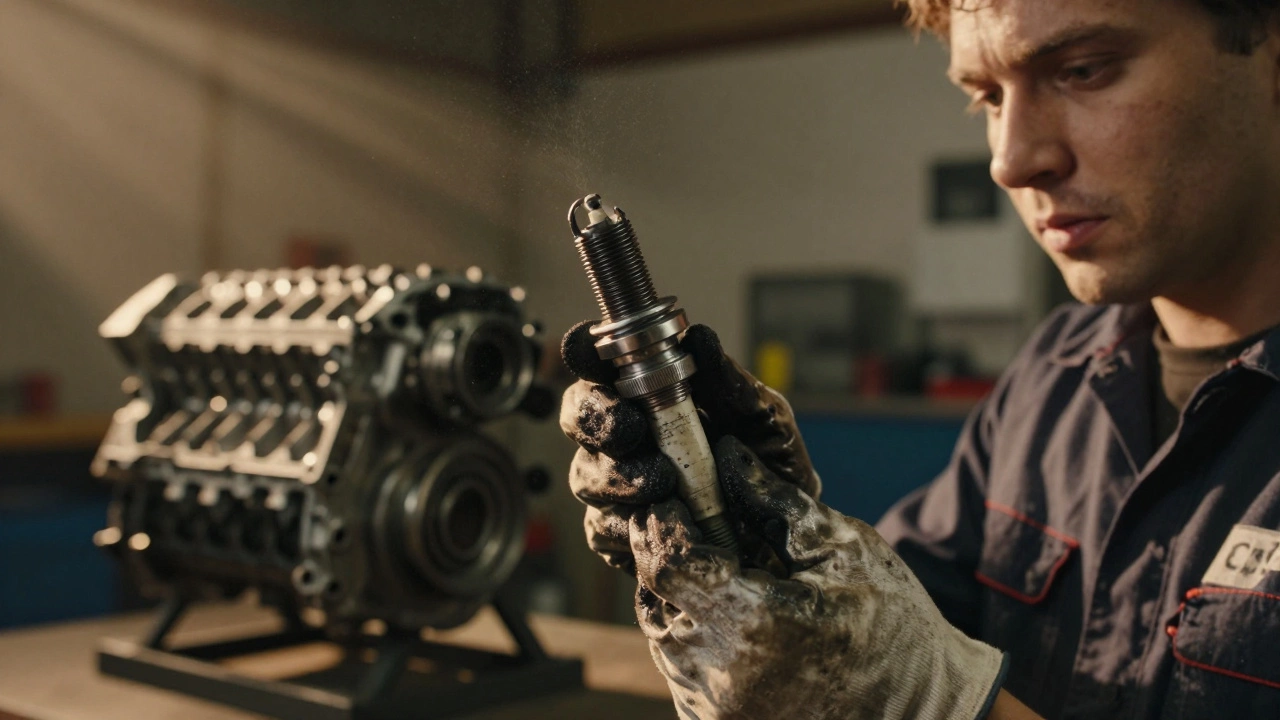
If your owner's manual says 100,000 km, don't assume you're safe until you see a code. Modern sensors can fail without triggering the light immediately. Visual inspection is the only true verification. Removing a plug reveals the electrode gap and deposits. Black soot indicates a rich mix; white ash suggests oil burning or coolant leaks.
How To Know It Is Time For Service
Relying solely on the dashboard light is risky. Many manufacturers delay the Check Engine light until the damage is already significant. Look for these indicators first.
- Mileage Marker: Check your odometer against the manufacturer schedule. Even if the car runs fine, prevention beats cure.
- Engine Noise: Listen for knocking or pinging under acceleration. This suggests pre-detonation caused by weak sparks.
- Tailpipe Smoke: Excessive white or blue smoke points to incomplete combustion.
- Gauge Readings: Some dashboards show real-time fuel consumption. If MPG drops significantly without driving change, investigate.
For those living in regions with harsh winters, like our area here in Ontario, corrosion plays a bigger role. Road salt and moisture corrode connections faster. Regular checks are smarter than waiting for a failure.
When To Replace Them Yourself Or Hire A Pro
Replacing plugs is generally accessible for DIYers. Basic tools include a ratchet, socket extension, and dielectric grease. However, some modern engine layouts make access difficult. Engines with four valves per cylinder often require removing intake manifolds or coils first.
Consider professional help if:
- Your engine is an interference design (risky if timing belts slip).
- You lack specialized torque wrenches.
- Old spark plugs are seized in the threads.
Proper tightening torque is vital. Overtightening strips the aluminum block. Undertightening causes heat pockets that melt the plug seal. A shop ensures precision you might miss at home.
Conclusion On Ignition Health
Neglecting these small metal devices invites massive headaches. The chain of events starts with weak firing and ends with destroyed emissions hardware. Keep up with intervals, watch for rough idles, and trust the maintenance schedule printed in your handbook. Saving money on the service means paying ten times later.
Can I drive with a bad spark plug?
Yes, you physically can drive, but it is dangerous for the engine. Continued operation wastes fuel, strains the catalytic converter, and increases the chance of being stranded roadside.
How do I tell if my spark plugs are bad?
Signs include rough idle, difficulty starting, loud exhaust noise, and reduced fuel economy. A visual check or scanning tool will confirm the issue definitively.
Does changing spark plugs improve performance?
Yes, fresh plugs restore proper combustion. You will feel better throttle response and likely gain back the fuel miles-per-gallon you lost due to aging parts.
Will a bad spark plug trigger the check engine light?
It frequently does. Most modern cars detect 'misfires' via crankshaft speed fluctuation. However, slight degradation sometimes passes unnoticed until it gets severe.
What happens if I put the wrong spark plugs in?
Wrong heat range or gap size can cause overheating or misfiring. Always use the exact part number recommended for your specific engine model year.