 Sep, 8 2026
Windshield Wiper Value Calculator
Compare Budget, Mid-Range, and Premium wipers to see which offers the best value for your specific driving habits and climate.
Your Driving Profile
Wiper Tier Prices (Per Pair)
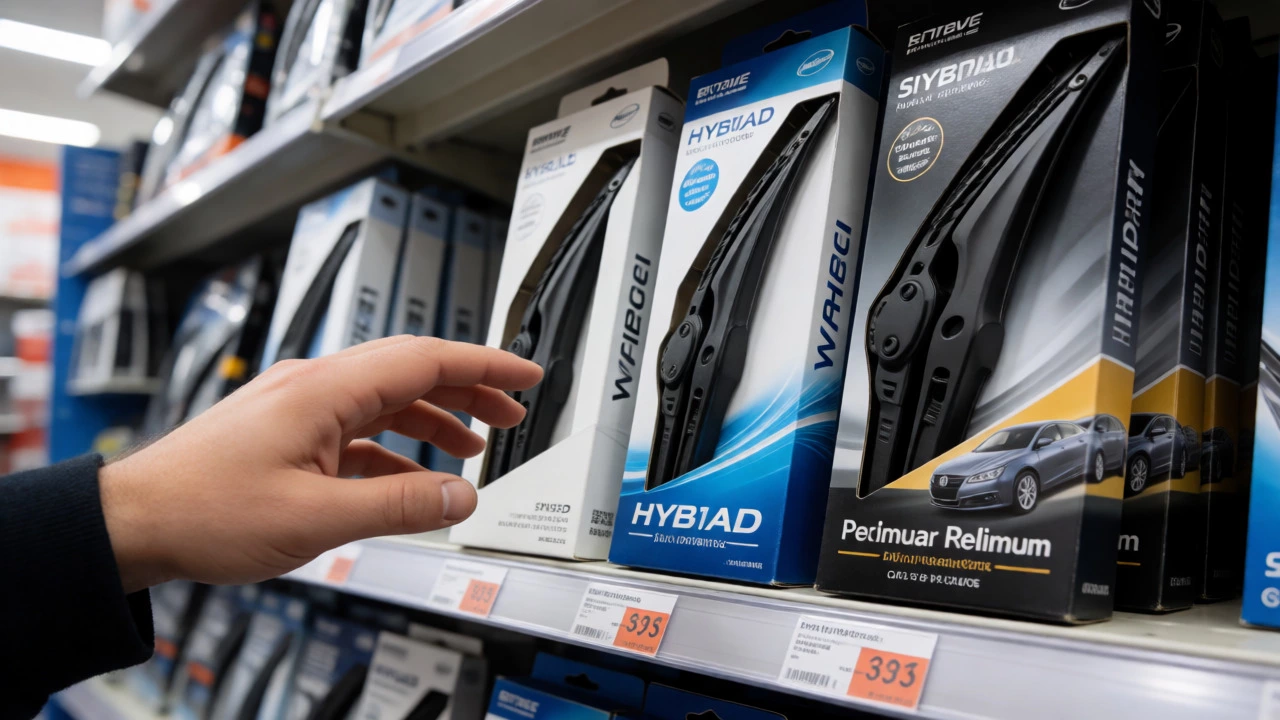
You’re standing in the auto parts aisle, staring at three different boxes of windshield wipers that look identical but have wildly different price tags. One costs $8, another $25, and the third is nearly $40. Which one do you actually need? The answer isn’t just about your wallet; it’s about visibility, safety, and how often you drive in nasty weather.
Most drivers treat wipers like disposable commodities. They grab the cheapest pair because they assume all rubber on a metal arm does the same job. That assumption can be dangerous during a heavy downpour or when ice refuses to clear from your glass. Finding the right balance between cost and performance requires understanding what drives those prices up or down. Let’s break down exactly what constitutes a fair price for wipers in 2026 and why spending an extra ten bucks might save you a headache later.
The Three Tiers of Wiper Pricing
Wiper blade pricing generally falls into three distinct categories: budget, mid-range, and premium. Knowing which tier fits your needs prevents overpaying for features you won’t use or underbuying on quality that compromises safety.
Budget wipers typically range from $10 to $18 per pair. These are usually conventional frame-style blades made with basic natural rubber. They work fine if you live in a dry climate or only drive occasionally. However, the rubber degrades quickly under UV exposure. You’ll likely find yourself replacing them every six months instead of once a year. If you see prices below $10, check the brand reputation carefully. Extremely cheap options often suffer from poor connector fitment, leading to rattling noises or blades popping off the arm at highway speeds.
Mid-range wipers sit between $20 and $35 per pair. This is the sweet spot for most Canadian drivers. Brands like Bosch Icon or Rain-X Weatherbeater dominate this space. These blades often feature hybrid designs that combine the stability of a frame with the sleek look of beam blades. They include advanced rubber compounds treated with graphite or silicone coatings to reduce friction and noise. For someone driving daily in Hamilton’s mix of rain, snow, and sun, this tier offers the best value proposition. You get consistent performance without paying for marketing fluff.
Premium wipers cost $40 to $70+ per pair. These are high-end silicone or aerodynamic beam blades designed for extreme conditions or luxury vehicles. Some include integrated spoilers to keep the blade pressed against the glass at high speeds. While excellent, they aren’t necessary for every car. Unless you drive a sports car at high velocities or live in an area with constant severe storms, the performance jump from mid-range to premium is marginal compared to the price increase.
Factors That Swing the Price Tag
Why does one box say $15 and another $45? It’s not just branding. Several technical factors dictate the manufacturing cost and retail price.
Blade Type: Conventional frames are cheaper to produce because they use simple metal structures. Beam blades require complex injection-molded plastic spines that distribute pressure evenly along the entire length. This engineering adds cost but provides better contact with curved windshields, especially on modern cars with steeply raked glass.
Rubber Compound: Standard natural rubber cracks after one summer of UV exposure. Premium blends incorporate synthetic rubbers or pure silicone. Silicone lasts significantly longer-often double the lifespan of natural rubber-and performs better in freezing temperatures. You pay more upfront, but if a $40 set lasts two winters while a $15 set lasts one, the long-term math favors the expensive option.
Connector Compatibility: Universal connectors add versatility but can introduce play or looseness. Vehicle-specific adapters ensure a tight, secure fit. High-quality brands invest in precise molding for these connectors, ensuring the blade doesn’t detach during a storm. Cheap generic blades often rely on loose hooks that rattle, annoying you every time you hit a bump.
| Tier | Average Price (Pair) | Material | Expected Lifespan | Best For |
|---|---|---|---|---|
| Budget | $10 - $18 | Natural Rubber / Metal Frame | 6 Months | Dry climates, occasional drivers |
| Mid-Range | $20 - $35 | Graphite-Coated Rubber / Hybrid | 12 Months | Daily commuters, mixed weather |
| Premium | $40 - $70+ | Silicone / Aerodynamic Beam | 18 - 24 Months | Luxury cars, harsh winters, high speed |
Regional Considerations for Canadian Drivers
If you live in Canada, particularly in regions like Ontario or Quebec, standard advice from southern US markets doesn’t always apply. Winter here is brutal on rubber. Cold temperatures make standard rubber brittle. When you scrape ice off your windshield, you’re also damaging the edge of your wiper blades. This is why many Canadians opt for winter-specific wipers, which come with protective rubber boots that prevent ice buildup inside the mechanism.
In Hamilton, where lake-effect moisture mixes with industrial humidity, corrosion is a real issue. Cheap metal frames rust quickly, seizing up the pivot points. A mid-range blade with a coated or plastic-reinforced spine resists this corrosion better. Spending $25 now avoids the hassle of frozen blades sticking to the glass in January. Additionally, local retailers like Canadian Tire or AutoZone often run bundle deals. Buying a multi-pack sometimes lowers the per-unit cost, making premium blades accessible at mid-range prices.
DIY vs. Professional Installation Costs
One reason people hesitate to buy higher-quality wipers is the fear of installation complexity. Here’s the truth: installing wipers is rarely worth paying a mechanic for. Most modern cars use hook-arm or side-pin connectors that snap on in under thirty seconds. No tools required. If a shop charges you $20 for labor plus $30 for parts, you’re paying $50 for something you could do in your driveway for $35 total.
Exceptions exist. Some European vehicles use proprietary quick-release clips that are tricky to manipulate without specific knowledge. In these cases, watching a tutorial video or having a knowledgeable friend help saves money. But for 90% of North American vehicles, DIY is the only logical choice. Factor this savings into your budget. Instead of paying for labor, upgrade from a budget blade to a mid-range one.
When to Replace: Signs You’re Overpaying for Bad Performance
Buying new wipers too early wastes money. Waiting too long risks scratched glass. How do you know when it’s time?
- Streaking: If water smears across the glass instead of clearing cleanly, the rubber edge has degraded.
- Chattering: A skipping or jumping motion indicates the blade isn’t maintaining even contact. This often happens when the rubber hardens.
- Visible Cracks: Look closely at the rubber edge. Tiny fissures mean the material is drying out.
- Smearing Oil: If the wipers spread oily residue rather than removing it, the coating is worn off.
If you experience any of these signs, don’t wait for the next season. Poor visibility increases accident risk. Replacing wipers is one of the cheapest insurance policies you can buy for your car.
Smart Shopping Strategies
To get the best price, avoid buying wipers at the dealership unless absolutely necessary. Dealerships mark up parts by 50-100%. Instead, check online retailers like Amazon or RockAuto, where competition keeps prices low. Compare prices using the part number found in your owner’s manual or via online fitment tools.
Consider buying in pairs. Wipers wear unevenly-the driver’s side often works harder due to airflow patterns-but replacing both ensures balanced performance. Mixing old and new blades can cause vibration issues. Also, watch for seasonal sales. Late spring and early fall are prime times for discounts as retailers clear inventory before winter stock arrives.
How much should I spend on windshield wipers?
For most drivers, spending $20 to $35 per pair is ideal. This buys you durable materials and reliable performance. Budget options under $15 may suffice for infrequent drivers in mild climates, while premium sets over $40 are best for extreme weather or high-speed driving.
Are expensive wipers worth the money?
Often, yes. Higher-priced wipers typically use silicone or treated rubber that lasts twice as long as cheap alternatives. If a $40 pair lasts two years and a $15 pair lasts six months, the expensive option is actually cheaper per month of use.
Can I install wipers myself?
Yes, almost everyone can. Most wipers attach via a simple hook or pin mechanism that requires no tools. It takes less than a minute per blade. Only rare proprietary systems require professional help.
How often should I replace my wiper blades?
Check them every six months. Replace them annually if you notice streaking, chattering, or visible damage. In harsh climates with heavy snow and ice, consider replacing them twice a year.
Do wiper size matter for price?
Size affects price slightly. Longer blades require more material and structural integrity, costing a few dollars more. Always match the manufacturer’s recommended size for optimal coverage and safety.