 Nov, 25 2025
Suspension Advisor Tool
Find your perfect suspension upgrade based on your vehicle type, driving conditions, and budget. Answer a few quick questions to get personalized recommendations.
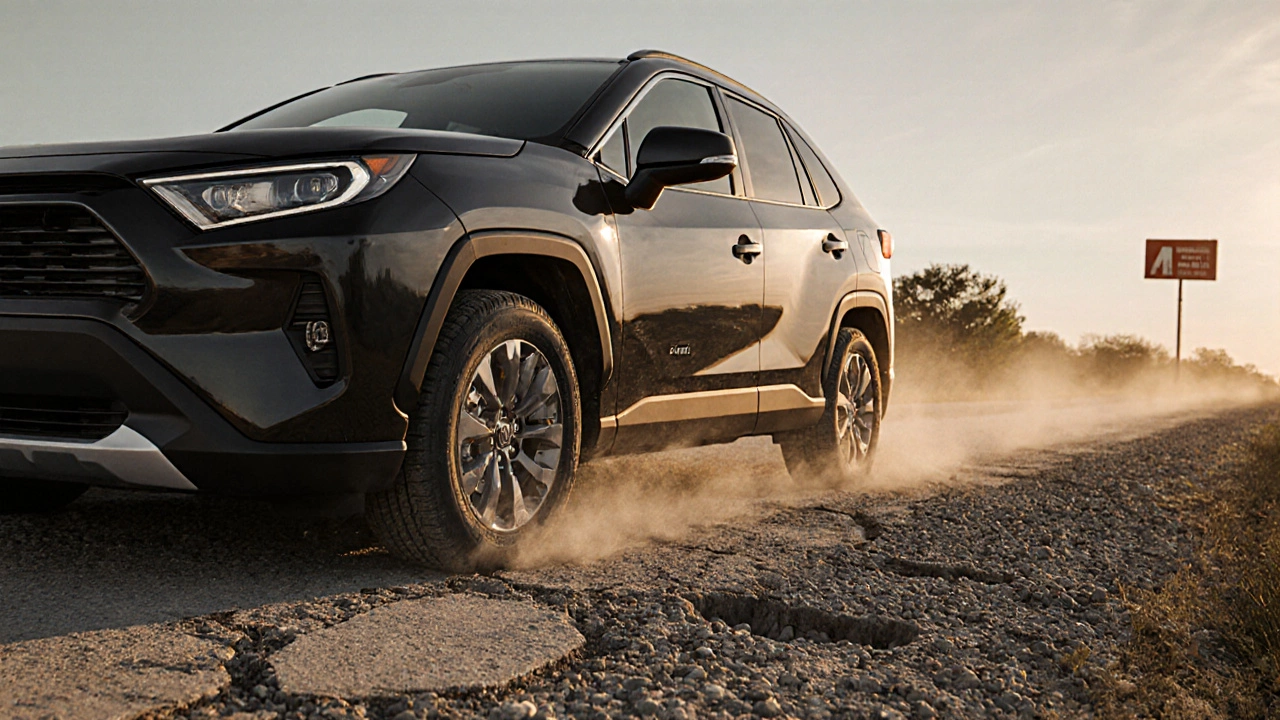
Driving on bumpy roads isn’t just annoying-it’s hard on your car, your back, and your patience. If you live near gravel roads, construction zones, or rural highways, you know how a bad suspension turns every pothole into a full-body jolt. The question isn’t whether you need better suspension-it’s what kind works best for your daily grind.
What Makes a Suspension Good for Bumpy Roads?
A suspension system does more than keep your tires on the ground. It absorbs shocks, controls body movement, and keeps your ride stable. For bumpy roads, you need three things: travel, damping, and load capacity.
Travel means how far the suspension can move up and down before hitting a limit. More travel = fewer bottom-outs. Damping is how well shocks control the spring’s bounce. Too little, and your car bounces like a trampoline. Too much, and it feels stiff and harsh. Load capacity matters if you haul gear, tools, or passengers regularly.
Most factory suspensions are tuned for smooth highways, not gravel or potholes. They’re light, cheap, and designed for fuel economy-not comfort. Upgrading isn’t about going off-road with lift kits. It’s about finding the right balance for the roads you actually drive.
Top Suspension Types for Bumpy Roads
Not all suspensions are created equal. Here are the three most effective setups for rough terrain, ranked by real-world performance.
1. Adjustable Coilovers
Coilovers combine a shock absorber and a coil spring in one unit. The best ones let you tweak ride height and damping independently. Brands like KW, Bilstein, and Eibach make models designed for daily driving on rough surfaces.
Why they work: You can lower the car slightly for better control, then soften the damping to soak up bumps. They’re not for extreme off-roading, but for gravel roads, broken pavement, and uneven driveways-they’re unbeatable. A set of adjustable coilovers can reduce impact force by up to 40% compared to stock suspension.
2. Heavy-Duty Shock Absorbers with Premium Springs
If you don’t want to replace your whole suspension, swap out the shocks and springs. Look for monotube shocks like the Bilstein B6 or B8. These handle heat better than twin-tube designs, meaning they don’t fade after hours on rough roads.
Pair them with progressive-rate coil springs from Eibach or ERS. Progressive springs get stiffer as they compress, so they’re soft over small bumps but firm under heavy loads. This combo costs less than coilovers and still gives you a huge improvement.
3. Air Suspension Systems
Air suspension uses rubber bellows filled with compressed air instead of metal springs. It’s common on luxury cars and trucks, but now you can retrofit kits for sedans and hatchbacks.
Why it’s great: You can adjust ride height on the fly. Drive on smooth roads? Lower it for better handling. Hit a washboard road? Raise it for clearance and softer ride. Systems like Air Lift 3P or Firestone Ride-Rite let you set different pressures for front and rear, balancing load and comfort.
Downside: More parts mean more things that can fail. If you live where roads are salted in winter, corrosion can be an issue. But if you’re willing to do basic maintenance, air suspension delivers unmatched adaptability.
What to Avoid
Not every upgrade is a good idea. Here’s what to skip:
- Aggressive lift kits - They raise your center of gravity, making your car less stable on uneven surfaces.
- Stiff sport springs - They lower your ride height and make every bump feel like a punch.
- Used or rebuilt shocks - If the seals are worn, they’ll leak fluid and lose damping power fast. You’ll pay more in the long run.
- One-size-fits-all kits - Suspension isn’t universal. A kit made for a Ford F-150 won’t fit a Honda Civic, even if the bolt pattern looks similar.
Stick to parts designed for your exact make, model, and year. Manufacturers like KYB, Monroe, and Sachs test their products on real roads-not just in labs.
Real-World Testing: What Works in Hamilton
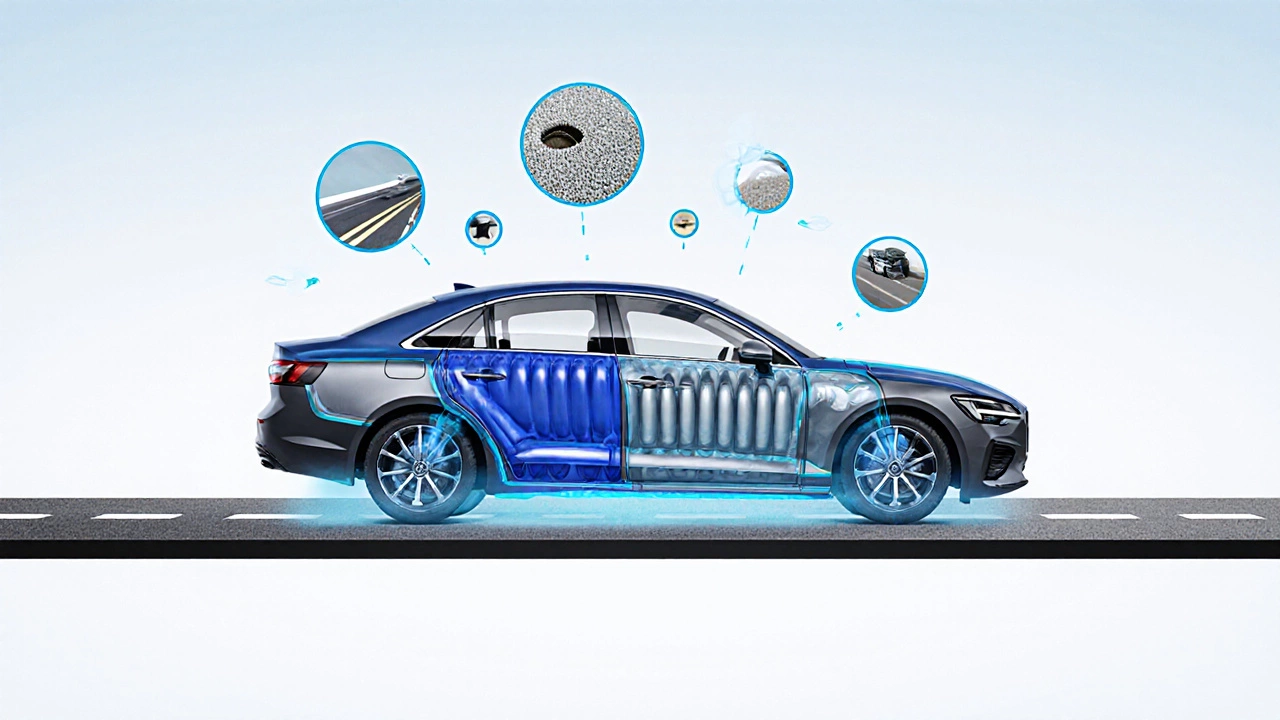
Hamilton has plenty of old concrete roads, winter potholes, and gravel side streets. Over the past two years, local mechanics have installed over 200 suspension upgrades on customer vehicles. The most common setups? Bilstein B6 shocks with Eibach springs on sedans, and Air Lift kits on minivans used for family hauls.
One customer, a school bus driver with a 2019 Toyota RAV4, swapped stock shocks for Bilstein B6s and added Eibach springs. He reported a 60% drop in complaints from passengers about discomfort. Another, a landscaper with a 2020 Honda Pilot, went with air suspension. He raises the ride height when hauling mulch and lowers it for highway driving.
These aren’t race cars. They’re everyday vehicles made better for real conditions.
Cost vs. Benefit: How Much Should You Spend?
Here’s a rough price breakdown for common upgrades on a mid-size sedan:
| Upgrade Type | Price Range | Installation Time | Long-Term Value |
|---|---|---|---|
| Bilstein B6 Shocks + Eibach Springs | $800-$1,200 | 3-5 hours | High - lasts 100,000+ miles |
| Adjustable Coilovers | $1,500-$2,500 | 4-6 hours | Very High - customizable, durable |
| Aftermarket Air Suspension Kit | $1,800-$3,000 | 6-8 hours | Moderate - needs occasional maintenance |
| Stock Replacement Shocks | $300-$500 | 2-3 hours | Low - returns you to factory ride |
Don’t just buy the cheapest. A $300 shock might save you money now, but if it fails in 20,000 miles, you’ll pay twice. The Bilstein B6s cost more upfront, but they’re built to last. Most come with a lifetime warranty.
Installation Tips
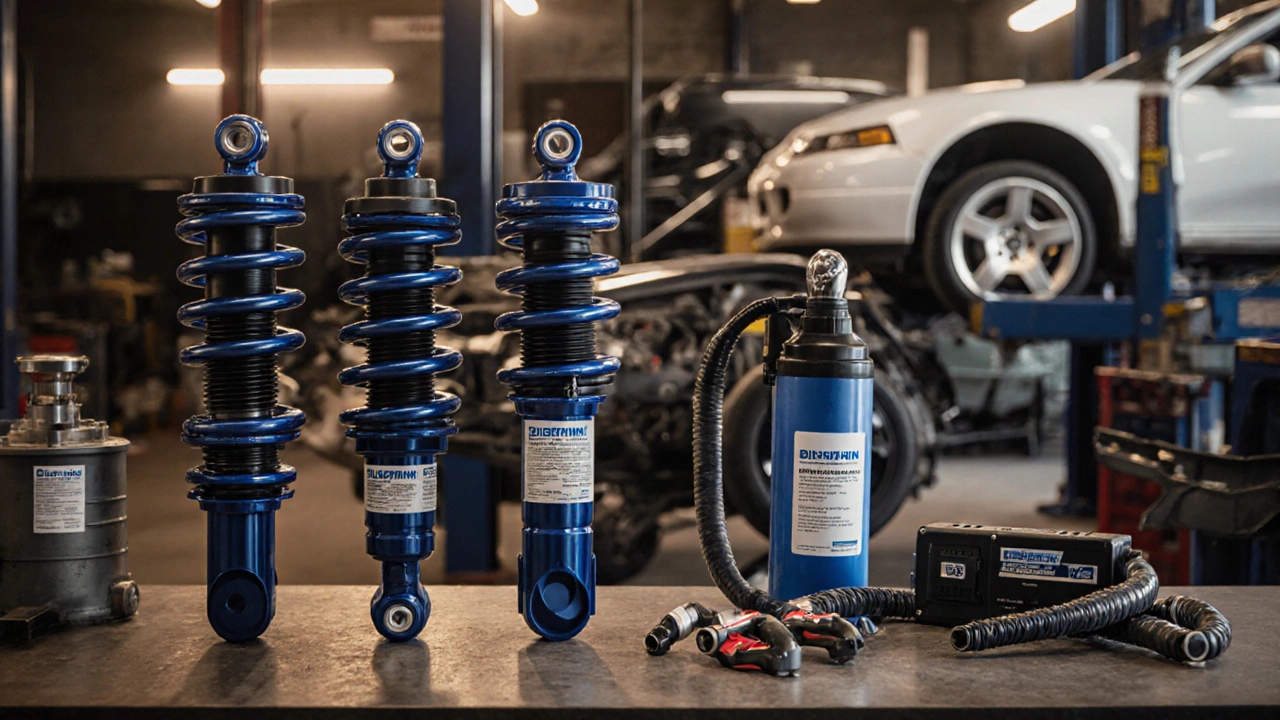
You can install shocks and springs yourself if you have basic tools and a jack stand. But here’s what most people miss:
- Always replace shocks in pairs-front or rear. Mixing old and new causes uneven handling.
- Get a wheel alignment after installation. Changing spring height affects toe and camber angles.
- Test drive slowly at first. New suspensions can feel different for the first 100 miles as they settle.
- Check for rubbing or clearance issues after raising the ride height. Some kits require fender trimming.
If you’re not confident, pay for professional installation. A good shop will check your control arms, bushings, and sway bar links while they’re at it. Worn parts can ruin even the best suspension setup.
When to Skip the Upgrade
Not every car needs a new suspension. If your vehicle is over 15 years old and has more than 180,000 miles, it might not be worth the investment. At that point, the frame, control arms, or subframes could be worn out too.
Ask yourself: Is the car structurally sound? Are the tires still gripping well? Is the steering tight? If the answer is no to any of these, fix the bigger issues first.
Also, if you drive mostly on highways and only hit bumps occasionally, stock suspension might be fine. Upgrades are for people who live with bad roads every day.
Final Recommendation
For most drivers on bumpy roads, the best option is a set of Bilstein B6 shocks paired with Eibach progressive springs. It’s affordable, reliable, and gives you a noticeable improvement without turning your car into a monster truck.
If you carry heavy loads or want maximum flexibility, go with an air suspension kit. It’s pricier, but you control the ride every time you get in the car.
And if you’re serious about comfort and performance, and you drive the same route daily-whether it’s the Lake Ontario shoreline or the backroads of Ancaster-adjustable coilovers are worth every penny.
There’s no magic bullet. But the right suspension turns frustration into control-and that’s worth more than you think.
Can I just replace the shocks and keep the stock springs?
Yes, you can, but it’s not ideal. Stock springs are often worn or too soft for new shocks. Pairing new shocks with old springs can lead to uneven damping, poor ride quality, and faster wear on both parts. For the best results, replace shocks and springs together.
Do I need to upgrade both front and rear suspension?
Always. If you upgrade only the front, the rear will bounce more, making the car feel unbalanced. This can cause instability during braking or cornering. Even if the rear looks fine, replacing both ends ensures even handling and predictable behavior.
How often should I check my suspension?
Check your suspension every 20,000 miles or once a year, whichever comes first. Look for oil leaks on shocks, cracks in rubber bushings, and loose bolts. If your car feels bouncier than usual or leans too much in turns, don’t wait-get it inspected.
Will a better suspension improve my tire life?
Yes. A worn suspension causes uneven tire wear-cupping, feathering, or one-sided wear. A properly tuned suspension keeps tires flat on the road, reducing wear and extending tire life by up to 25%.
Can air suspension handle winter conditions?
Yes, but you need to maintain it. Salt and moisture can corrode air lines and fittings. Use a winter-grade air compressor, keep the system dry, and consider installing a moisture trap. Some kits come with sealed components designed for cold climates-ask your supplier.