 Jan, 27 2026
Windscreen Wiper Problem Checker
Identify Your Wiper Issue
Wiper Replacement Timer
Check when to replace your wipers based on usage
Ever been driving in the rain and realized your windscreen wipers aren’t clearing the glass properly? You’re not alone. Millions of drivers deal with smearing, chattering, or complete wiper failure every year - and most of them don’t know why. Windscreen wipers seem simple, but when they stop working right, they turn a routine drive into a dangerous one. The problem isn’t always the blades. It could be the arms, the motor, or even the windshield itself.
Why Do Windscreen Wipers Leave Streaks?
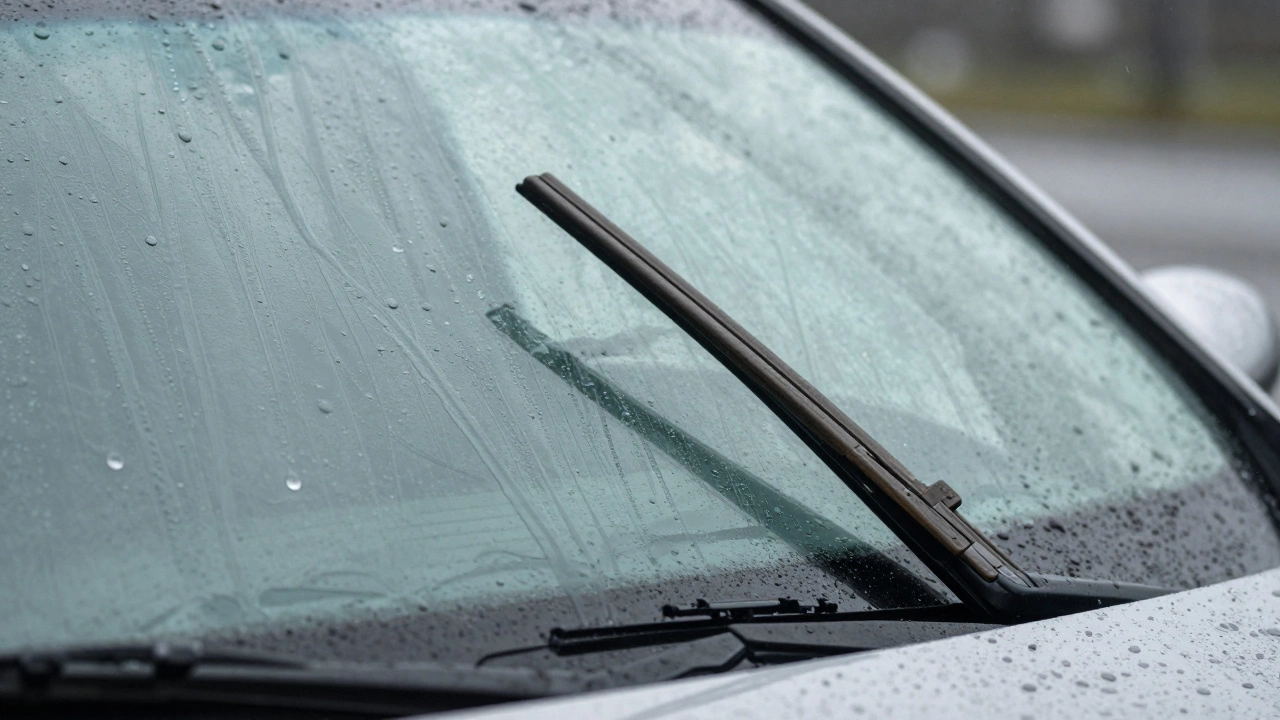
Streaking is the most common complaint. You turn on the wipers, and instead of a clear view, you get blurry smears that make visibility worse than no wipers at all. The usual suspect is worn rubber. Over time, UV rays, heat, and cold crack and harden the rubber edge. Once it loses its flexibility, it can’t conform to the curve of the windshield. That’s when it skips and leaves streaks.But it’s not always the blades. Dirt buildup on the windshield can do the same thing. Road grime, tree sap, or even wax residue from a car wash can create a film that the blades can’t cut through. Try cleaning the glass with isopropyl alcohol and a microfiber cloth. If the streaking stops, the problem was surface contamination - not the wipers.
Another hidden cause? Bent wiper arms. If the arm isn’t pressing evenly across the blade, one end lifts off the glass. That creates a gap where water pools and smears. A bent arm won’t show up in a visual inspection unless you’re looking closely. If one side of the windshield is always worse than the other, check the arm tension.
Noisy Wipers: What’s That Squeaking Sound?
That high-pitched squeak or chattering noise? It’s not just annoying - it’s a warning sign. Wipers should glide silently. If they’re screaming, something’s wrong.First, check the blade material. Cheap rubber blades degrade faster and stick to the glass. Silicone blades last longer and handle extreme temperatures better. If you’re using budget blades, upgrading might solve the noise without replacing anything else.
Second, look at the wiper arm pressure. Too little pressure = skipping. Too much pressure = dragging and squealing. Most arms have a spring mechanism that wears out after 3-5 years. If the arm feels loose or doesn’t snap back firmly when lifted, the spring is tired.
Third, dirty or damaged windshield edges can cause noise. Tiny chips or rough patches from stone impacts catch the blade edge. Run your finger along the top edge of the windshield. If it feels gritty or uneven, that’s your culprit. A professional glass polish can smooth it out - but if the damage is deep, replacement may be the only fix.
Wiper Blades That Don’t Move at All
If the wipers won’t move, it’s not always a blown fuse. Start simple: check the fuse box. Most cars have a dedicated fuse for the wiper system. If it’s blown, replace it with the same amperage. But if the new fuse blows right away, you’ve got a short circuit - likely in the motor or wiring.Next, listen for a humming sound when you turn on the wipers. If you hear it but no movement, the motor is trying to work but can’t turn the linkage. That’s usually a stripped gear inside the motor. These motors are sealed units - you can’t repair them. Replacement is the only option.
Less common, but just as serious: a broken linkage. The metal arms that connect the motor to the wiper blades can bend, rust, or snap. This is common in older cars or vehicles in salty climates. If the motor runs but the blades stay still, crawl under the hood and inspect the linkage. Look for rust, cracks, or missing bolts. A broken linkage won’t just stop the wipers - it can damage the motor if left unchecked.
Wiper Arms That Don’t Return to Park
Ever notice your wipers stopping halfway across the windshield instead of tucking neatly at the bottom? That’s a park position failure. The wiper system has a small switch inside the motor housing that tells it when to stop. When that switch fails, the motor keeps running until you turn it off.This isn’t just inconvenient - it’s dangerous. If the wipers stop mid-swipe during heavy rain, you’re left with a huge blind spot. The fix? Replace the entire wiper motor assembly. The park switch isn’t sold separately in most cars. It’s built into the motor unit. Trying to repair it yourself usually ends in more damage.
Some drivers try to manually reposition the arms. Don’t. Forcing them can break the plastic gears or snap the splines on the wiper shaft. Always replace the motor if the park function fails.
When to Replace Windscreen Wipers
Most manufacturers say replace blades every 6 to 12 months. That’s a general rule - but real-world conditions vary. If you live in a place with harsh winters, intense sun, or dusty roads, replace them every 6 months. In mild climates, 12 months might be fine.Here’s how to tell if they’re done:
- Streaking after cleaning the windshield
- Chattering or skipping across the glass
- Cracked or brittle rubber - run your finger along the edge
- Missing pieces of rubber
- Wiper arm tension feels loose or uneven
Don’t wait for complete failure. A single bad blade can cause uneven wear on the windshield. Replace both blades at the same time, even if only one looks worn. They’re sold in pairs for a reason.
What About Premium Wiper Blades?
You’ve seen the ads: beam blades, aerodynamic designs, hydrophobic coatings. Do they work?Yes - but not always for the reasons you think. Beam blades (frameless designs) are more flexible and conform better to curved windshields. That means fewer streaks and less pressure on the glass. They’re also less likely to lift in high winds.
Hydrophobic coatings repel water. They’re great - but they wear off after 6-8 months. The coating isn’t permanent. It’s a surface treatment, not a magic fix.
For most drivers, a mid-range beam blade from a reputable brand (like Bosch, Rain-X, or Michelin) offers the best balance of performance and price. Avoid the $5 blades sold at gas stations. They’re made for short-term use and degrade fast.

How to Install New Wiper Blades
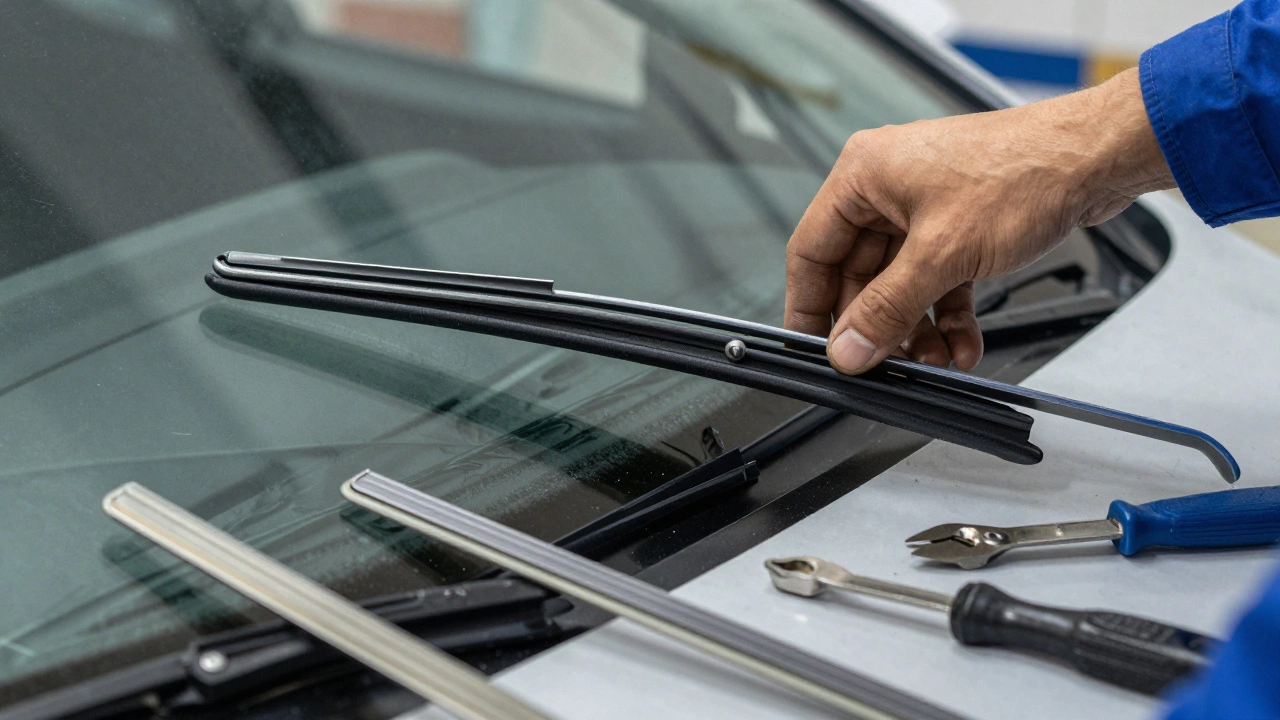
Replacing blades is one of the easiest car maintenance tasks. Here’s how:- Turn off the car and lift the wiper arm away from the windshield.
- Look for the release tab or button on the blade connector. Press it and slide the old blade off.
- Match the new blade to the old one - length and connector type must match.
- Slide the new blade onto the arm until you hear a click.
- Gently lower the arm back onto the windshield.
- Test with the washer fluid. Don’t dry-sweep - you’ll scratch the glass.
Pro tip: Wrap a towel around the windshield before lowering the arm. If it slips, the glass won’t crack.
What You Should Never Do
Don’t use your wipers to clear ice. That’s a common mistake. Frozen blades can snap the motor or tear the rubber. Scrape ice off first with a plastic ice scraper.
Don’t let the blades sit dry on a dusty windshield. Dust acts like sandpaper. Always spray washer fluid before wiping.
Don’t ignore a cracked windshield. Even a small chip can cause wiper noise and streaking. Get it repaired before the blades wear out faster than normal.
Final Thought: Wipers Are Safety Equipment
Windscreen wipers aren’t just convenience items. They’re critical safety gear. Studies show that poor visibility due to faulty wipers increases crash risk by up to 30% in rainy conditions. That’s not a small number. Replacing worn blades costs less than a tank of gas. Fixing a bent arm or bad motor might cost $150-$300 - but it’s cheaper than an accident.Check your wipers every time you fill up. A quick glance at the rubber and a test spray can save your life.