 May, 12 2026
Spark Plug Lifespan Estimator
Estimated Spark Plug Lifespan
You turn the key, and your car starts. It runs fine for a while. Then, suddenly, you feel a hesitation when accelerating. The fuel gauge seems to drop faster than usual. You might think it’s just an old car acting up, but often, the culprit is something small and cheap: your spark plugs. These tiny components are responsible for igniting the air-fuel mixture in your engine cylinders. When they fail prematurely, it doesn’t just mean a quick trip to the auto shop; it can lead to expensive engine damage if ignored.
Most modern cars come with spark plugs rated for anywhere between 30,000 to 100,000 miles. If yours are dying at 20,000 miles or even sooner, something is wrong. Understanding what shortens spark plug life isn't just about saving money on parts; it's about protecting your engine's health. Let’s look at the specific factors that kill these components early.
The Impact of Fuel Quality and Octane Rating
Fuel is the food for your engine, but not all fuel is created equal. One of the biggest reasons spark plugs wear out faster than expected is poor-quality gasoline. Cheap fuel often contains higher levels of impurities, such as sulfur and other additives that don’t burn cleanly. When these contaminants enter the combustion chamber, they leave behind residue on the spark plug electrodes. This buildup acts like insulation, preventing the spark from jumping the gap effectively. Over time, this carbon fouling weakens the spark and erodes the electrode material.
Another critical factor is the octane rating. Your vehicle’s manufacturer specifies a minimum octane rating for a reason. Using fuel with a lower octane rating than recommended can cause premature ignition, known as knocking or pinging. This uncontrolled explosion creates excessive heat and pressure within the cylinder. Spark plugs are designed to withstand high temperatures, but sustained overheating from knock can melt the electrodes or crack the ceramic insulator. Even if you don’t hear a distinct knocking sound, subtle pre-ignition events can degrade the plug surface over hundreds of cycles.
- Carbon Fouling: Caused by incomplete combustion due to low-quality fuel or rich air-fuel mixtures.
- Electrode Erosion: Accelerated by high heat from running low-octane fuel in engines designed for premium.
- Pre-Ignition Damage: Cracks in the ceramic insulator caused by thermal shock from abnormal combustion.
Engine Misfires and Rich Air-Fuel Mixtures
A perfectly tuned engine burns fuel efficiently. However, if your engine is running “rich,” meaning there is too much fuel and not enough air in the mixture, the excess fuel cannot fully combust. This leftover fuel coats the spark plugs in wet, oily deposits. This condition is often referred to as wet fouling. A wet spark plug cannot generate a strong spark because the fuel acts as a conductor, grounding the electricity before it can jump the gap. To compensate, the ignition system works harder, generating more voltage, which further stresses the plug and leads to rapid wear.
Misfires are both a symptom and a cause of spark plug failure. If one cylinder is misfiring due to a faulty injector or a vacuum leak, unburned fuel continues to wash over the spark plug in that cylinder. This creates a vicious cycle. The plug gets fouled, leading to more misfires, which leads to more fouling. In some cases, drivers notice a strong smell of raw gasoline from the exhaust or see black smoke coming from the tailpipe. These are clear signs that the air-fuel ratio is off, and your spark plugs are taking the hit.
| Symptom | Underlying Cause | Effect on Plug Life |
|---|---|---|
| Rough Idle | Fouled Electrodes | Reduces efficiency, increases wear |
| Poor Acceleration | Weak Spark | Causes incomplete combustion |
| High Fuel Consumption | Rich Mixture | Wet fouling shortens lifespan |
| Engine Knocking | Low Octane/Pre-ignition | Thermal damage to electrodes |
Oil Contamination and Engine Wear
In older vehicles or those with worn piston rings, engine oil can seep into the combustion chamber. This process is called blow-by. When oil enters the cylinder, it burns alongside the fuel. Unlike gasoline, oil does not burn completely clean. It leaves behind a thick, ash-like deposit on the spark plug tip. This is known as oil fouling. The layer of ash insulates the electrode, causing the spark to weaken and eventually fail entirely.
If you pull out your spark plugs and they look black and sooty, rather than dry and dusty, you likely have an oil contamination issue. This could be due to worn valve seals, degraded piston rings, or even using the wrong grade of motor oil. Some synthetic oils contain additives that can leave more residue than conventional oils, although modern formulations are generally safe. Regardless, if oil is reaching the plugs, the problem is mechanical, and simply replacing the plugs will only provide a temporary fix. The underlying engine wear must be addressed to prevent rapid recurrence.
Igntion System Failures and Voltage Spikes
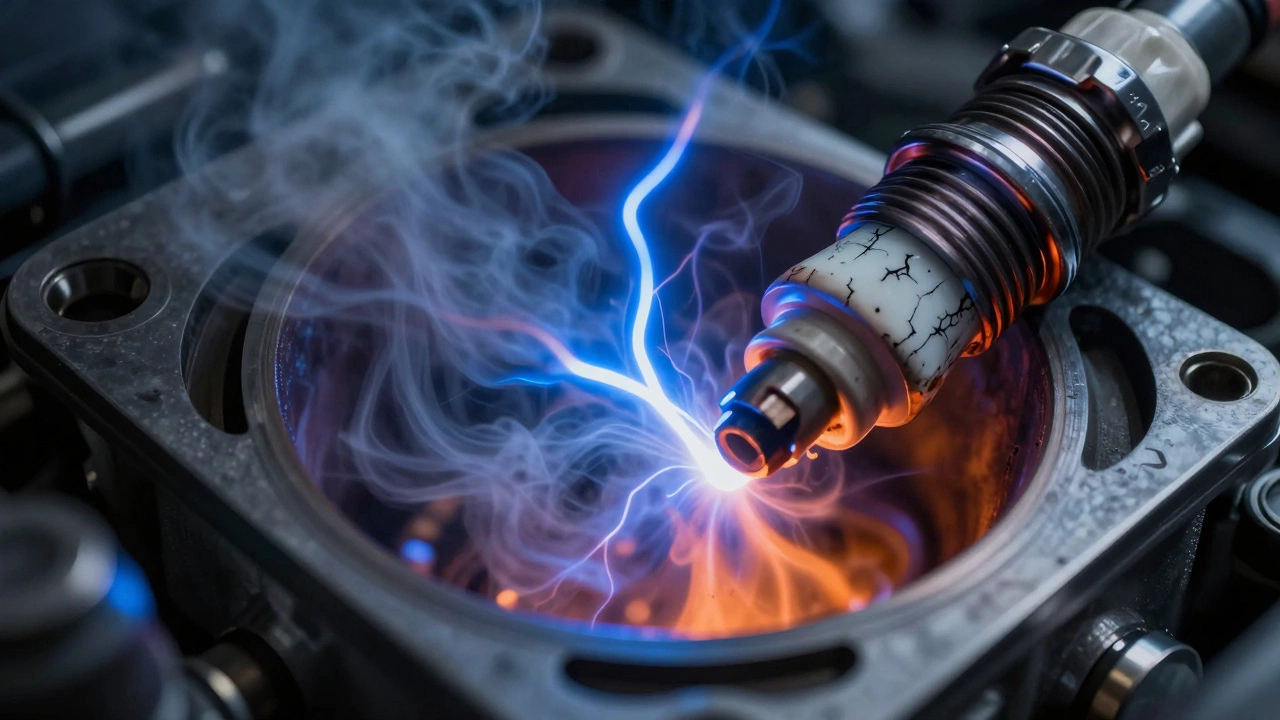
Spark plugs do not work in isolation. They are part of a larger ignition system that includes ignition coils, wires, and the engine control unit (ECU). If any of these components fail, the spark plugs suffer. For instance, a failing ignition coil may send inconsistent voltage spikes to the plug. Instead of a steady, reliable spark, the plug receives erratic bursts of energy. This electrical stress can crack the ceramic insulator or erode the center electrode unevenly.
Another common issue is damaged spark plug wires. In vehicles that still use traditional wires instead of coil-on-plug systems, resistance in the wire can increase over time due to heat and vibration. High resistance forces the ignition coil to work harder to deliver the necessary voltage. This extra effort generates more heat at the terminal end of the spark plug, leading to overheating and premature failure. Always inspect the entire ignition circuit when replacing plugs. Ignoring a bad coil or wire will kill the new plugs just as quickly as the old ones.
Driving Habits and Operating Conditions
How you drive your car plays a significant role in how long your spark plugs last. While it might seem counterintuitive, frequent short trips are harder on spark plugs than long highway drives. During short trips, the engine often does not reach its optimal operating temperature. A cold engine requires a richer fuel mixture to run smoothly. This means more unburned fuel and moisture remain in the combustion chamber, leading to carbon buildup and corrosion on the spark plugs.
Conversely, aggressive driving habits, such as constant high-RPM shifts and hard acceleration, generate extreme heat in the cylinders. While modern spark plugs are designed to handle high performance, sustained abuse can exceed their thermal limits. This is particularly true for standard copper plugs, which wear out much faster than iridium or platinum alternatives under high-stress conditions. If you tow heavy loads or drive in stop-and-go traffic regularly, consider upgrading to longer-lasting plug materials.
- Short Trips: Prevents engine warm-up, causing condensation and carbon buildup.
- Hard Acceleration: Increases cylinder temperature, accelerating electrode erosion.
- Towing Heavy Loads: Sustains high engine load, increasing thermal stress on plugs.
- Idling: Prolonged idling can lead to incomplete combustion and fouling.
Environmental Factors and Air Filtration
Dust, dirt, and debris in the air you breathe affect your engine just as they affect your lungs. A clogged or dirty air filter restricts airflow, causing the engine to run rich. As mentioned earlier, a rich mixture leads to carbon fouling. Additionally, if the air filter is compromised, allowing dust particles to enter the intake manifold, these abrasive particles can pass through the valves and into the combustion chamber. While rare, large particles can physically damage the spark plug electrodes or scratch the cylinder walls, leading to compression leaks and further plug issues.
Humidity and salt air, common in coastal areas like Hamilton, Canada, can also contribute to corrosion. Moisture can seep into the spark plug wells, especially if the engine cover is not sealed properly. Salt accelerates rust and corrosion on the metal threads and terminals of the spark plugs. Corroded connections increase electrical resistance, leading to misfires and eventual failure. Regular inspection of the engine bay for signs of moisture intrusion is essential in humid climates.
Preventing Premature Spark Plug Failure
To extend the life of your spark plugs, start with regular maintenance. Replace your air filter according to the manufacturer’s schedule. Use high-quality fuel with the correct octane rating specified in your owner’s manual. Avoid buying the cheapest gas available, as the savings are rarely worth the risk of engine damage. Monitor your engine’s performance. If you notice rough idling, hesitation, or increased fuel consumption, get it checked immediately. Early detection of misfires or rich mixtures can save you from costly repairs.
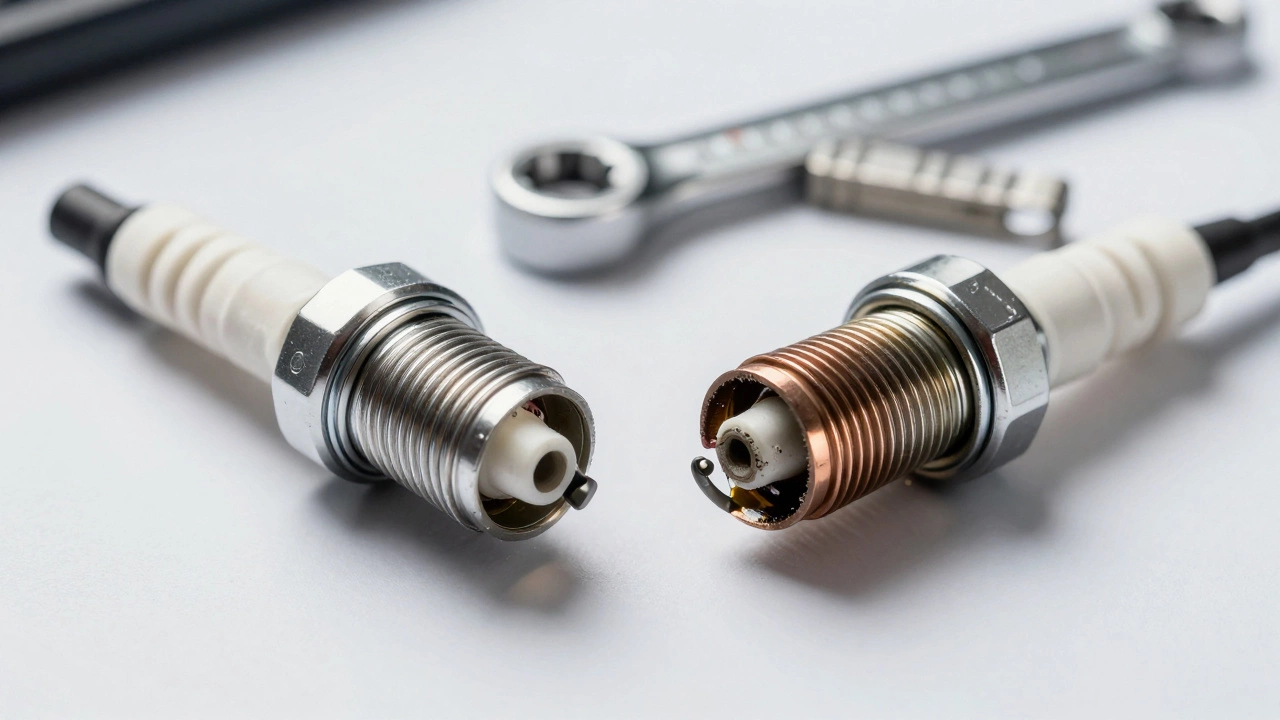
When it comes time to replace your spark plugs, choose the right type for your vehicle. Iridium and platinum plugs offer superior durability and performance compared to standard copper plugs. Although they cost more upfront, they last significantly longer and maintain better efficiency over time. Ensure that the plugs are installed correctly with the proper torque specification. Over-tightening can crack the ceramic insulator, while under-tightening can lead to compression leaks and overheating. Following these steps will help ensure your spark plugs last as long as they are designed to.
How often should spark plugs be replaced?
Replacement intervals vary by plug material. Standard copper plugs typically need replacement every 30,000 miles. Platinum plugs last around 60,000 miles, while iridium plugs can last up to 100,000 miles or more. Always consult your vehicle’s owner manual for the specific recommendation.
Can bad spark plugs damage the catalytic converter?
Yes. If spark plugs are misfiring, unburned fuel enters the exhaust system. This fuel can ignite in the catalytic converter, causing it to overheat and melt. Replacing a catalytic converter is significantly more expensive than replacing spark plugs.
What does a fouled spark plug look like?
A carbon-fouled plug appears black and sooty. An oil-fouled plug looks wet and oily with grayish deposits. A normal plug should have a light tan or gray color on the electrodes and insulator nose.
Is it safe to drive with bad spark plugs?
It is not recommended. Driving with bad spark plugs reduces fuel efficiency, increases emissions, and can cause engine misfires that may damage the catalytic converter or ignition coils. Address the issue as soon as possible.
Do spark plugs need to be gapped when installing new ones?
Many modern spark plugs come pre-gapped from the factory. However, it is good practice to check the gap with a feeler gauge to ensure it matches the manufacturer’s specifications. Incorrect gap can lead to poor performance and premature wear.