 Sep, 4 2026
Air Filter Impact Estimator
Enter your vehicle details to estimate the financial and performance impact of installing a new air filter.
You swap out your air filter and expect the car to feel like it just got a caffeine shot. But does it actually? The honest answer is: probably not in the way you hope. If you're driving a modern fuel-injected vehicle, you likely won't notice a dramatic surge in power or a sudden drop in gas prices just because you installed a clean filter. However, that doesn't mean the change is useless. It’s more about preventing a slow, invisible decline than chasing a quick win.
Most drivers treat their air filter like a magic button for performance. They see those glossy ads for high-flow filters promising "15 extra horsepower" and assume their current clogged sponge is strangling their engine. Here is the reality check: your car's computer (the ECU) is incredibly good at compensating for restricted airflow. It adjusts the fuel mixture and timing automatically. So, when you replace a dirty filter with a new one, the computer simply tweaks its calculations back to normal. You don't get a boost; you just stop losing what you already had.
The Myth of Instant Horsepower
Let’s break down why you don’t feel a difference immediately. Modern engines are closed-loop systems. When an air filter gets dirty, less air reaches the combustion chamber. To keep the engine running smoothly, the sensors detect this restriction. The ECU then reduces the amount of fuel injected to maintain the correct air-to-fuel ratio. This process happens so gradually that you never really notice the loss until it becomes severe enough to cause hesitation or rough idling.
If you replace that filter today, the ECU notices the increased airflow and adds slightly more fuel to match it. The net result? Your engine runs exactly as efficiently as it was designed to. You haven't gained anything new; you've just restored baseline efficiency. Think of it like cleaning your glasses. You don't suddenly see better than 20/20 vision; you just stop seeing blurry spots. If your vision was fine before, cleaning them makes no visual difference. Same logic applies here.
| Metric | Clogged Filter Impact | New Filter Benefit | Driver Perception |
|---|---|---|---|
| Horsepower | Minor reduction (1-3%) due to restriction | Restores original spec | Unnoticeable unless severely clogged |
| Fuel Economy | Slight decrease due to inefficient burn | Optimizes combustion efficiency | Hard to track without long-term data |
| Throttle Response | Laggy or hesitant acceleration | Snappier initial response | Noticeable in older cars or heavy traffic |
| Engine Sound | Duller intake note | Clearer induction roar | Audible only with open-air setups |
When You Actually Will Feel It
There are specific scenarios where swapping the engine air filter creates a tangible difference. These usually involve extreme neglect or specific driving conditions. If you live in a dusty area-like the agricultural belts around Hamilton or rural Ontario-and you’ve been skipping changes for 30,000 miles, the filter might be packed tight with debris. In this case, the restriction is significant enough that the ECU can’t fully compensate. You might experience sluggish acceleration when merging onto the highway or climbing hills.
In these cases, replacing the filter restores proper airflow dynamics. You’ll notice the car feels lighter on its feet during hard acceleration. This isn't added power; it's removed resistance. It’s similar to taking off a heavy backpack. You aren't stronger, but moving feels easier. Drivers often report this "peppiness" returning after a major cleanup service, which includes spark plugs and throttle body cleaning alongside the filter. Isolating the filter alone rarely gives this effect unless it was truly catastrophic.
Fuel Economy: The Invisible Gain
Can a new air filter save you money at the pump? Technically, yes, but practically, it’s tricky to prove. A dirty filter forces the engine to work harder to draw in air, which can lead to incomplete combustion. Unburnt fuel exits through the exhaust, wasting energy. By ensuring optimal airflow, you help the engine burn fuel more completely.
Studies from the Department of Energy suggest that a severely clogged filter could reduce fuel economy by up to 14% in older carbureted vehicles. For modern fuel-injected cars, the impact is much smaller, typically under 2%. Let’s do the math. If you drive 15,000 km a year and get 8L/100km, saving 1% means roughly 12 liters saved annually. At $1.60 per liter, that’s about $19. A quality filter costs $15-$25. You’re breaking even over two years. Not a jackpot, but worth it for peace of mind.
Protecting Your Engine Matters More Than Performance
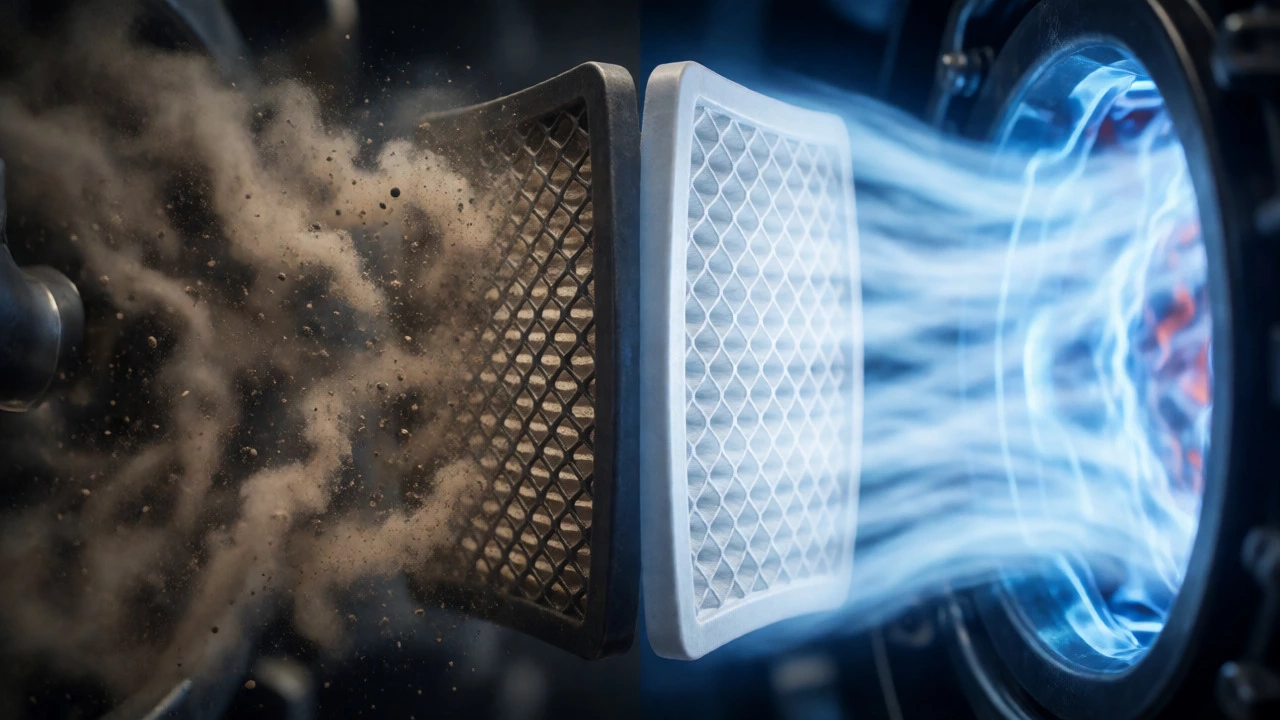
Stop thinking about the air filter as a performance part. Start viewing it as an insurance policy for your engine. Its primary job is to keep dirt, sand, pollen, and road grit out of your cylinders. Modern engines have tighter tolerances than ever. Even small particles can score cylinder walls or damage turbocharger blades over time.
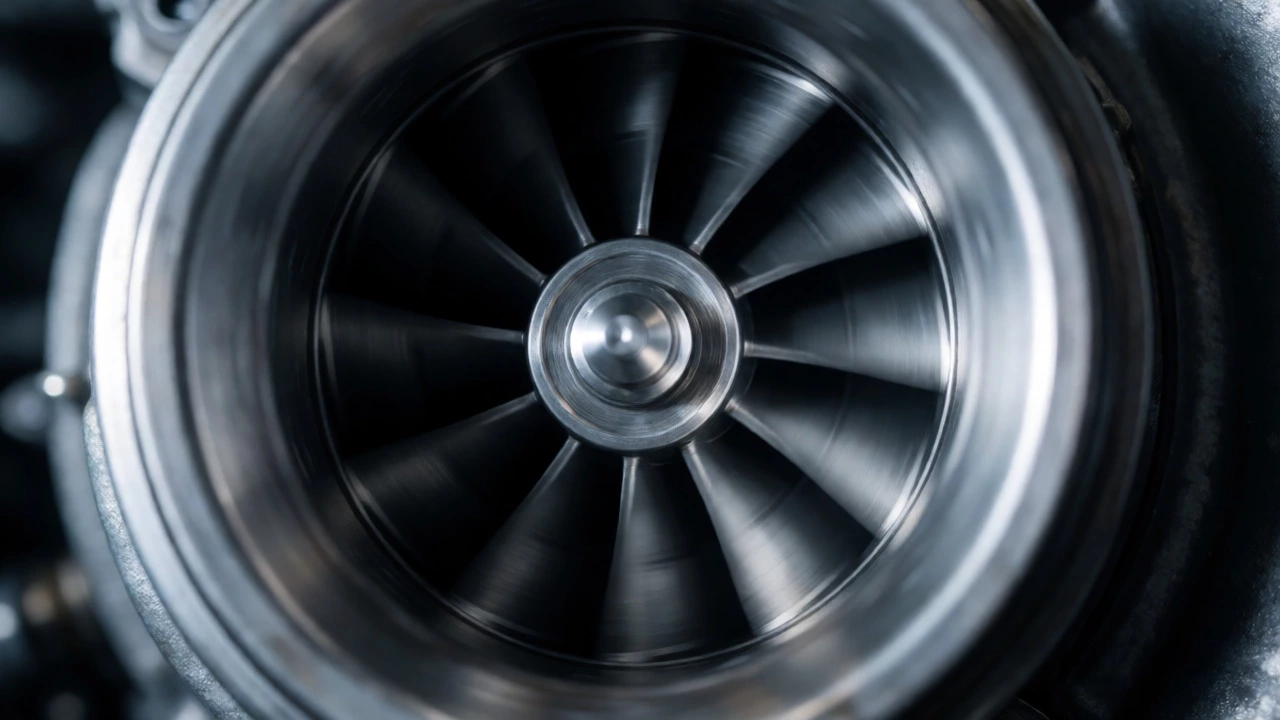
Consider a turbocharged engine. Turbos spin at speeds exceeding 100,000 RPM. Debris entering the intake can erode the compressor wheel, leading to expensive repairs. A cheap $20 filter protects components costing thousands. You won't feel the protection happening day-to-day, but you'll appreciate it when your mechanic doesn't quote you for a new turbo assembly at 150,000 km.
Aftermarket vs. OEM: Does Brand Matter?
Should you buy a K&N reusable filter or stick with the paper one from the dealership? This is where perception meets engineering. Paper filters (OEM style) are excellent at trapping fine particles. They are disposable and cheap. High-flow cotton gauze filters (like K&N) allow more air to pass through but may let slightly larger particles slip past if not maintained perfectly.
For daily driving, most automotive engineers recommend sticking with OEM-spec paper filters. They offer the best balance of filtration efficiency and cost. Aftermarket high-flow filters shine in modified cars where airflow is the bottleneck. On a stock Honda Civic or Toyota Camry, the factory airbox design limits airflow more than the filter does. Swapping to a high-flow unit yields negligible gains while potentially compromising filtration. Save the upgrades for when you modify the entire intake system.
How to Check If Yours Is Dirty
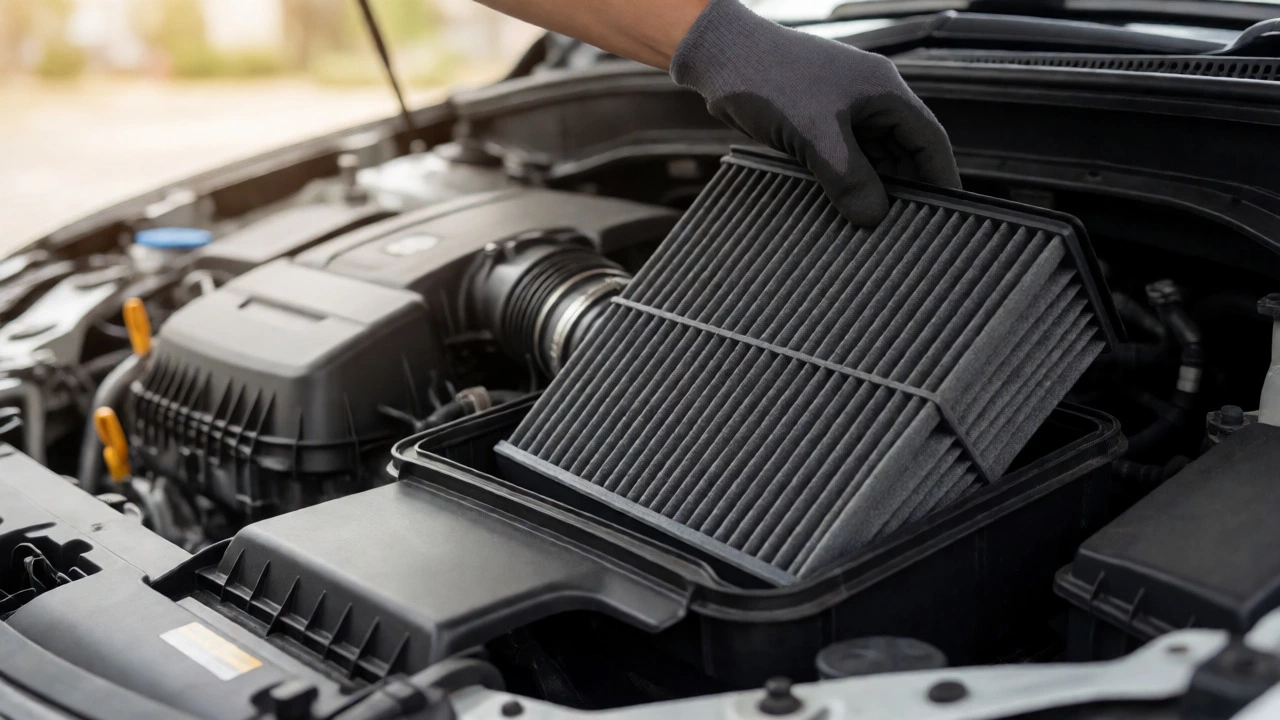
Don't guess. Open the hood and look. Most modern cars have easy-access airboxes secured by clips or screws. Pull the filter out and hold it up to sunlight. If you can see light passing through the pleats evenly, it’s still good. If large patches are dark gray or black, or if you see visible debris, replace it.
- Visual Inspection: Look for tears, warping, or oil saturation (if you have an oiled filter).
- Smell Test: A musty smell indicates mold growth, common in humid climates.
- Touch Test: Gently tap it against a hard surface. If dust clouds rise, it’s saturated.
Remember, mileage intervals are guidelines, not laws. If you drive on gravel roads or in construction zones, cut the interval in half. Checking every oil change (every 5,000-7,500 km) takes ten seconds and saves headaches later.
Troubleshooting Common Misconceptions
Some drivers claim they hear a louder engine after changing the filter. This is often psychological or due to a loose airbox seal. If the housing isn't sealed tightly, unmetered air enters the engine, causing a lean condition and a whistling noise. Always ensure the rubber gaskets seat properly. Another myth: "A new filter makes my AC blow colder." False. The cabin air filter affects your AC, not the engine air filter. Don't confuse the two. They sit in different places and serve different masters.
Ultimately, will you notice a difference? Probably not right away. But your engine will thank you silently every mile you drive. It’s a low-cost maintenance task that keeps your car healthy, even if it doesn't give you a thrill ride. Keep it clean, keep it simple, and focus on bigger performance mods if you want excitement.
Does a dirty air filter affect acceleration?
Yes, but usually only when it is severely clogged. Modern ECUs compensate for minor restrictions, so slight dirt buildup has little impact. Extreme blockage causes hesitation and reduced power, especially under load like towing or hill climbing.
How often should I change my air filter?
Check your owner's manual, but a general rule is every 15,000 to 30,000 kilometers. If you drive in dusty conditions, inspect it every 10,000 kilometers. Visual inspection is always better than strict mileage adherence.
Will a new air filter improve gas mileage?
Marginally. While it optimizes combustion efficiency, the actual savings are small (often less than 2%). It prevents waste rather than adding significant gain. Long-term consistency matters more than immediate jumps.
Is it bad to drive without an air filter?
Yes. Dirt and debris enter the engine, scoring cylinder walls and damaging valves. It acts like sandpaper inside your engine. Never run without a filter, even for short distances.
Do expensive filters perform better?
Not necessarily for daily drivers. OEM paper filters offer superior particle capture. Expensive high-flow filters trade some filtration for airflow, which benefits modified engines more than stock ones.