 May, 1 2026
Oil Change Interval Calculator
Select Your Oil Type
Check Your Driving Conditions
Select any conditions that apply to your regular driving routine. These factors degrade oil faster.
There is a dangerous myth floating around garage forums and social media: that you can push your oil change to 15,000 or even 20,000 miles if you just use "high-quality" oil. It sounds appealing. Who doesn't want to save time and money on routine maintenance? But here is the hard truth: stretching your oil change interval too far is one of the fastest ways to turn a cheap fix into a catastrophic engine failure.
The question isn't really about how long you *can* go without changing it-it's about how much risk you are willing to take with your vehicle's most critical component. Engine oil does not just lubricate; it cools, cleans, and protects against corrosion. When it breaks down, those protections vanish. By the time you see blue smoke from the exhaust or hear a grinding noise, the damage is often irreversible.
What Actually Happens Inside Your Engine?
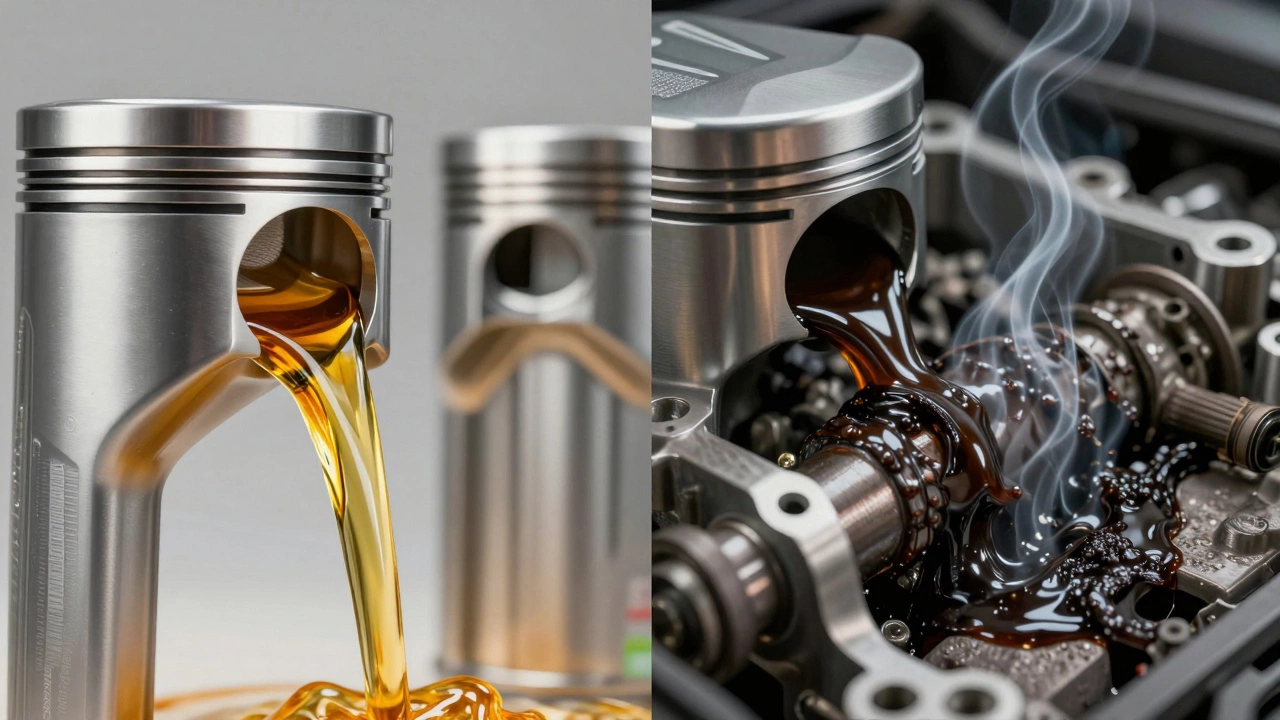
To understand why timing matters, you have to look at what engine oil is a complex fluid mixture designed to reduce friction between moving metal parts in an internal combustion engine actually does. It acts as a barrier between pistons and cylinder walls. It carries heat away from hot spots where cooling systems can't reach. Most importantly, it suspends microscopic contaminants-dirt, metal shavings, carbon deposits-and holds them until they get filtered out.
Over time, this fluid degrades. Heat causes oxidation, which turns the oil into sludge. Shear forces break down the additive package that prevents wear. As the oil thickens or thins unpredictably, it loses its ability to protect. If you ignore the warning signs, you aren't just driving with dirty oil; you are driving with sandpaper inside your engine.
The Golden Rule: Follow the Manufacturer, Not the Calendar
If there is one rule to live by, it is this: trust your owner's manual over any mechanic who tells you to change oil every 3,000 miles unless you drive under extreme conditions. Modern engines are precision instruments. They require specific viscosity grades and additive packages tailored to their design.
- Conventional Oil: Typically lasts 5,000 to 7,500 miles. This is the baseline for older vehicles or those not equipped for synthetic blends.
- Synthetic Blend: Usually good for 7,500 to 10,000 miles. It offers better protection than conventional but isn't as robust as full synthetic.
- Full Synthetic: Can last 10,000 to 15,000 miles. Many modern luxury cars and high-performance vehicles come with factory intervals set to 10,000+ miles using full synthetic.
Note that these are maximums under "normal" driving conditions. What counts as normal? Mostly highway cruising at steady speeds. If your reality involves stop-and-go traffic, short trips where the engine never fully warms up, or towing heavy loads, you need to cut those intervals in half.
Signs Your Oil Has Passed Its Expiration Date
Your car will tell you when something is wrong if you know how to listen. Ignoring these signals is like ignoring a check-engine light because you're busy. Here are the concrete signs that your oil needs immediate attention:
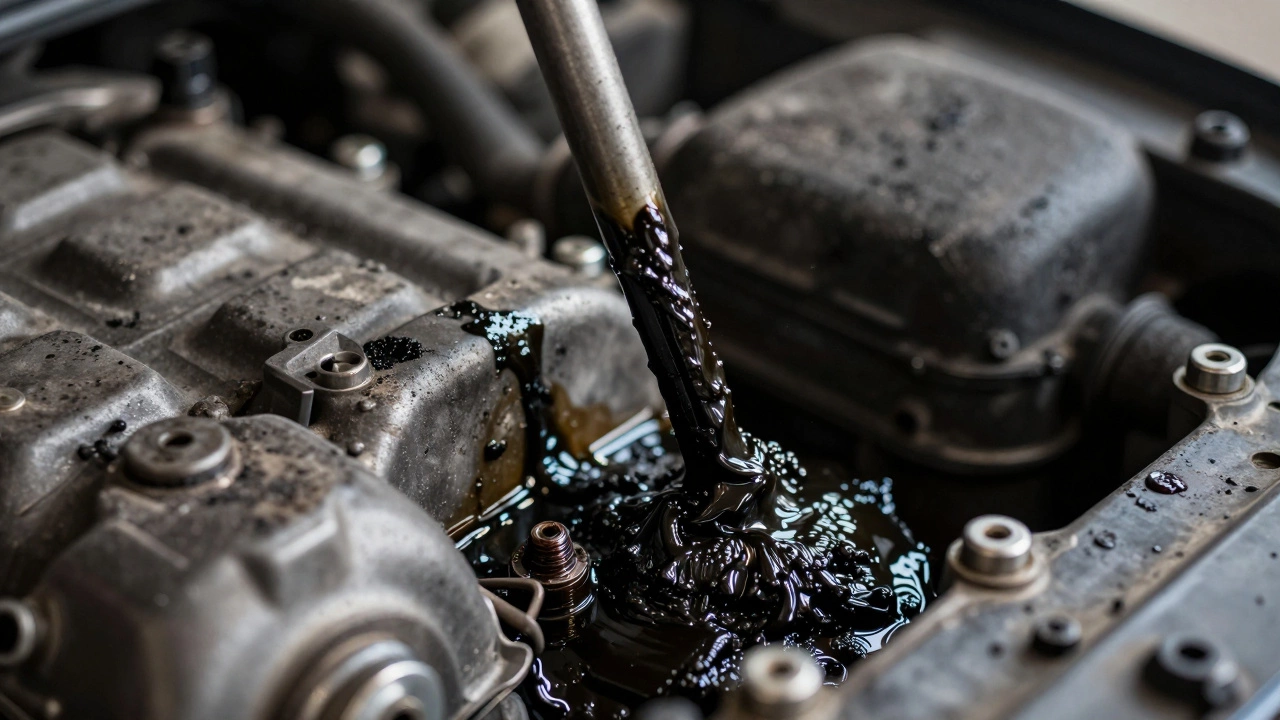
- Dull, Dirty Appearance: Fresh oil is amber or light brown. Old oil is black and opaque. Pull your dipstick, wipe it clean, reinsert it, and pull it again. If it looks like crude oil, it's done.
- Burning Smell: A distinct burnt odor inside the cabin or near the hood suggests oil is leaking onto hot exhaust components or has overheated and broken down.
- Loud Engine Noise: Ticking, knocking, or rumbling noises mean metal parts are rubbing together without sufficient lubrication. This is urgent.
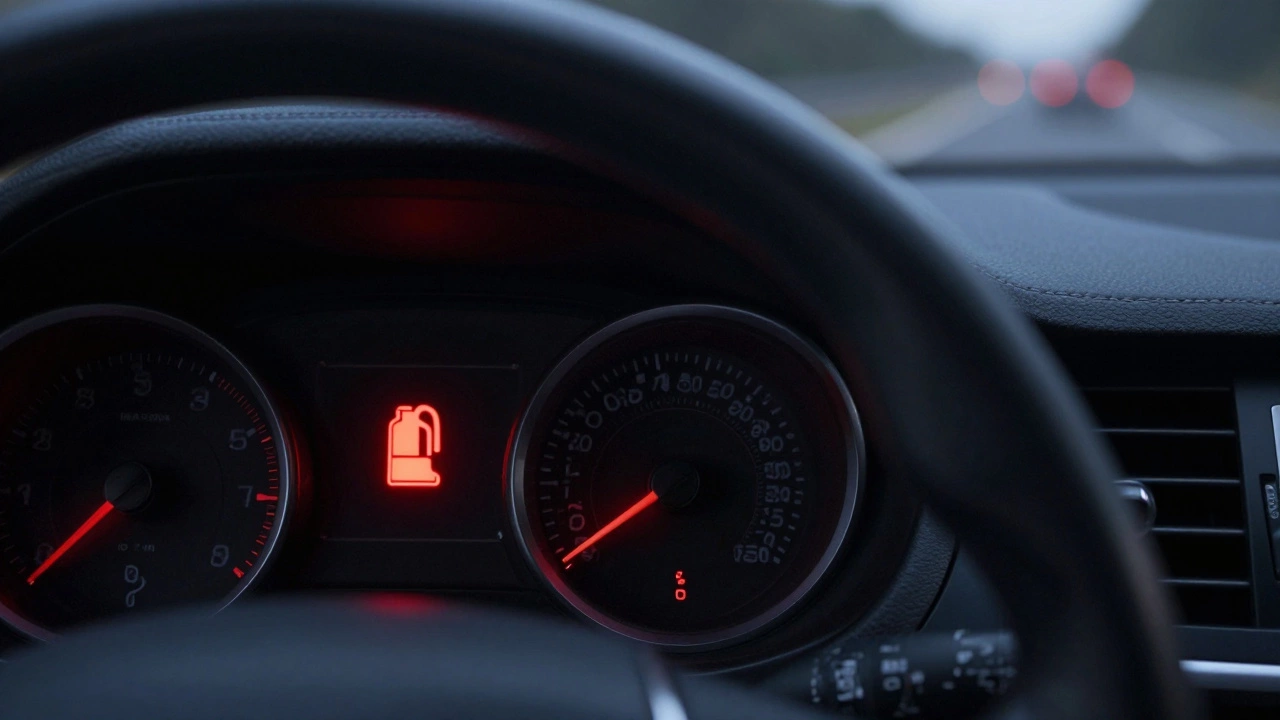
- Oil Warning Light: If the red oil can icon lights up on your dashboard, pull over immediately. Low pressure means low flow, which means imminent seizure.