Oil Change Interval: When to Change Your Engine Oil for Maximum Life
When it comes to your car’s engine, the oil change interval, the recommended time or distance between engine oil changes. Also known as oil service interval, it’s not just a suggestion—it’s the difference between a engine that lasts 200,000 miles and one that dies at 80,000. Most drivers think they need to change oil every 3,000 miles, but that’s an old rule from the 1970s. Modern engines and synthetic oils can go much longer—some up to 15,000 miles—depending on how you drive and what oil you use.
The real engine oil, a lubricant that reduces friction, cools engine parts, and removes contaminants. Also known as motor oil, it breaks down over time from heat, dirt, and combustion byproducts. If you use the wrong type—say, 5W-30 when your manual says 0W-20—you’re not just wasting money, you’re risking internal damage. The oil viscosity, a measure of how thick or thin the oil flows at different temperatures. Also known as oil weight, it matters more than you think. Too thick, and the oil won’t reach critical parts fast enough on cold starts. Too thin, and it can’t protect under heavy load. Synthetic oil, unlike conventional, holds up better under heat and lasts longer, which is why many manufacturers now recommend it.
Here’s what actually changes your oil change interval: short trips in cold weather? Oil doesn’t get hot enough to burn off moisture, so it turns sludge faster. Towing heavy loads? Heat builds up, and oil degrades quicker. Aggressive driving? More stress means more wear. Your car’s oil life monitor, if it has one, is usually accurate—but only if you reset it after every change. Don’t ignore it. And if your manual says 7,500 miles, don’t assume you need to go every 5,000 unless you’re driving in extreme conditions.
Some people swear by oil analysis tests—sending a sample to a lab to check for metal particles and contamination. It’s not for everyone, but if you’re keeping a car for over 150,000 miles, it’s a smart way to know exactly when your oil is done. Most drivers don’t need it, but they do need to know their car’s real needs. Not the dealer’s upsell. Not the shop’s blanket recommendation. Not what your buddy does.
What you’ll find below are real, no-fluff guides on how to pick the right oil, how to interpret your car’s oil life system, what happens when you skip changes, and how to spot early signs of oil-related engine trouble. These aren’t theory pieces—they’re practical fixes and checks from people who’ve been there. Whether you’re changing your own oil or just trying to understand why your mechanic says you’re due, this collection cuts through the noise.
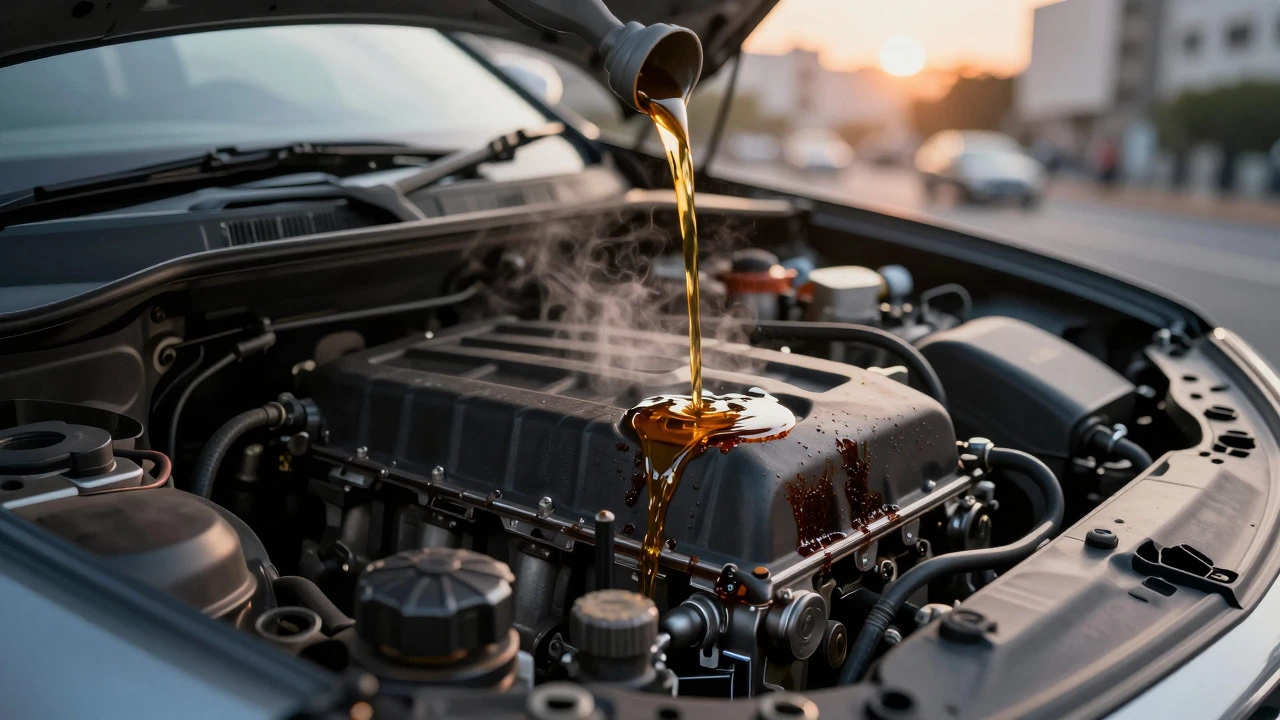
What Happens If You Go Over 5,000 Miles Between Oil Changes? Risks & Costs
Discover the real risks of delaying your oil change beyond 5,000 miles. Learn about sludge buildup, engine wear, and how synthetic oil compares to conventional options.
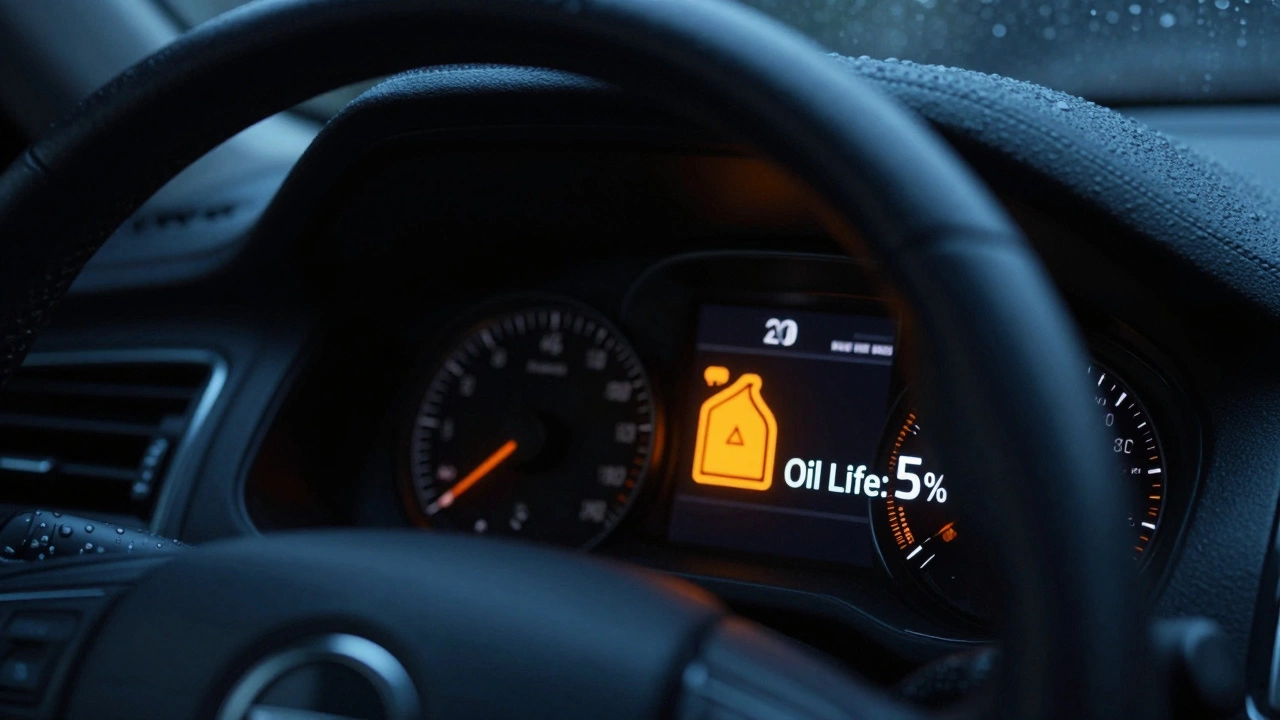
How Many Miles Can You Go Past an Oil Change? Risks and Real Limits
Discover the real risks of driving past your oil change interval. Learn how many miles are safe, the difference between oil types, and signs of engine damage to avoid costly repairs.
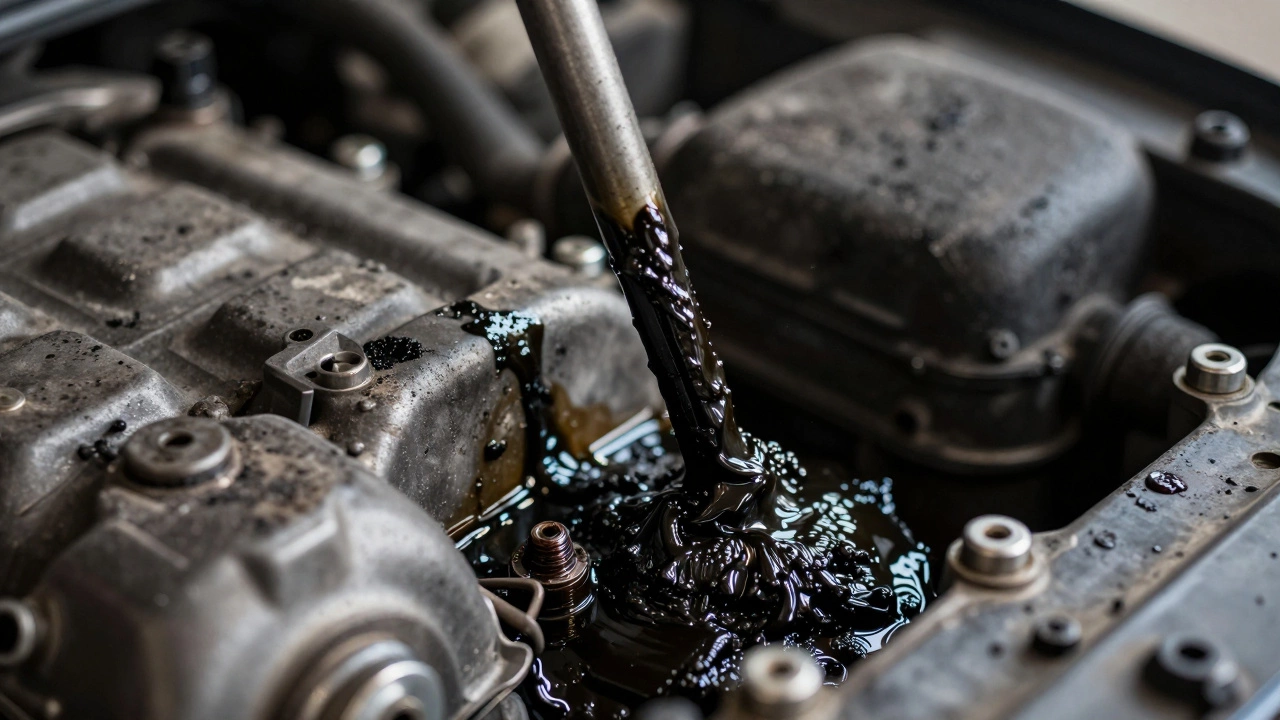
How Long Can You Go Without an Oil Change? The Real Risks and Rules
A period of 6 months or more during which a vehicle sits idle, causing oil to degrade due to moisture accumulation and additive separation, regardless of mileage driven.
Many people think if they don't drive much, they don't need to change their oil. This is a costly mistake. Oil degrades chemically even when sitting still. Moisture from combustion cycles condenses in the crankcase. Acids form. Additives settle out. If your car sits for six months or more, change the oil anyway. Water in your oil system leads to rusted bearings and corroded surfaces.
The Cost of Waiting Too Long
Let's talk numbers. An oil change costs anywhere from $40 to $100 depending on your location and oil type. Replacing a failed engine? That starts at $2,000 for a used swap and goes up to $8,000+ for a new unit. Plus, you lose your car for weeks.
Consider the scenario of a driver who pushes synthetic oil to 20,000 miles because they read a forum post saying it was fine. At mile 18,000, sludge builds up in the oil pickup screen. The pump starves for oil. The camshaft lobes wear down. The engine seizes. The repair bill dwarfs the cost of three extra oil changes. Is saving $50 worth risking $5,000?
| Oil Type | Average Interval (Miles) | Average Interval (Months) | Best For |
|---|---|---|---|
| Conventional | 5,000 - 7,500 | 6 months | Older vehicles, budget-conscious drivers |
| Synthetic Blend | 7,500 - 10,000 | 6-9 months | Mixed driving conditions, moderate performance |
| Full Synthetic | 10,000 - 15,000 | 6-12 months | Modern engines, high performance, extreme temps |
Common Myths Debunked
Myth 1: "Dark oil means it's dirty." Not necessarily. Modern detergents in oil do their job by pulling dirt off engine walls and suspending it in the fluid. So dark oil can actually mean it's working well. However, if it's gritty or smells bad, that's different.
Myth 2: "I only drive 2,000 miles a year, so I don't need to change it." False. As mentioned, chemical breakdown happens over time. Change it annually at minimum.
Myth 3: "Top-ups are enough." Adding oil raises the level but does not restore lost additives or remove contaminants. Think of it like adding fresh water to a muddy puddle-it’s still muddy.
How to Track Your Oil Life Accurately
Don't rely on memory. Use tools. Most modern cars have an Oil Life Monitor (OLM) that calculates remaining life based on engine temperature, RPM, and driving style. Trust it, but verify it. Keep a simple log in your phone notes: date of last change, mileage, and oil type. Set a reminder for 90% of the recommended interval. If your manual says 10,000 miles, set the alert for 9,000. This buffer accounts for unexpected delays.
Can I go 20,000 miles without an oil change?
No, you should not. Even with full synthetic oil, exceeding 15,000 miles significantly increases the risk of sludge buildup and engine wear. Most manufacturers cap their recommendations at 10,000-12,000 miles. Pushing beyond this voids warranties and risks catastrophic failure.
Is it okay to skip an oil change for 6 months?
It depends on your mileage. If you've driven less than 5,000 miles in 6 months, it's generally safe for synthetic oil users, provided you check the level. However, if you haven't driven much, the oil may have degraded due to moisture and age. Changing it annually is best practice regardless of mileage.
What happens if I forget to change my oil for a year?
After a year, especially with regular driving, your oil will likely be contaminated with metal particles, carbon, and acid. This leads to increased friction, overheating, and potential bearing failure. In severe cases, the engine can seize, requiring a complete replacement.
Does synthetic oil last longer than conventional?
Yes, synthetic oil resists breakdown better than conventional oil. It handles higher temperatures and provides superior lubrication, allowing for longer intervals between changes (typically 10,000-15,000 miles vs. 5,000-7,500). However, it still requires regular changes according to manufacturer guidelines.
How do I know if my oil is bad?
Check the dipstick for color and consistency. Black, gritty, or milky oil indicates contamination. Listen for unusual engine noises like ticking or knocking. Smell for burning oil. If your dashboard warning light comes on, stop driving immediately and seek professional help.

Does Car Oil Go Bad If Not Used? Shelf Life, Storage, and Time-Based Change Rules (2025)
Yes, unused oil ages. See shelf life for sealed/opened bottles, how long oil can sit in an engine, storage tips, and when to change by time, not miles.

How Long Does Engine Oil Last? A Real-World Guide to Car Oil Lifespan
Ever wondered how long engine oil really lasts? Dive deep into facts, tips, and real world stories about car oil life and when it’s really time for a change.