Alloy Rims: What They Are, Why They Matter, and What to Look For
When you see a car with sleek, shiny wheels, you're probably looking at alloy rims, lightweight wheels made from a mix of aluminum and other metals like magnesium. Also known as lightweight wheels, they're designed to reduce unsprung weight, which means your car responds faster to steering inputs and handles bumps better than with heavy steel wheels. Unlike basic steel rims, alloy rims don’t just look good—they actually change how your car drives.
Alloy rims work best when paired with the right tires and suspension. If your car feels sluggish or bouncy on rough roads, upgrading to alloy rims can help—especially if you’re also replacing worn shocks or struts. They’re not just for show cars or race builds; everyday drivers benefit too. Lighter wheels mean less rotational mass, so your engine doesn’t have to work as hard to accelerate. That translates to slightly better fuel economy and quicker stops, because your brakes don’t have to slow down as much weight. And yes, they’re more resistant to corrosion than steel, so they last longer in wet or salty conditions.
But not all alloy rims are created equal. Some are cast for affordability, others are forged for strength—especially if you drive on rough roads or track your car. The finish matters too: polished, painted, or machined? Each has different care needs. And size? Going bigger than stock isn’t always better. Oversized rims can hurt ride comfort and even damage your suspension over time. You need to match the rim width, offset, and bolt pattern to your car’s specs. A 17-inch rim might be perfect for your Honda Civic, but the same size could be too much for a compact sedan.
Alloy rims also tie into other upgrades you might be considering—like better tires, brake kits, or suspension parts. If you’re thinking about improving your car’s handling, alloy rims are one of the first steps that actually make a difference. They’re not a magic fix, but they’re one of the few upgrades that give you both visual appeal and real performance gains without needing to touch the engine.
Below, you’ll find real-world guides on what to look for when buying alloy rims, how they affect ride quality, and how they connect to other parts of your car’s setup—from brake clearance to tire fitment. Whether you’re upgrading for style, performance, or both, these posts cut through the noise and show you what actually works.

Are alloy rims good? Pros, cons, and what you really need to know
Alloy rims look great and improve handling, but they're more expensive and prone to damage in winter. Learn if they're worth it for your driving conditions and how to protect them.
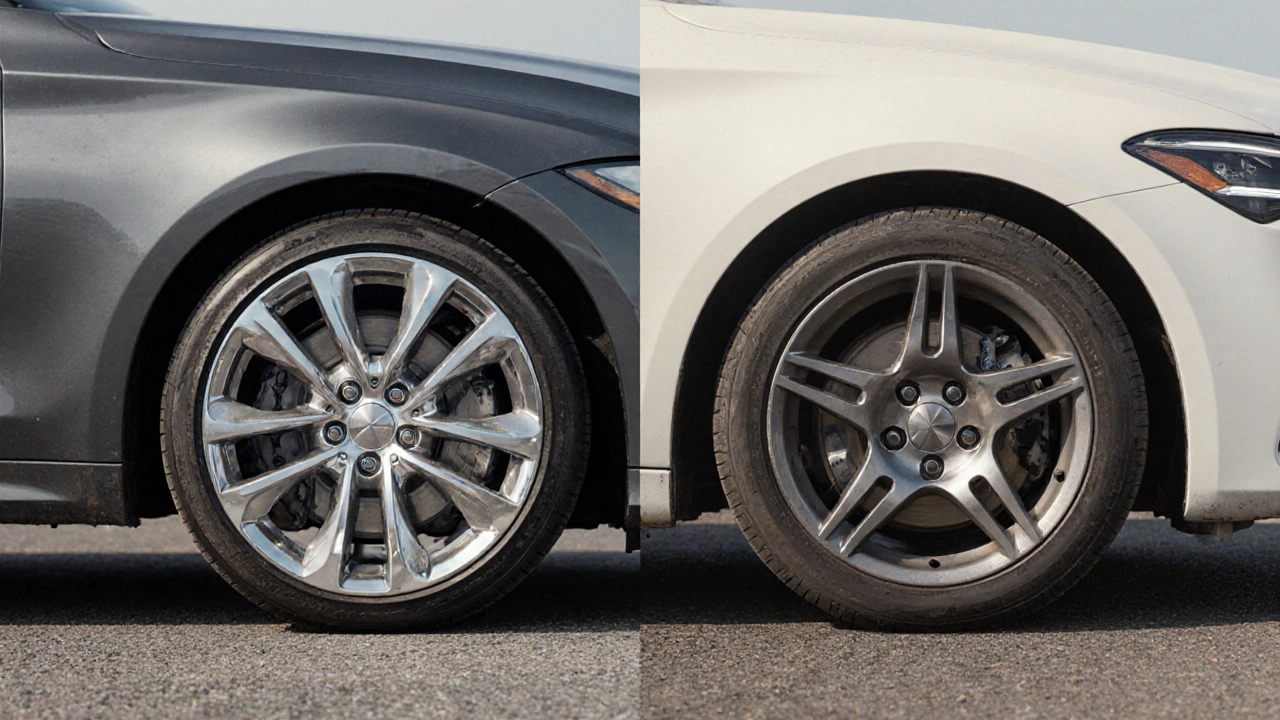
What Is the Difference Between Alloy Rims and Steel Rims?
Alloy rims are lighter and look better, but steel rims are tougher and cheaper. Learn the real differences in weight, performance, cost, and winter durability to choose the right wheels for your car.