Best Suspension for Bumpy Roads: What Works and What to Avoid
When your car bounces like a basketball over potholes and cracked pavement, it’s not just annoying—it’s a sign your suspension, the system that connects your wheels to the car’s frame and absorbs road impacts is failing. A good suspension doesn’t just make your ride smoother; it keeps your tires on the road, helps you steer safely, and stops your car from bouncing out of control. If you drive on rough roads often—whether it’s rural highways, unpaved driveways, or city streets full of damage—you need a suspension built to handle it, not just one that looks nice on paper.
The key parts that wear out fastest are shocks, cylinders that dampen spring movement to prevent bouncing and struts, combined shock and spring units that also support the vehicle’s weight. These aren’t just replaceable parts—they’re safety components. When they go bad, your car takes longer to stop, leans too much in turns, and can even cause uneven tire wear. You’ll also hear it: clunks when you hit a bump, squeaks when you turn, or a rattling noise that gets louder over time. These aren’t just noises—they’re warnings. Many people wait until the ride feels terrible, but by then, other parts like ball joints, control arms, or bushings are already worn from the extra stress.
What makes a suspension truly good for bumpy roads isn’t about being the most expensive or the sportiest. It’s about balance: enough stiffness to control movement, but enough give to absorb shocks without breaking. Brands like Monroe, KYB, and Bilstein offer heavy-duty options designed for rough terrain, often with reinforced mounts and thicker piston rods. If you’re not racing, you don’t need adjustable coilovers. You need reliable, durable parts that won’t fail after 20,000 miles of bad roads. And don’t forget alignment—after replacing shocks or struts, your wheels need to be checked. A misaligned suspension eats tires and makes steering feel loose, even with brand-new parts.
Replacing suspension isn’t a weekend hobby if you’re not experienced. But you don’t need to pay $1,000 at a shop either. Many people fix their own shocks with basic tools and a jack. The real cost isn’t the parts—it’s ignoring the problem. A bad suspension leads to worn tires, damaged steering components, and even brake failure over time. If you’re tired of your car feeling like a washing machine on spin cycle, it’s not just the road. It’s your suspension. Below, you’ll find real guides from people who’ve been there: how to test your shocks, what noises mean, which parts fail first, and how to replace them without getting ripped off. No fluff. Just what works.
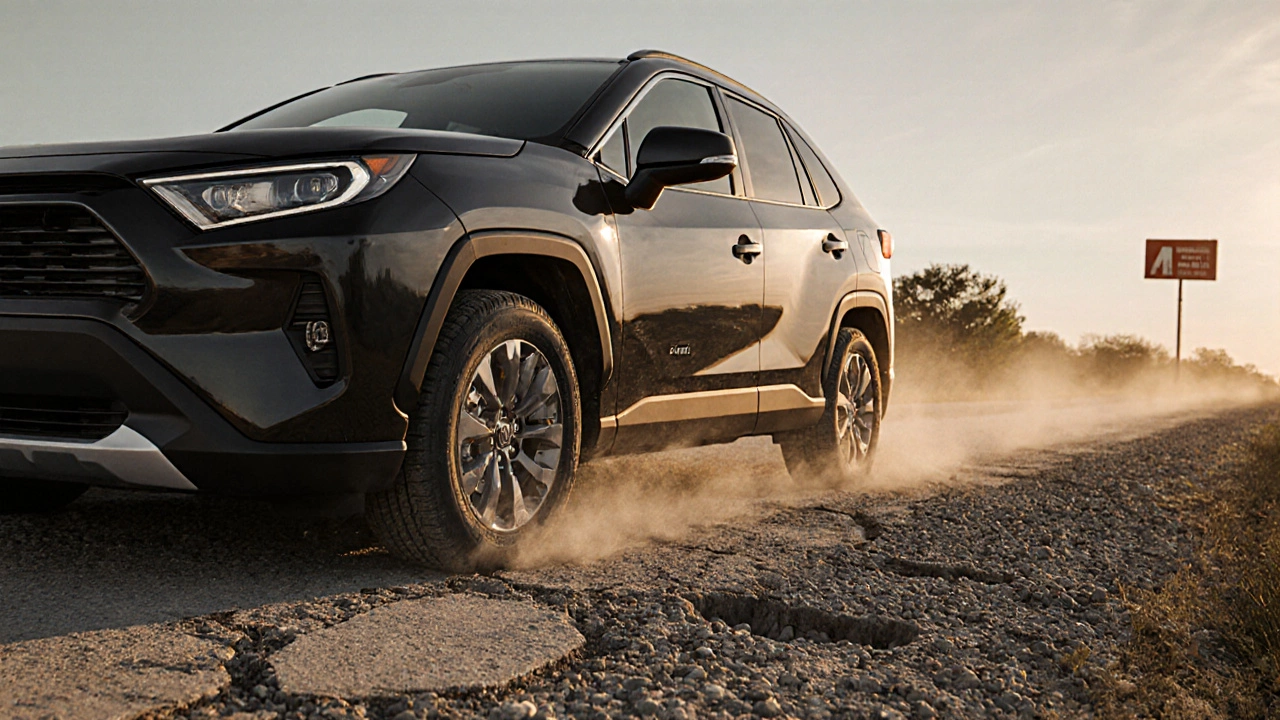
What Is the Best Suspension for Bumpy Roads? Top Picks for Comfort and Control
Discover the best suspension upgrades for bumpy roads-coils, shocks, and air systems that actually improve comfort and control on rough terrain without breaking the bank.