Brake Replacement: What You Need to Know Before You Replace Your Brakes
When your brake replacement, the process of servicing or replacing worn components in a vehicle’s braking system to restore stopping power and safety. Also known as brake service, it’s one of the most critical maintenance tasks you’ll ever do on your car. Ignoring worn brakes doesn’t just mean squeaky noises—it means longer stopping distances, increased risk of accidents, and potential damage to other parts like brake rotors, the metal discs that brake pads press against to slow the vehicle or brake fluid, the hydraulic liquid that transfers force from the pedal to the brake calipers. Most drivers wait too long, thinking "it’s still working," until the warning signs turn into expensive repairs or worse—loss of control.
Brake replacement isn’t a one-size-fits-all job. Your brake pads, the friction material that clamps down on the rotors to stop the wheels might need changing every 30,000 miles, or they could last 70,000—depending on how you drive. City driving with constant stops wears them faster than highway cruising. If you hear grinding, feel vibration in the pedal, or see the brake warning light, you’re not just being paranoid—you’re being smart. A worn pad can destroy a rotor in days, and replacing a rotor costs three times as much as replacing pads alone. And don’t forget the fluid. Old brake fluid absorbs moisture, lowering its boiling point and making your brakes spongy. Most manufacturers say to flush it every two years, but few do.
What you’ll find in the posts below isn’t theory—it’s real advice from people who’ve done this themselves. You’ll see step-by-step guides on how to replace brake pads without a lift, how to tell if your rotors are still good or need replacing, what tools actually matter (and which ones you can skip), and how to avoid being overcharged at the shop. Some posts even cover what those weird noises mean—squealing, clicking, or that metal-on-metal grind—before it turns into a roadside emergency. Whether you’re a beginner looking to save money or someone who just wants to understand what’s going on under your hood, this collection gives you the facts without the fluff. No guesswork. No upsells. Just what you need to know before you touch a wrench.
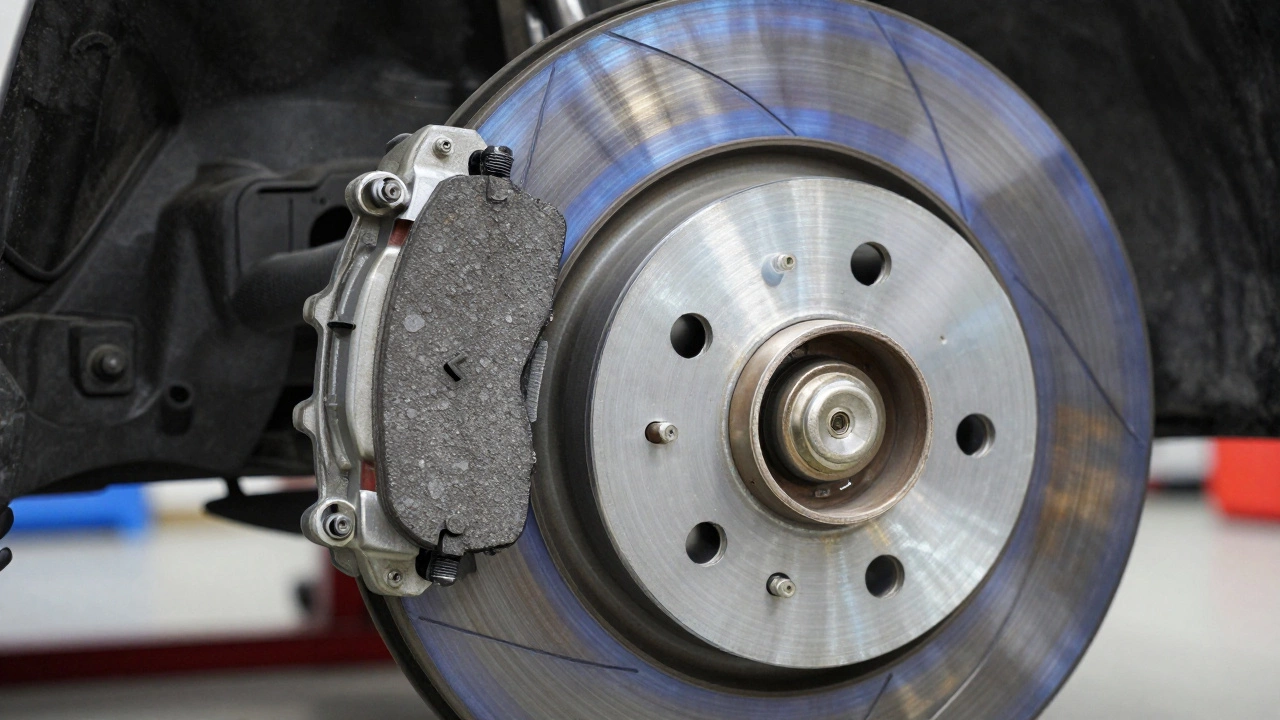
Can I Just Replace Brake Pads Without Changing Rotors?
Replacing brake pads alone might seem like a quick fix, but it can be dangerous if rotors are worn. Learn when you can skip rotors-and when you absolutely can't-for safer, longer-lasting brakes.
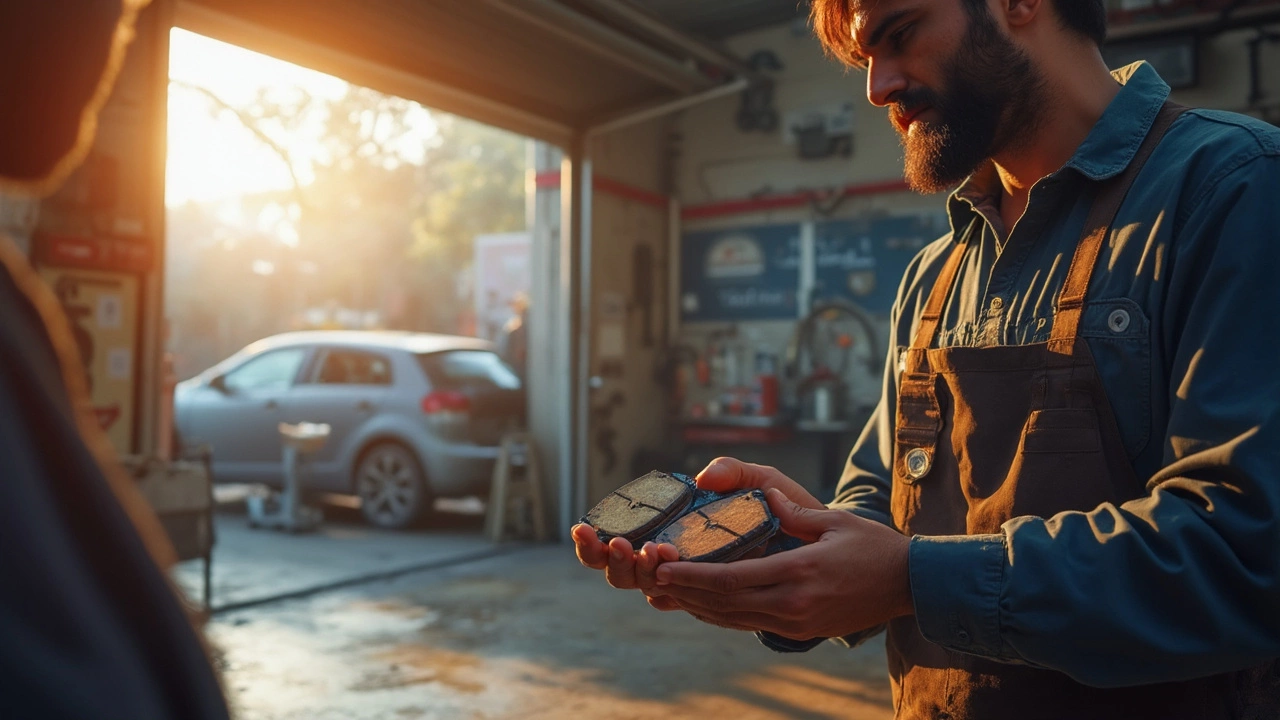
Do I Need to Buy 2 Sets of Brake Pads?
Wondering if you need two sets of brake pads for your car? This article clears up the confusion by explaining when and why having two sets can be beneficial. Get insights into the wear patterns of brake pads, the benefits of maintaining spares, and tips for ensuring your safety on the road. Learn about the different types of brake pads and how driving habits influence your decisions.