Brake Rotors: What They Are, How They Wear, and When to Replace Them
When you hit the brakes, the brake rotors, flat metal discs attached to your wheels that the brake pads clamp down on to slow your car. Also known as disc brakes, they’re the core of your stopping power—no matter if you’re driving a daily commuter or a tuned sports car. Without healthy rotors, even the best brake pads won’t do their job. They don’t just stop your car—they turn kinetic energy into heat, and that heat changes how they perform over time.
Brake rotors work hand-in-hand with brake pads, the friction material that presses against the rotor to create stopping force. When the pads wear down, they start grinding against the rotor surface, which can cause grooves, warping, or even cracks. You’ll know something’s wrong if you hear a high-pitched squeal, feel a vibration in the pedal, or notice your car pulling to one side when braking. These aren’t just annoyances—they’re safety warnings. A warped rotor can increase stopping distance by up to 30%, and that’s the difference between avoiding a crash and hitting it.
Not all rotors are made the same. Some are solid, others are vented to handle heat better. Performance cars often use slotted or drilled rotors to shed gas and debris from the pads, but for most everyday drivers, standard rotors are fine—if they’re maintained. Rotors typically last between 30,000 and 70,000 miles, but aggressive driving, heavy loads, or frequent city stops can cut that in half. Many people replace brake pads without checking the rotors, which is a mistake. If the rotor surface is uneven or thinner than the manufacturer’s minimum thickness, new pads will wear out fast and still feel spongy.
Brake noise is another big clue. A grinding sound usually means the pads are gone and metal is scraping metal. A rhythmic thumping or pulsing when braking often points to a warped rotor from overheating. And if you see rust on the edges but not the braking surface, that’s normal—rust doesn’t affect performance until it spreads. But if the rotor looks blued or has deep grooves, it’s done. Replacing them isn’t hard if you’ve changed brake pads before, but it’s not a job to rush. You need the right tools, a clean workspace, and the patience to bleed the brake lines if you’ve disconnected them.
What you’ll find below are real, no-fluff guides from people who’ve been there: how to spot failing rotors before they leave you stranded, why some people replace rotors with every pad change (and when it’s a scam), how to tell if your rotors are too thin to resurface, and what kind of noise means it’s time to act. These aren’t theory pieces—they’re hands-on fixes, cost breakdowns, and warnings from drivers who learned the hard way. Whether you’re doing your own brake job or just trying to understand what your mechanic is telling you, these posts give you the facts you need to stay safe and save money.
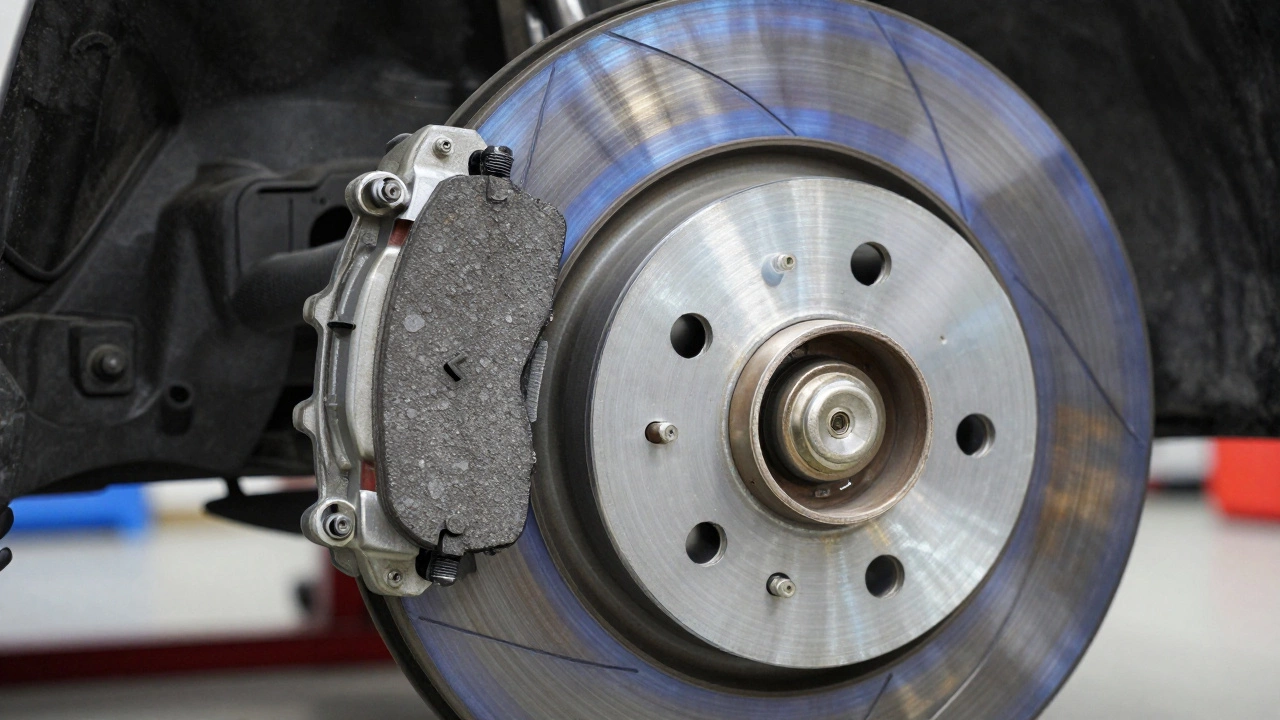
Can I Just Replace Brake Pads Without Changing Rotors?
Replacing brake pads alone might seem like a quick fix, but it can be dangerous if rotors are worn. Learn when you can skip rotors-and when you absolutely can't-for safer, longer-lasting brakes.
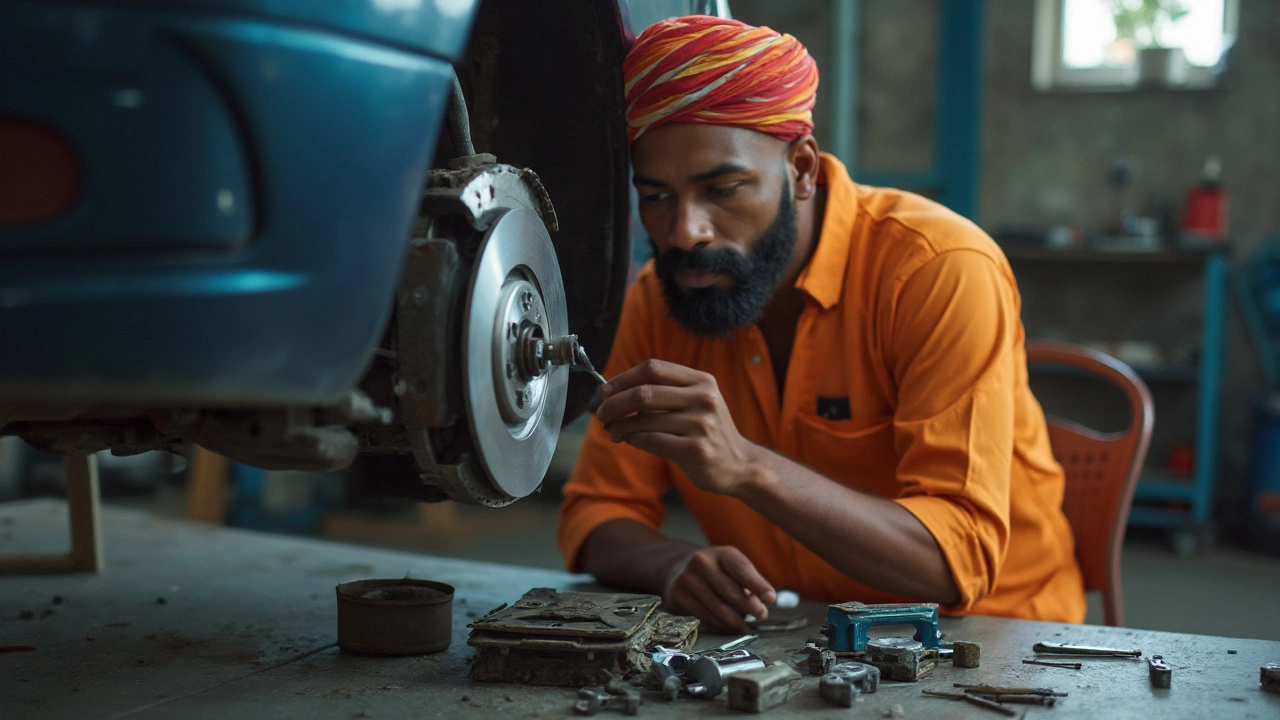
Can I Just Replace Brake Pads and Not Rotors?
Wondering if you can just swap out the brake pads without touching the rotors? This article explores the do's and don'ts of brake maintenance. Get the lowdown on when it’s okay to skip rotor replacement, what signs to watch for if a rotor change is needed, and how to keep your brakes in top shape. Perfect for car owners who want to make informed decisions about their vehicle's maintenance.