Brake Safety: What You Need to Know to Stop Without Risk
When it comes to your car, nothing matters more than brake safety, the system that lets you control speed and come to a complete stop when you need to. Also known as braking system, it’s not just about stopping—it’s about avoiding accidents, protecting passengers, and staying in control under pressure. A single failed brake component can turn a routine drive into a life-changing event. And yet, most drivers don’t check their brakes until they hear a screech or feel the pedal sink. That’s too late.
Your brake pads, the friction material that presses against the rotors to slow the wheels wear down over time. They don’t last forever. Most last between 25,000 and 70,000 miles, depending on how you drive. City driving with constant stops? They’ll wear faster. Highway cruising? They’ll last longer. But even if they look okay, hidden wear can still be there—cracks, uneven wear, or metal-on-metal contact that you can’t see without taking them apart. Then there’s the brake system, the entire hydraulic setup including fluid, lines, calipers, and rotors. Leaks, air in the lines, or warped rotors don’t just make your car stop poorly—they make it stop unpredictably. And that’s when panic sets in.
Brake failure doesn’t always come with a loud noise. Sometimes it’s just a softer pedal, a slight pull to one side, or vibration when you press down. These aren’t "maybe" problems. They’re red flags. And if you’ve ever seen a post about replacing brake pads yourself, you know it’s not just about tools—it’s about knowing what to look for before you even lift the car. The posts below cover exactly that: how to spot failing brakes before they fail, how to replace pads safely, what to check when you’re doing it yourself, and why skipping a brake inspection can cost you way more than a repair bill.
You don’t need to be a mechanic to understand brake safety. You just need to know the signs, act early, and never assume "it’s probably fine." The difference between checking your brakes and ignoring them isn’t just money—it’s safety. And that’s why every post here is built around real, measurable risks—not theory, not guesswork, but what actually happens when brakes go bad.
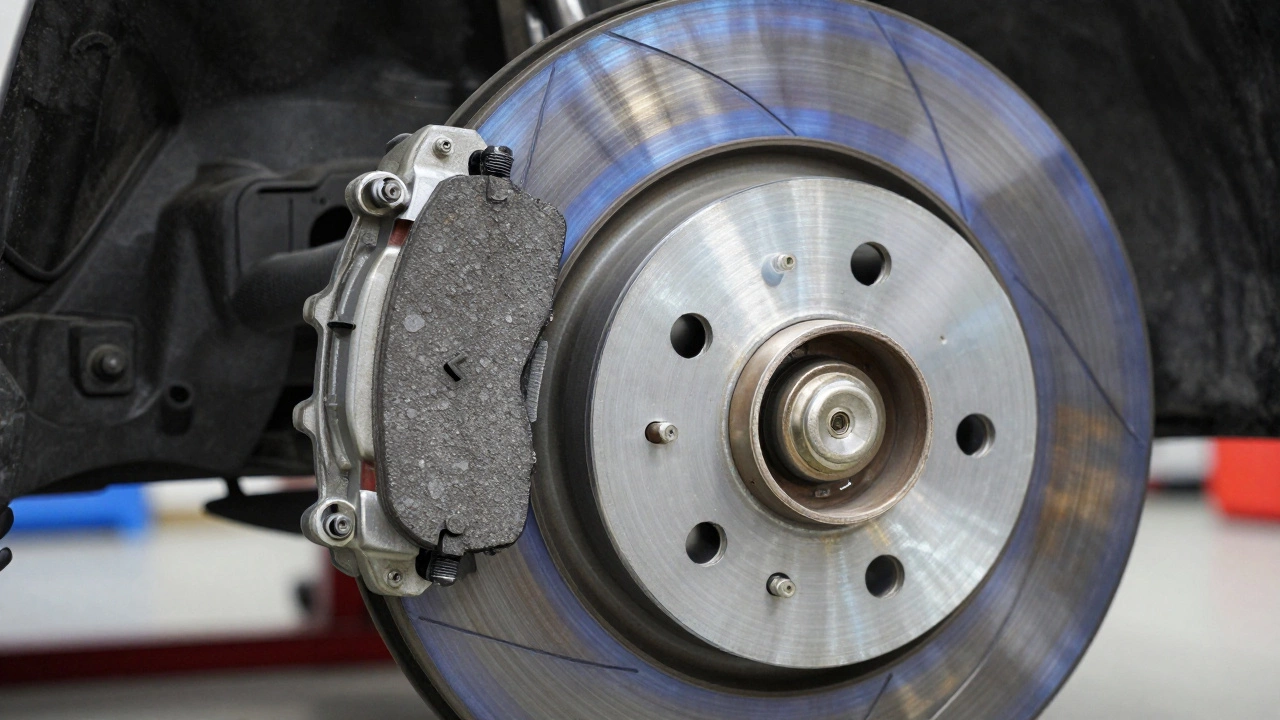
Can I Just Replace Brake Pads Without Changing Rotors?
Replacing brake pads alone might seem like a quick fix, but it can be dangerous if rotors are worn. Learn when you can skip rotors-and when you absolutely can't-for safer, longer-lasting brakes.