Brake Service: What It Is, When You Need It, and How to Spot Trouble
When your car doesn’t stop like it should, brake service, the process of inspecting, repairing, or replacing components that slow or stop your vehicle. Also known as brake repair, it’s not a luxury—it’s the difference between getting home safely and ending up in a hospital. Most people think brake service means just changing pads, but it’s way more than that. Your entire brake system, the collection of parts including pads, rotors, calipers, fluid lines, and the master cylinder that work together to stop your car needs attention. If one part fails, the whole system weakens. A worn rotor can ruin new pads. Old brake fluid can boil under pressure and make your pedal feel spongy. And a leaking caliper? That’s not just a mess—it’s a ticking time bomb.
Brake service isn’t just about fixing what’s broken. It’s about catching problems before they cost you thousands. Think about it: a $150 brake pad job now can save you a $1,200 rotor replacement later. Or worse, an accident because your brakes gave out on a highway exit. The brake pads, the friction material that presses against the rotor to create stopping power wear down over time—usually between 25,000 and 70,000 miles, depending on how you drive. City driving with constant stops? They’ll go faster. Highway cruising? They’ll last longer. But here’s the thing: you can’t just wait for the squeal. That noise means the metal backing plate is already grinding into the rotor. By then, you’ve done damage. The real signs are subtler: a soft pedal, a car that pulls to one side, or a vibration when you brake. Those aren’t annoyances—they’re warnings.
Then there’s the brake fluid, the hydraulic liquid that transfers force from your pedal to the calipers, and absorbs moisture over time, reducing stopping power. Most drivers don’t know it needs changing. It’s not on the oil change checklist. But every two years, it starts pulling water from the air. Water in brake fluid lowers its boiling point. When you brake hard—say, going downhill—the fluid can boil. And boiling fluid doesn’t transmit pressure. Your pedal goes to the floor. No brakes. No warning. Just panic. And brake rotors, the metal discs the pads clamp onto to stop the wheels, which can warp, crack, or wear unevenly don’t last forever either. If they’re too thin or grooved, new pads won’t grip right. You’ll feel it in the steering wheel. You’ll hear it in the noise. And you’ll pay for it in repair bills.
You don’t need to be a mechanic to know when your brakes are acting up. Listen. Feel. Watch. If your car takes longer to stop, if the pedal feels different, if you hear anything that wasn’t there before—don’t ignore it. Brake service isn’t about keeping your car shiny. It’s about keeping you alive. Below, you’ll find real guides from people who’ve been there: how to test your brake fluid, what that grinding noise really means, when to replace rotors without getting ripped off, and how to spot a fake brake job. No fluff. No upsells. Just what works.
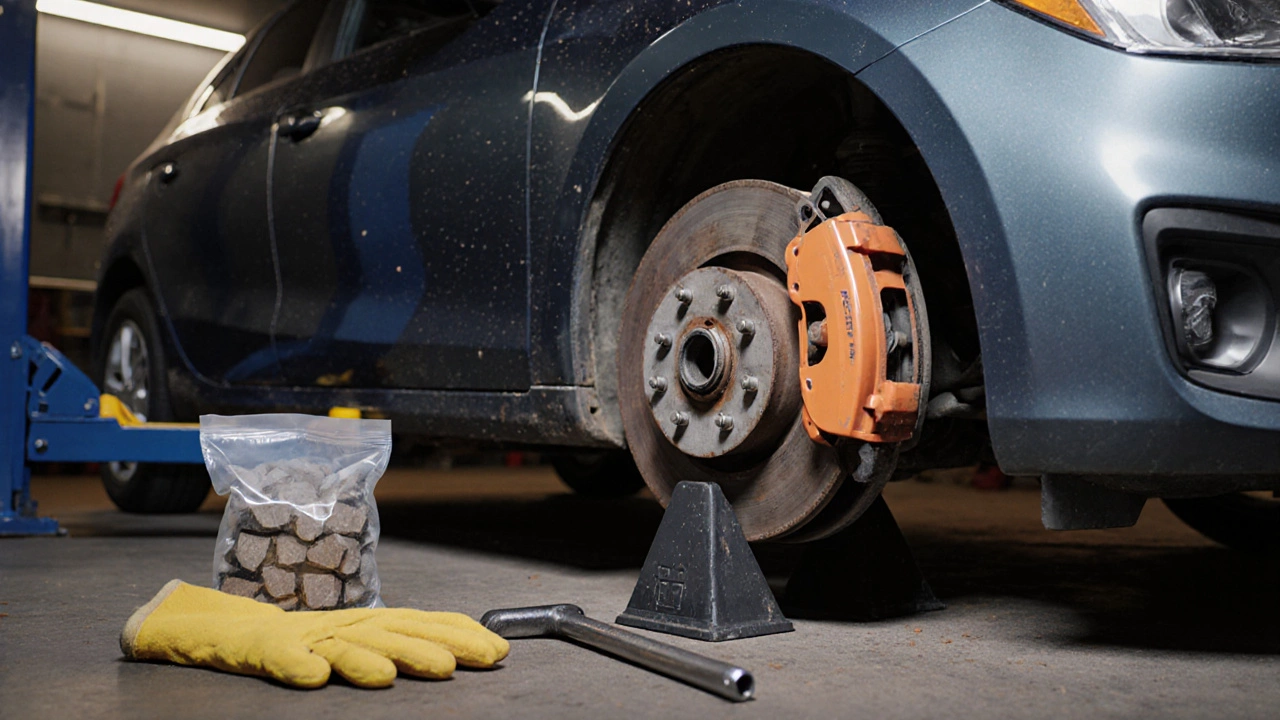
Changing Brake Pads by Yourself: DIY Guide
Learn how to replace brake pads by yourself with a step‑by‑step guide, tools checklist, safety tips, and FAQs for a safe DIY brake service.