Car Battery Price: What You Really Pay and What You Get
When you buy a car battery, a rechargeable power source that starts your engine and runs electronics when the engine is off. Also known as an automotive battery, it’s one of the most critical parts in your vehicle — and one of the most often replaced. You might think all car batteries are the same, but that’s not true. The car battery price can jump from $50 to $200 depending on type, brand, and where you buy it. And if you skip checking the specs, you could end up with a battery that dies in a year instead of five.
Not all batteries are built for the same job. Lead-acid batteries, the traditional type found in most cars, use liquid electrolyte and are the cheapest option. They’re reliable but heavy and need regular checks. Then there’s AGM (Absorbent Glass Mat) batteries, a sealed, maintenance-free version that handles deep discharges better and lasts longer in stop-and-go traffic. These cost more upfront but save you money over time, especially if you drive a modern car with lots of electronics. And if you live somewhere with extreme heat or cold, battery chemistry matters — some batteries are built to handle freezing winters or desert summers better than others.
What you pay isn’t just for the battery. It’s also for warranty length, cold cranking amps (CCA), reserve capacity, and whether the store will install it for free. Some places charge extra for recycling your old battery — others include it. And if you buy online, you might save a few bucks, but then you’re stuck doing the job yourself. Most people don’t realize that a battery with higher CCA doesn’t always mean better performance — it just means more power to start the engine in cold weather. If you live in Florida, you don’t need a battery built for Alaska.
Look at the date code on the battery. It’s usually stamped on the side or top. A battery sitting on a shelf for six months is already losing charge. You want one that’s fresh — ideally made within the last three months. And don’t assume the cheapest option is the best deal. A $40 battery that dies in 18 months costs more than a $120 one that lasts five years.
Before you buy, check your owner’s manual. It tells you the exact size, terminal layout, and minimum CCA your car needs. Get the wrong one, and it won’t fit, won’t connect, or won’t start your car when you need it most. And if you’re replacing a battery that died early, ask yourself why. Was it left on overnight? Did you take too many short trips? Did the alternator fail? Fix the root cause, or your new battery will die too.
Below, you’ll find real stories from people who’ve replaced their car batteries — what they paid, what went wrong, and what they wish they’d known before buying. Whether you’re replacing a battery because it’s dead, or just planning ahead, these guides help you avoid the traps and get the right one for your car, your budget, and your driving habits.
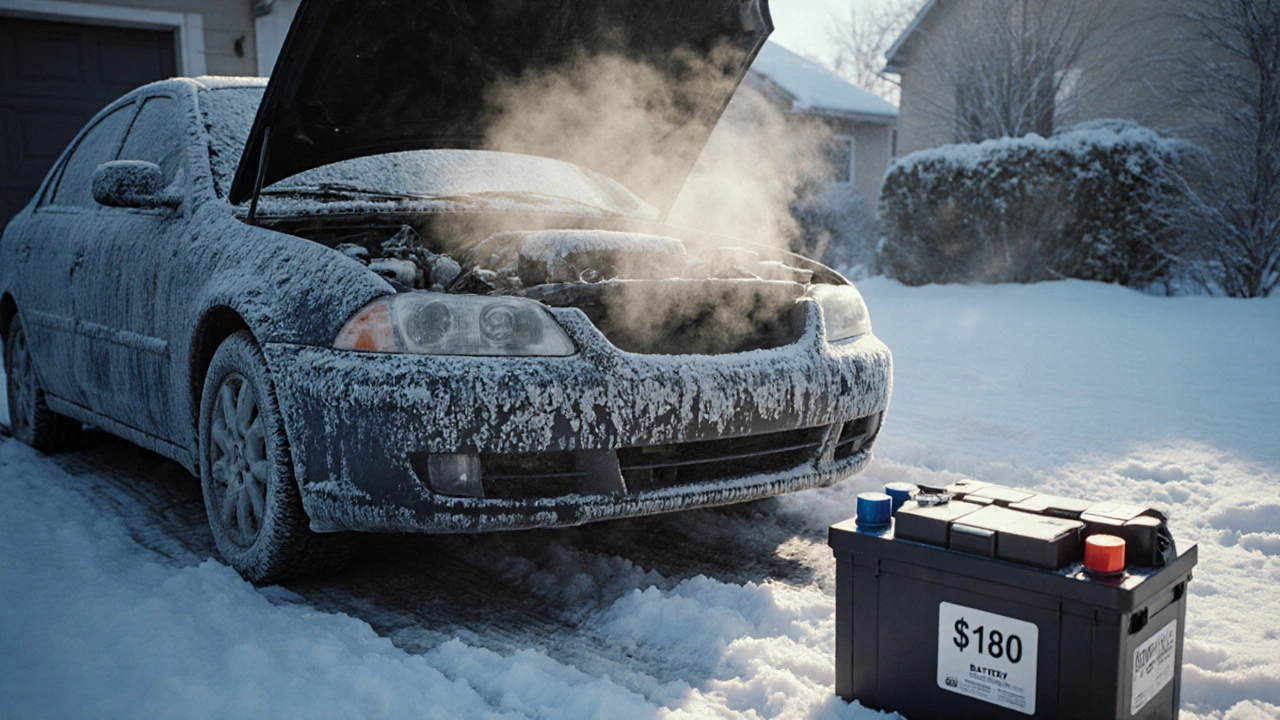
How Much Should I Pay for a Car Battery? Real Prices and What You Actually Need
Find out how much you should really pay for a car battery in Canada. Learn what specs matter, which brands deliver value, and how to avoid overpaying or buying the wrong one.