Car Battery Replacement: Signs, Costs, and What You Need to Know
When your car won’t start on a cold morning, it’s rarely the engine’s fault—it’s usually the car battery replacement, a critical component that powers your vehicle’s electrical systems and starts the engine. Also known as auto battery replacement, it’s one of the most common repairs drivers face, and doing it right saves time, money, and stress. Most car batteries last between 3 and 5 years, but heat, short trips, and leaving lights on can kill them sooner. You don’t need to wait for a dead battery to act—there are clear signs it’s dying before it leaves you stranded.
The battery terminal corrosion, a white or greenish powder that builds up on the metal connections is one of the first red flags. It blocks the flow of electricity, making starts slow or impossible. Then there’s the car battery symptoms, like dim headlights, slow cranking, or the check engine light coming on for no clear reason. These aren’t just inconveniences—they’re warnings your battery is running on fumes. And if you’ve had the same battery since you bought the car five years ago, it’s already overdue for a check.
Replacing a car battery isn’t rocket science, but it’s not just about swapping in the cheapest one you find. You need the right size, the right cold cranking amps for your climate, and the right warranty. Some batteries last longer because they’re built for heat resistance—important if you live in a warm area. Others have better vibration resistance for rough roads. And if you’re replacing it yourself, always disconnect the negative terminal first. That’s not just best practice—it’s a safety rule that prevents sparks, short circuits, and worse.
There’s also the question of cost. A basic battery runs $80–$120, but premium ones with longer life and better warranties can hit $200. Some auto shops charge extra to recycle your old one, but most will take it for free. And if you bought your car from a dealer, they might install it for you—but you can often save $30–$50 by doing it yourself. The tools? A wrench, gloves, and maybe a battery terminal cleaner. Ten minutes, max.
What you’ll find below are real, practical guides from drivers who’ve been there. From how to test your battery with a multimeter to why your battery dies faster in winter, these posts cut through the noise. You’ll see what actually causes premature failure, how to avoid getting ripped off at the parts store, and what to do if your car won’t start after a replacement. No fluff. No theory. Just what works.
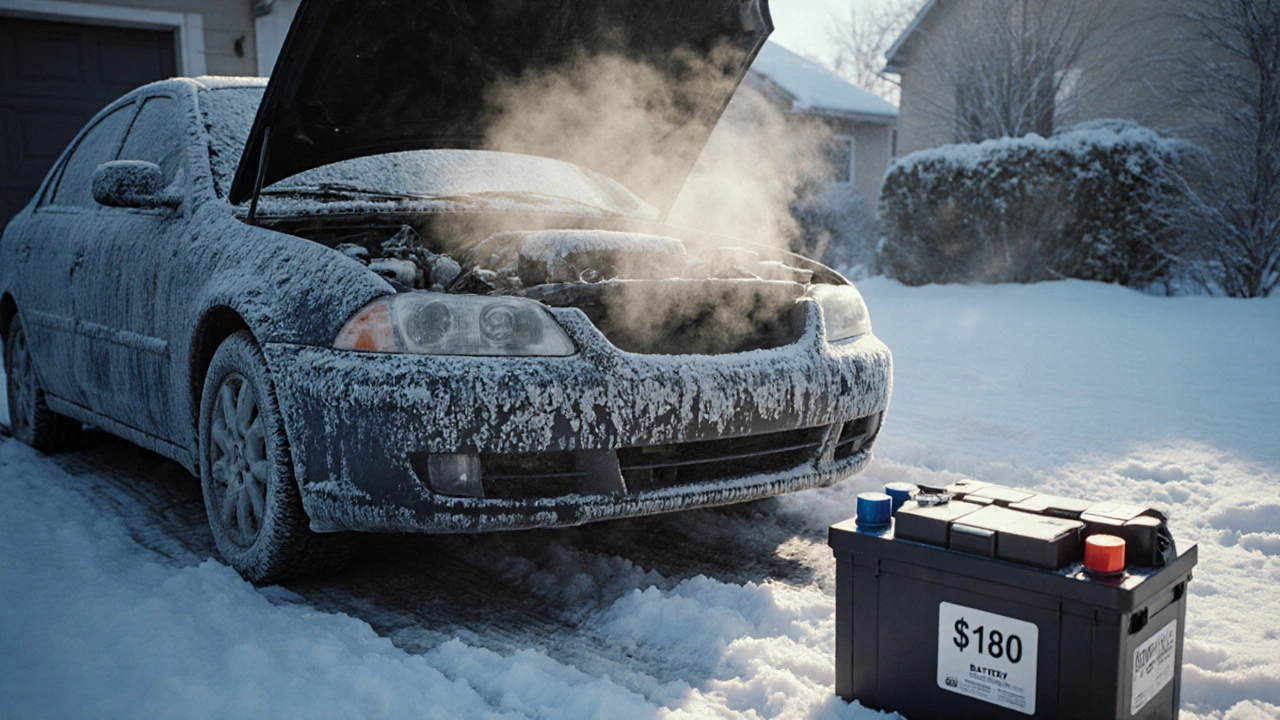
How Much Should I Pay for a Car Battery? Real Prices and What You Actually Need
Find out how much you should really pay for a car battery in Canada. Learn what specs matter, which brands deliver value, and how to avoid overpaying or buying the wrong one.