Car Overheating: Signs, Causes, and How to Fix It Before It Costs You Thousands
When your car overheating, a dangerous rise in engine temperature that can lead to permanent damage if ignored. Also known as engine overheating, it’s not just a warning light—it’s a countdown to a costly repair. Most people ignore it until steam comes out of the hood. By then, it’s too late. The truth? Overheating rarely happens out of nowhere. It’s the result of something failing slowly—a leak, a worn part, a clogged system—and you can catch it before it ruins your engine.
The most common culprit is a bad radiator, the component that cools engine coolant by transferring heat to the air. Also known as car radiator, it’s not just a metal box—it’s the heart of your cooling system. When it leaks, gets clogged with sludge, or the fins rust, your engine starts running hot. You’ll notice coolant loss, a sweet smell under the hood, or the temperature gauge creeping into the red. And if you keep driving? You’re risking a blown head gasket, warped cylinder head, or even a seized engine—all repairs that cost thousands.
But the radiator isn’t the only thing that can cause overheating. A bad fuel pump, a component that delivers fuel from the tank to the engine at the right pressure. Also known as fuel pump failure, can also trigger overheating indirectly. If it’s weak or failing, the engine runs lean—burning too much air, not enough fuel. That extra heat builds up fast. And if your coolant isn’t circulating because the water pump is dead, or the thermostat is stuck shut, the same thing happens. Even low coolant levels from a small hose leak can push your engine over the edge.
It’s not just about the parts—it’s about how you respond. Many drivers panic and shut the engine off immediately. That’s smart. But others keep driving, thinking they can "just make it home." That’s how you turn a $300 radiator replacement into a $4,000 engine rebuild. The fix isn’t always expensive. Sometimes it’s just topping off coolant, replacing a $20 thermostat, or cleaning a clogged radiator. Other times, it’s a full cooling system overhaul. The difference? Catching it early.
What you’ll find below isn’t theory. It’s real fixes from real people who’ve been there. You’ll see how to spot a failing radiator before it leaks, why a bad fuel pump can make your engine run hot, what coolant sludge really looks like, and how to test your system without a mechanic’s tools. These aren’t guesses—they’re step-by-step checks that actually work. Whether you’re dealing with a quiet drip or a smoking hood, the guides here show you exactly what to look for, what to replace, and when to stop driving and call for help.
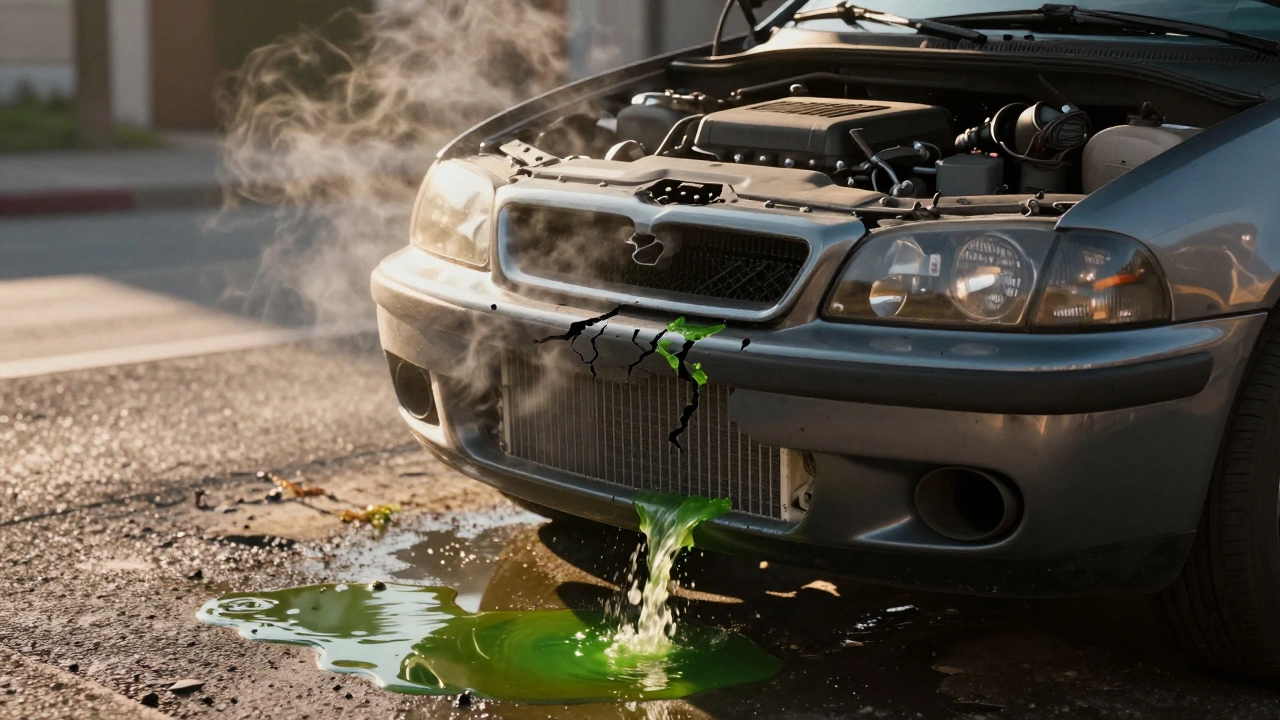
Can You Drive a Car with a Cracked Radiator? What Happens and What to Do Instead
Driving with a cracked radiator risks severe engine damage. Even short trips can cause overheating, warped heads, or a blown gasket. Replace it immediately-don’t risk thousands in repairs.
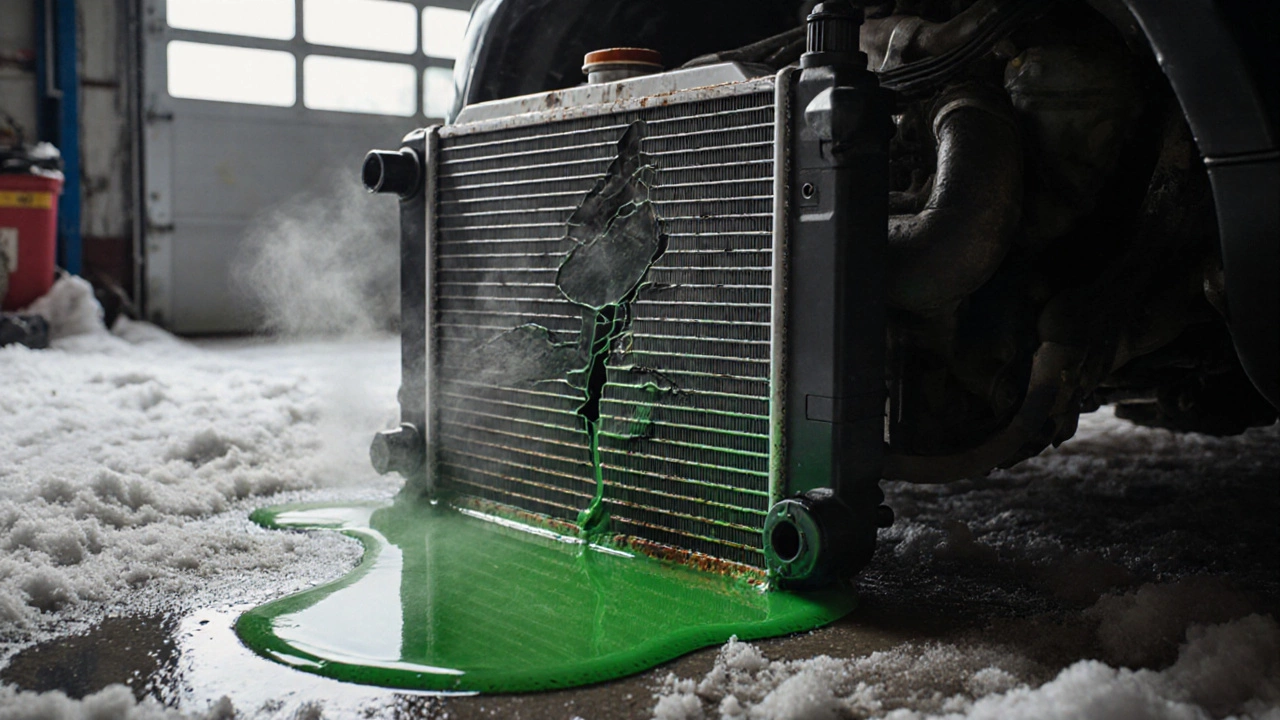
How Do I Know If My Radiator Is Bad? 7 Clear Signs to Watch For
Learn the 7 clear signs your radiator is failing-from coolant leaks to engine overheating-and what to do before it leaves you stranded. Save money and avoid engine damage.

Can a Bad Radiator Cause a Blown Head Gasket?
When your radiator isn’t working right, it can easily cause your engine to overheat, and in some cases, lead to a blown head gasket. This article breaks down how a bad radiator sets off a chain reaction that can ruin your engine. You’ll learn the warning signs, why catching radiator problems early matters, and what simple fixes can save you from expensive head gasket repairs. Plus, I’ll share some easy ways to spot trouble under your hood before it blows up your wallet. Staying ahead of radiator issues is easier than most people think.