Car Safety: Essential Parts and Systems That Keep You Protected on the Road
When we talk about car safety, the collective measures and components that protect drivers and passengers from accidents and mechanical failure. Also known as vehicle safety, it's not just about airbags or seatbelts—it's about the hidden systems that keep your car under control when you need it most. A broken brake pad, the friction material that stops your wheels by clamping onto the rotor can turn a quick stop into a collision. A failing suspension system, the network of shocks, springs, and joints that absorb bumps and keep tires on the road makes steering unpredictable, especially in rain or on rough surfaces. And if your radiator, the core component that cools engine coolant to prevent overheating leaks or clogs, your engine can seize in minutes—leaving you stranded or worse.
Car safety isn’t a one-time check. It’s a chain of parts, each one holding up the next. A bad fuel pump, the device that delivers fuel from the tank to the engine under pressure doesn’t just cause stalling—it can strand you in traffic or on a highway, where sudden stops lead to rear-end crashes. You won’t feel a worn suspension until it’s too late, but you’ll hear it: clunks, squeaks, rattles. These aren’t just noises—they’re warning signs your car can’t handle bumps, turns, or emergency maneuvers safely. And if your radiator fails, your engine doesn’t just overheat—it can warp, crack, or blow, turning a simple repair into a total loss.
What you’ll find below isn’t a list of random fixes. These are real, proven guides on the exact parts that make car safety work—or fail. From how to replace brake pads yourself to spotting the seven signs your radiator is dying, every post here answers questions drivers actually ask when something feels off. No fluff. No guesswork. Just what you need to know before the next time your car acts up. Whether you’re dealing with a noisy suspension, a failing fuel pump, or just wondering if new wipers matter in the rain, these guides show you how to act before it becomes dangerous.
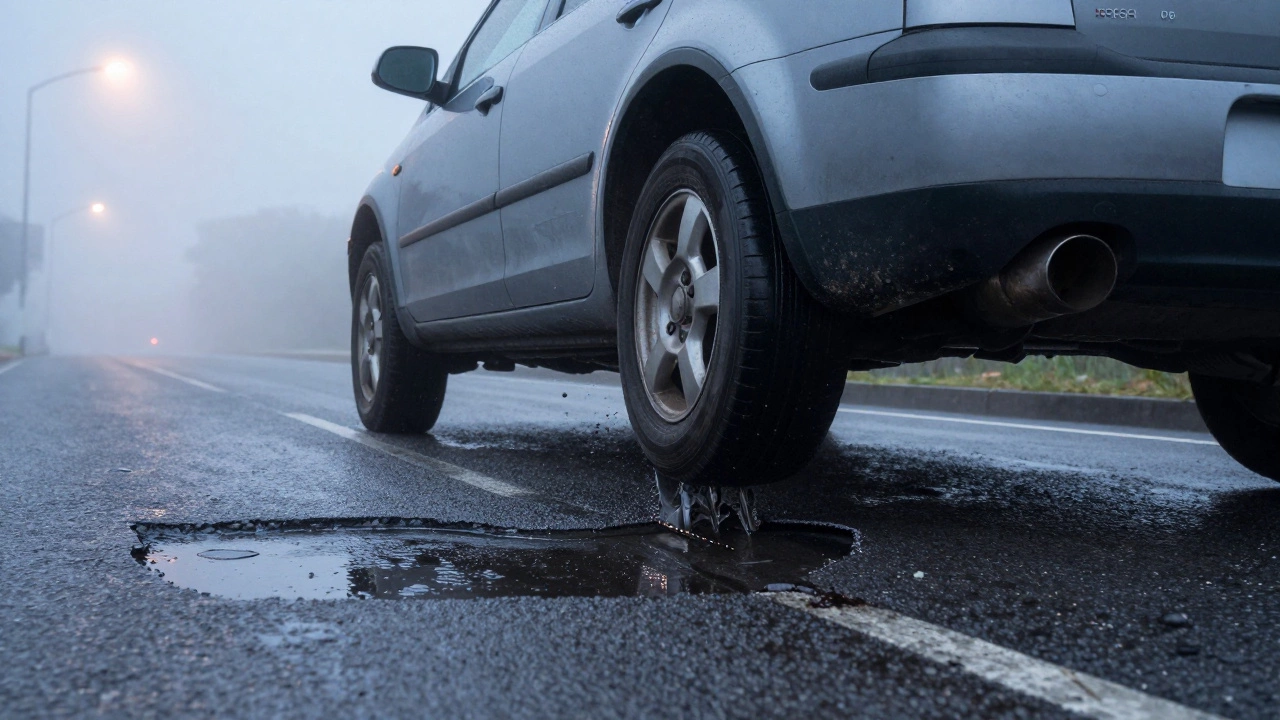
Is It Safe to Drive with Worn Suspension? What You Need to Know
Driving with worn suspension is dangerous and can lead to longer stopping distances, poor handling, and costly damage. Learn the signs, risks, and what to do before it’s too late.
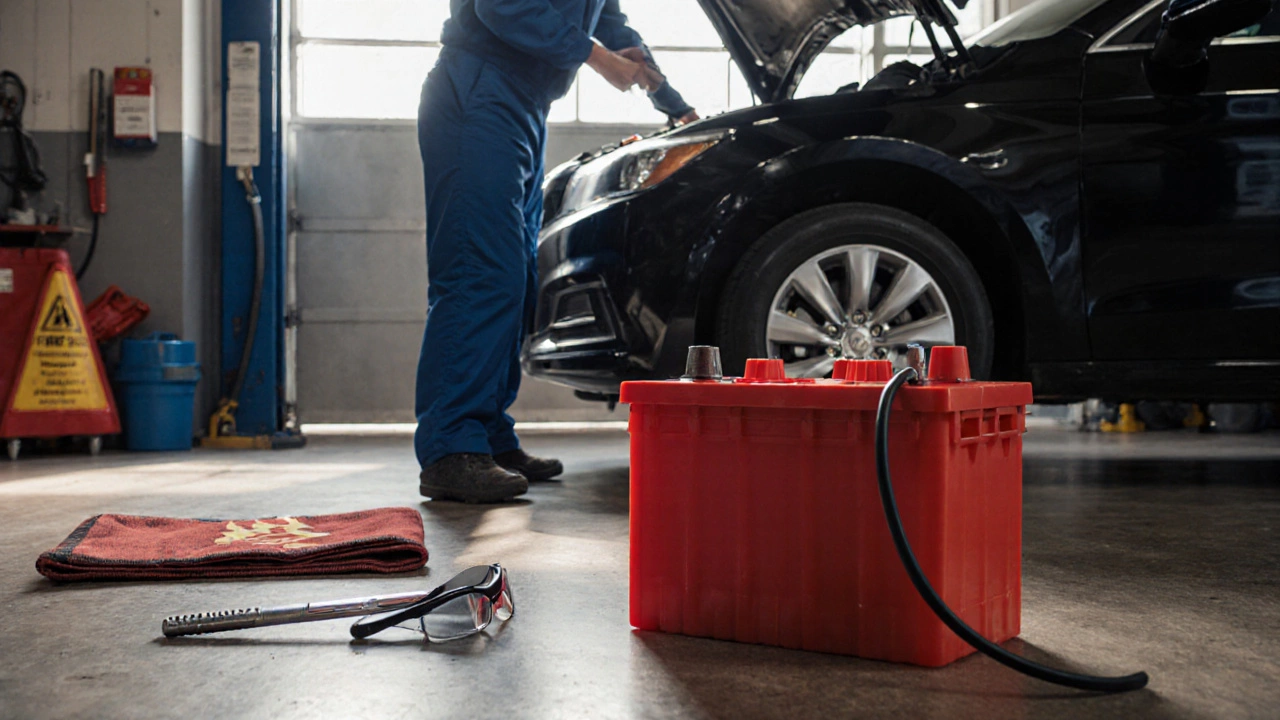
Do You Need to Disconnect the Battery When Replacing a Fuel Pump?
Learn why and how to safely disconnect the battery when replacing a fuel pump, with step‑by‑step instructions, safety tips, and FAQs for DIY mechanics.

Recognizing When Brake Pads Need Replacement: Essential Tips and Signs
Knowing when to change your brake pads is crucial for maintaining vehicle safety and performance. Look for warning signs including unusual noises, decreased responsiveness, and visual wear on the pads. Staying proactive with brake maintenance not only ensures safety but also extends the life of your vehicle. Understanding the lifespan and wear indicators of brake pads can help prevent costly repairs and dangerous driving conditions. Regular inspections by a professional can help catch issues early and maintain peace of mind on the road.