Clutch Kit: What It Is, How It Fails, and When to Replace It
When you press the clutch pedal, you’re engaging a clutch kit, a set of components that connects your engine to the transmission so power flows smoothly when shifting gears. Also known as a clutch assembly, it’s one of the few parts in your car that’s designed to wear out—because it’s meant to slip, grind, and release under pressure. Unlike your brakes or tires, you can’t see the clutch kit without pulling the transmission, so most drivers don’t know it’s failing until it’s too late.
A typical clutch kit includes three main parts: the clutch disc, the pressure plate, and the release bearing. The flywheel, which the clutch presses against, isn’t technically part of the kit—but if it’s warped, cracked, or worn, replacing the clutch without fixing it is like putting new tires on a bent rim. That’s why mechanics often recommend replacing the flywheel at the same time, especially if your car has over 80,000 miles. And if you’re riding the clutch pedal, creeping in traffic, or launching hard from a stop, you’re eating through the friction material way faster than normal.
The transmission relies on the clutch to shift gears cleanly. When the clutch starts slipping—when the engine revs but the car doesn’t accelerate—you’re not just losing power. You’re generating heat that can warp the pressure plate, melt the release bearing, or even crack the flywheel. That’s when repair costs jump from a few hundred dollars to over a grand. Most clutch kits last between 80,000 and 120,000 miles, but aggressive driving can cut that in half. Signs you’re nearing failure include a spongy pedal, grinding when shifting, or the car lurching forward when you barely touch the gas.
You won’t find a clutch kit in your owner’s manual as a routine maintenance item, but that doesn’t mean it’s maintenance-free. If you’ve noticed any of these symptoms—or if your car is approaching the 100,000-mile mark—don’t wait for it to die on the highway. The posts below break down real-world clutch failure stories, what parts actually wear out, how to test your clutch without a mechanic, and why some drivers get 150,000 miles out of theirs while others need a replacement at 50,000. Whether you’re fixing it yourself or just trying to understand what your mechanic is charging for, this collection gives you the facts—not the fluff.

How Do I Know If I Need a New Clutch Kit? 7 Clear Signs Your Clutch Is Failing
Learn the 7 clear signs your clutch kit is failing - slipping, grinding, strange smells, and more. Don’t wait until your car won’t move. Fix it before it costs you thousands.
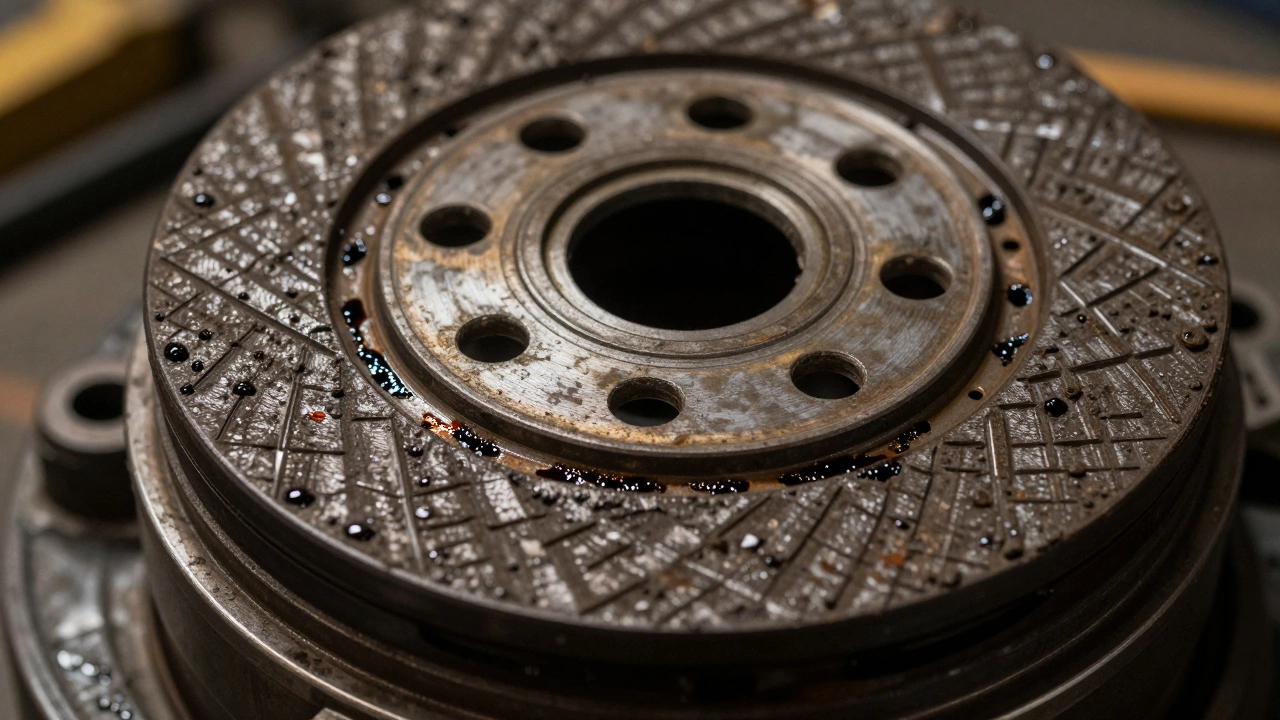
Can a Bad Clutch Damage the Transmission? Here's What Really Happens
A bad clutch doesn't just make shifting hard-it can overheat and destroy your transmission. Learn the signs, the real costs, and how to avoid a $3,000 repair.

How Many Miles Should a Clutch Last? Real-World Expectations and Signs of Wear
Most clutches last between 50,000 and 150,000 miles, but driving style and vehicle type make a big difference. Learn the signs of wear, how to extend clutch life, and when to replace it before it leaves you stranded.

Clutch Kit Components: What’s Inside & Why It Matters for Your Car
Get the details on what a clutch kit includes, why each part matters, and insider tips for choosing and installing the right kit for your car. Demystify clutch repair today.
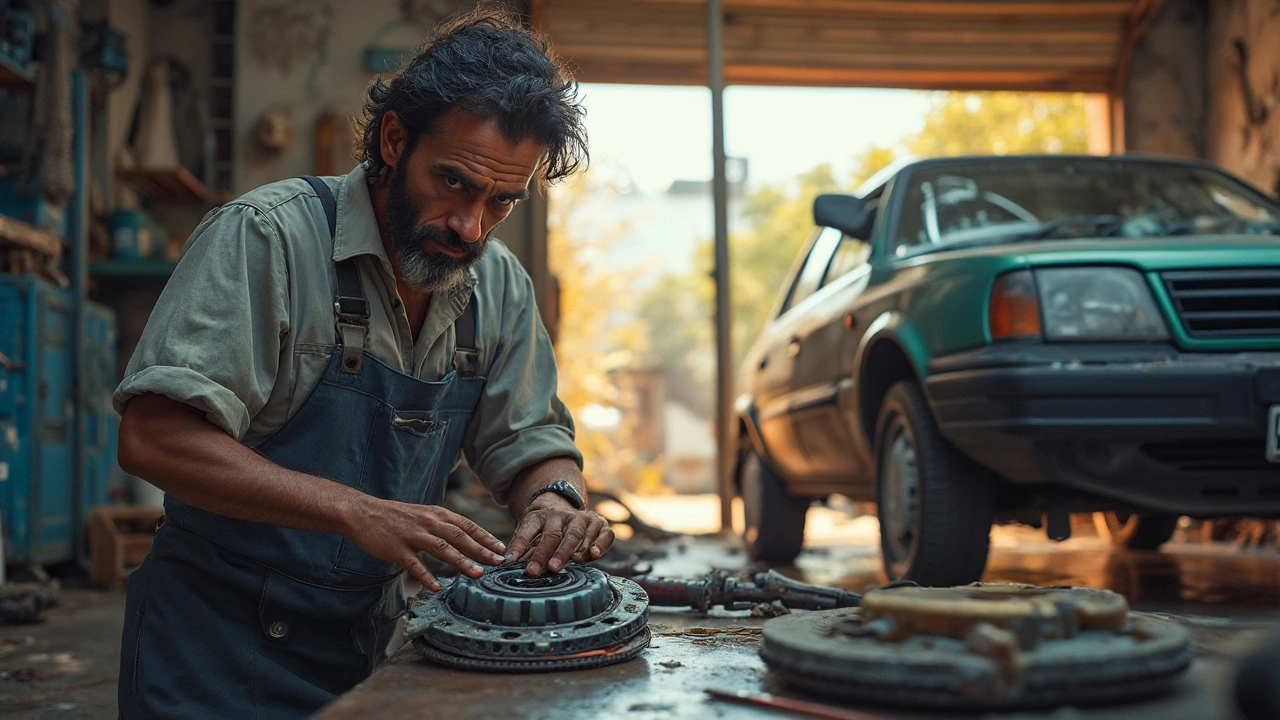
Slipping Clutch: Is It an Easy Fix or a Bigger Problem?
A slipping clutch can be a real headache, but how tough is it to fix? This article cuts through the confusion and explains what causes clutch slip, how hard it is to fix, and whether a DIY approach makes sense. You'll get the true costs, time estimates, and tips for deciding if you need a new clutch kit or a simple adjustment. No fluff, just what you need to keep your ride running smooth.
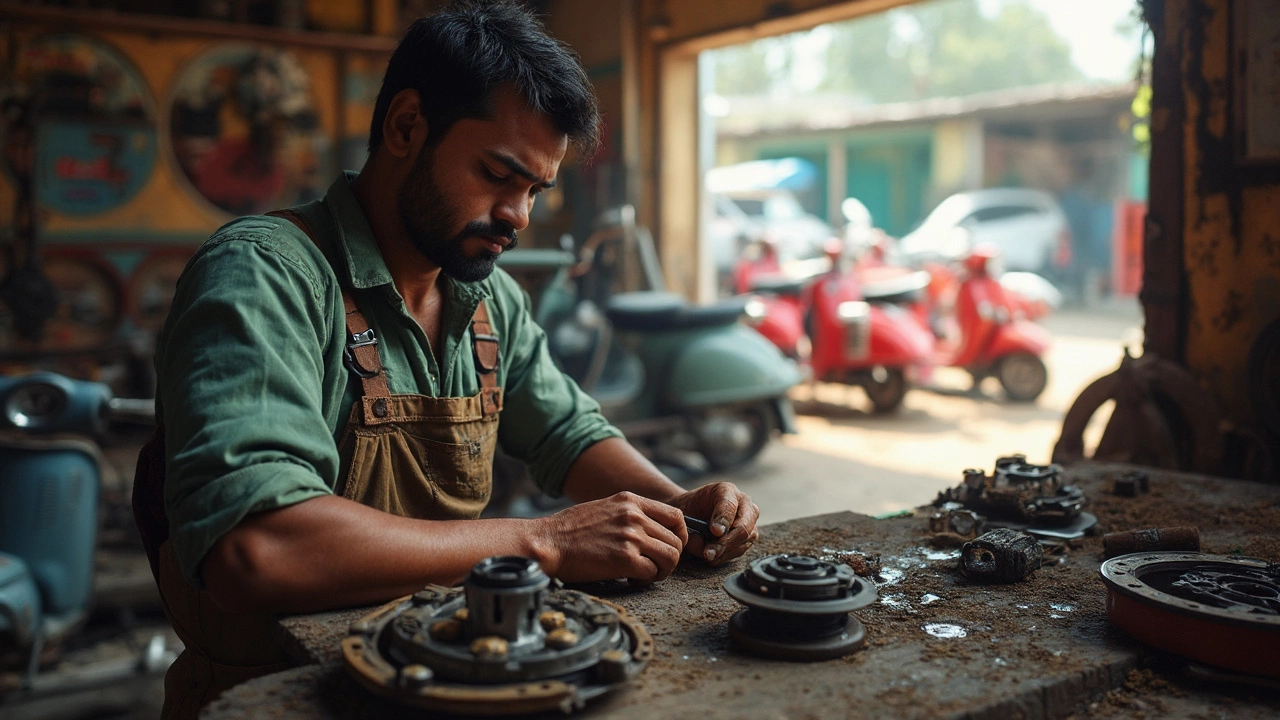
Does a Clutch Kit Make a Difference? Real-World Answers
Thinking about swapping your old clutch for a new clutch kit? This article breaks down what a clutch kit actually does, why it matters, and how it affects everyday driving. From smoother shifts to bigger performance upgrades, you'll get a practical look at whether these kits are worth it. Plus, get tips on what to look for before buying and when replacement really makes sense. Let’s get into the details and clear up common questions.

Labor Costs for Clutch Kit Replacement: What to Expect
Replacing a clutch kit can be a costly affair, but knowing what goes into the labor cost can help you budget better. Discover how mechanics determine labor costs for clutch kit replacements and what factors might increase the price. Learn tips to potentially save on this essential car maintenance task. Being informed means you're better equipped when it's time to visit the auto shop.