Clutch Kit Issues: Signs, Causes, and How to Fix Them
When your clutch kit, a set of components including the clutch disc, pressure plate, and release bearing that connects your engine to the transmission. Also known as clutch assembly, it's one of the most abused parts in a manual car. Starts acting up, you don’t just lose power—you lose control. A failing clutch kit doesn’t always scream for help. Sometimes it just slips quietly, makes a weird noise, or refuses to engage. And if you ignore it, you could end up stranded or facing a much bigger repair bill.
Clutch kit issues usually show up because of how you drive. Riding the clutch pedal while waiting at lights? That’s grinding the release bearing. Flooring it from a stop in a high-torque car? That’s burning through the friction material. Most clutches last between 80,000 and 120,000 miles, but bad habits can cut that in half. The clutch disc, the component that transfers engine power to the transmission wears down over time, just like brake pads. The pressure plate, the spring-loaded part that clamps the disc against the flywheel can weaken or warp. And the release bearing, the part that pushes the pressure plate when you press the pedal often fails first because it spins constantly when the clutch is engaged.
You’ll know something’s wrong if your car revs but doesn’t move when you accelerate, especially uphill. Or if you smell something burning—like hot metal and friction material—when you’re driving. A spongy or overly stiff clutch pedal, grinding noises when shifting, or the car slipping out of gear on its own are all red flags. These aren’t just annoyances. They’re warnings that your clutch kit is failing, and if you keep driving, you risk damaging the flywheel or transmission, which can cost thousands more to fix.
Fixing clutch kit issues isn’t always a DIY job, but knowing the signs helps you avoid being overcharged. You don’t need to replace the whole thing just because the bearing is noisy—sometimes it’s just the bearing. But if the disc is glazed or the pressure plate is warped, you need a full kit. And never reuse an old flywheel if you’re replacing the clutch. It’s not worth the risk.
What follows are real-world stories and step-by-step guides from drivers who’ve been there—how they spotted the problem early, what tools they used, what mistakes they made, and how much it actually cost to fix. Whether you’re trying to stretch your clutch life or preparing to replace it, you’ll find the practical advice you need here—no fluff, no guesswork, just what works.
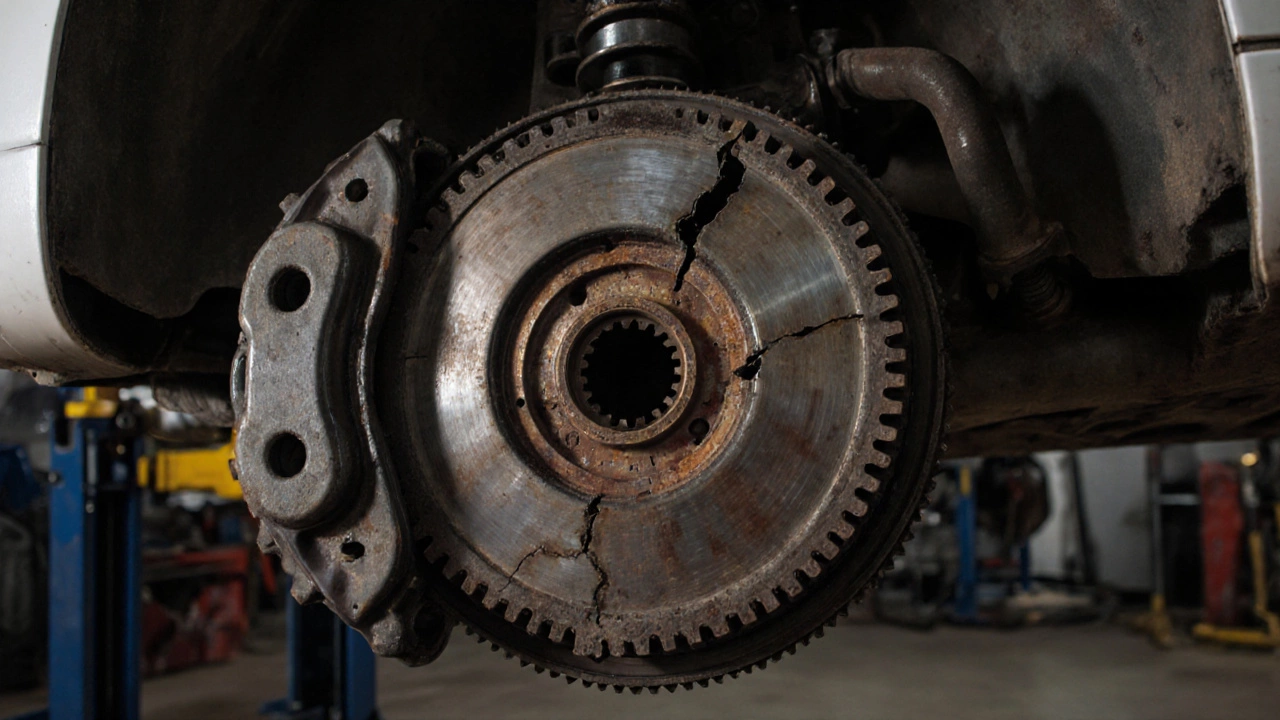
What Noise Does a Bad Flywheel Make? Signs You Need a Replacement
A bad flywheel makes grinding, clunking, or chirping noises-especially when shifting or accelerating. Learn how to spot the signs, why it fails, and when to replace it before it destroys your clutch or transmission.