Clutch Upgrade: What You Need to Know Before Making the Switch
When you hear clutch upgrade, a performance or durability enhancement to the component that connects your engine to the transmission. Also known as clutch replacement, it's not just about swapping parts—it's about matching your driving habits, vehicle use, and budget. Most people assume a clutch lasts 100,000 miles, but if you’re hauling heavy loads, racing on weekends, or riding the clutch in traffic, it might fail before 50,000. A clutch kit, the complete set of parts including the pressure plate, disc, and release bearing isn’t one-size-fits-all. Stock parts are designed for daily commuting, not aggressive driving or towing. Upgrading means choosing materials like ceramic, organic, or metallic—each with different trade-offs in smoothness, heat resistance, and pedal feel.
Before you spend money on a clutch upgrade, a modified clutch system built for higher torque, heat, or durability than factory specs, ask yourself: Are you actually having problems, or just worried you will? Many drivers replace clutches early because they hear a noise or feel a slight slip—but those symptoms might just mean the release bearing is worn, not the whole clutch. A clutch lifespan, how long the clutch system lasts before needing replacement based on usage and materials varies wildly. Someone who drives a manual in city traffic with frequent stops might wear out a clutch in 40,000 miles. Someone who drives on highways with smooth shifts might get 180,000. The real question isn’t whether you need an upgrade—it’s whether you need a replacement at all, and what kind.
Upgrading your clutch isn’t like upgrading your tires or exhaust. It’s a major job. You’re pulling the transmission, aligning components, and dealing with flywheel wear. If your flywheel is scored or warped, you’ll need to resurface or replace it too. That’s why some people end up spending twice as much as they planned. A good clutch upgrade isn’t about going the most aggressive route—it’s about matching your needs. If you’re towing a trailer every weekend, a heavy-duty ceramic clutch makes sense. If you just want to avoid slipping when accelerating hard on the highway, a performance street kit is enough. You don’t need a race-spec clutch for daily driving. In fact, you’ll regret it—too much grab, too little comfort, and a pedal that feels like a light switch.
What you’ll find in the posts below are real stories from people who’ve been there. Some upgraded and loved it. Others regretted it. Some didn’t need to upgrade at all—they just needed to fix a simple part. You’ll see how driving style affects clutch wear, what signs actually mean trouble, and why some "performance" upgrades are just expensive mistakes. No fluff. No hype. Just what works—and what doesn’t—based on actual mileage, real symptoms, and honest results.
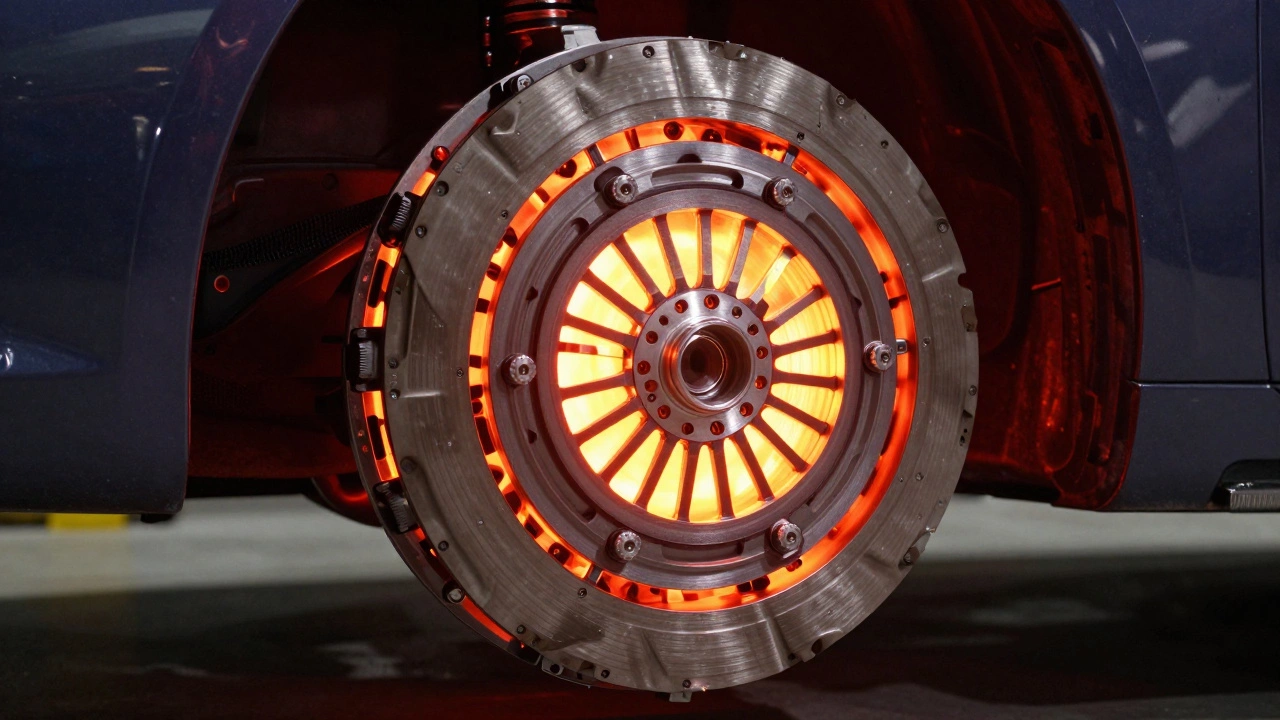
How Much HP Can a Stage 2 Clutch Handle?
A stage 2 clutch can handle 400-550 horsepower, but torque matters more than HP. Learn what makes a clutch last, how to choose the right one, and when to upgrade beyond stage 2.
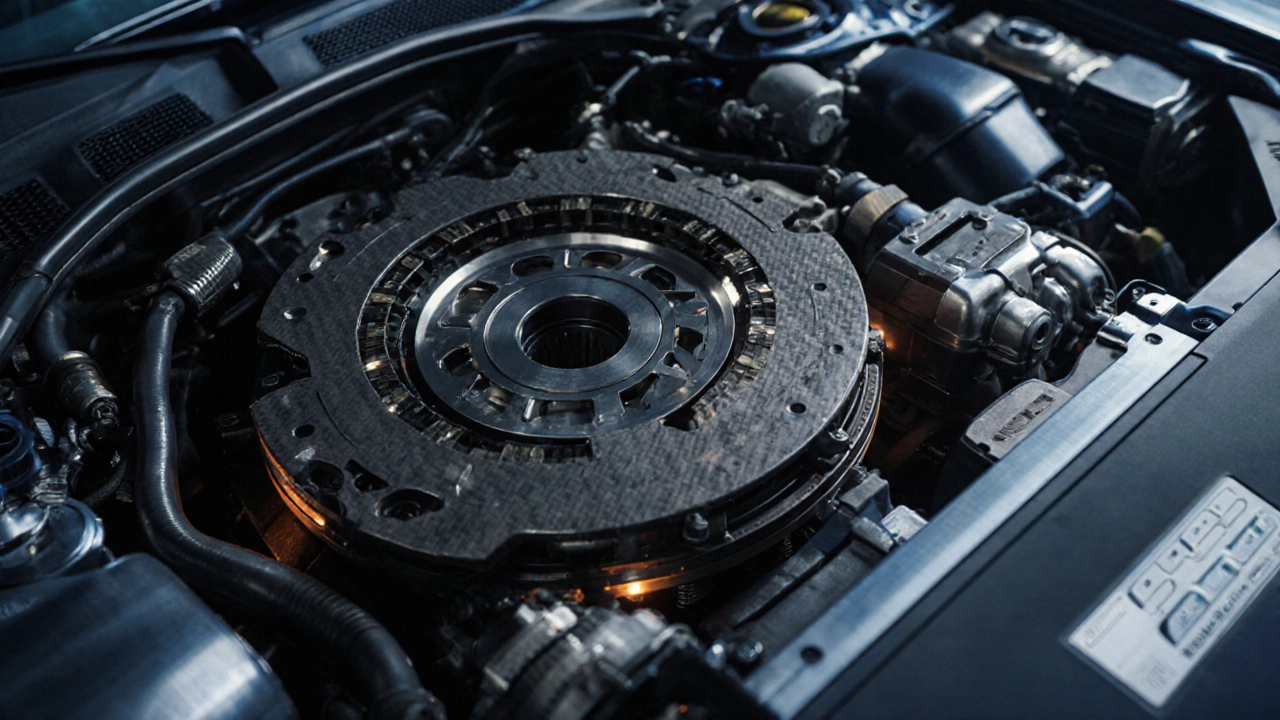
Do Upgraded Clutches Really Boost Acceleration?
Learn if an upgraded clutch truly speeds up your car, how it works, real performance data, installation tips, and when the upgrade is worth it.