Coolant Loss: Why It Happens and How to Fix It Before It Costs You Thousands
When your car starts running hot, coolant loss, the gradual or sudden drop in engine coolant fluid that leads to overheating and potential engine damage. Also known as coolant leakage, it’s one of the most common yet ignored problems in cars. You might not see steam or smell burning fluid right away—but if your temperature gauge creeps up, your coolant reservoir is emptying faster than it should, or you’re adding fluid every few weeks, you’re already in danger.
Radiator leaks, a frequent source of coolant loss where corrosion, cracks, or loose fittings let fluid escape are often the first suspect. But it’s not always the radiator. A water pump failure, when the internal seal wears out and coolant begins seeping from the pump housing can drip slowly, making it easy to miss until the engine overheats. Even a cracked hose, a loose clamp, or a blown head gasket can cause coolant to vanish without a trace. And here’s the catch: if coolant leaks into your engine oil, you’re not just losing fluid—you’re risking a seized engine.
Most people wait until the car won’t start or the warning light flashes red before they act. But coolant loss doesn’t happen overnight. It’s a slow leak, a tiny drip under the car, a faint sweet smell when you open the hood. By the time you notice, you might already have warped cylinder heads or a blown head gasket—repairs that cost three times what fixing the leak would’ve. The good news? Most coolant loss issues are fixable with basic tools and a little know-how. You don’t need a shop to find a cracked hose or replace a thermostat. You just need to know where to look.
Below, you’ll find real guides from people who’ve been there—how to test for a bad radiator, how to spot a failing water pump without guessing, why a coolant flush isn’t always the answer, and what to do when your car overheats on the highway. These aren’t theory pages. These are step-by-step fixes from real drivers who saved themselves thousands by acting early.
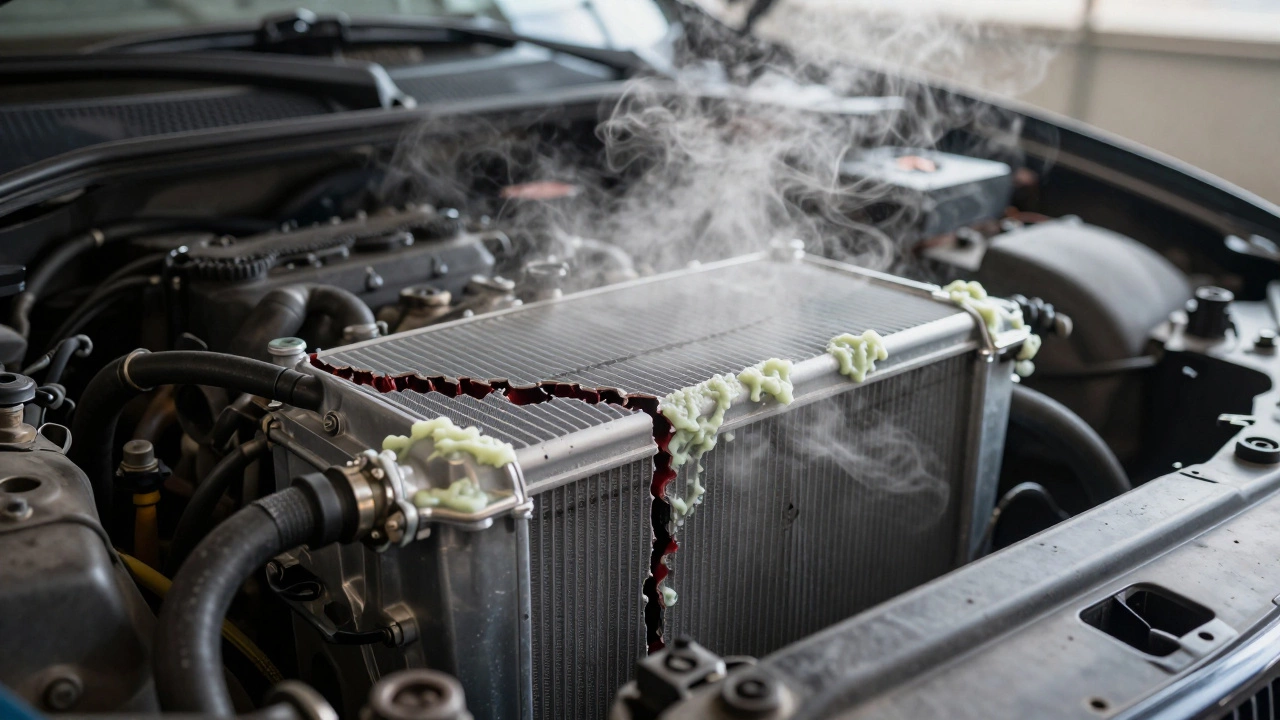
How to Tell If Your Car Radiator Is Failing
Learn the real signs your radiator is failing - overheating, coolant loss, sludge, and more. Avoid engine damage by catching radiator problems early.
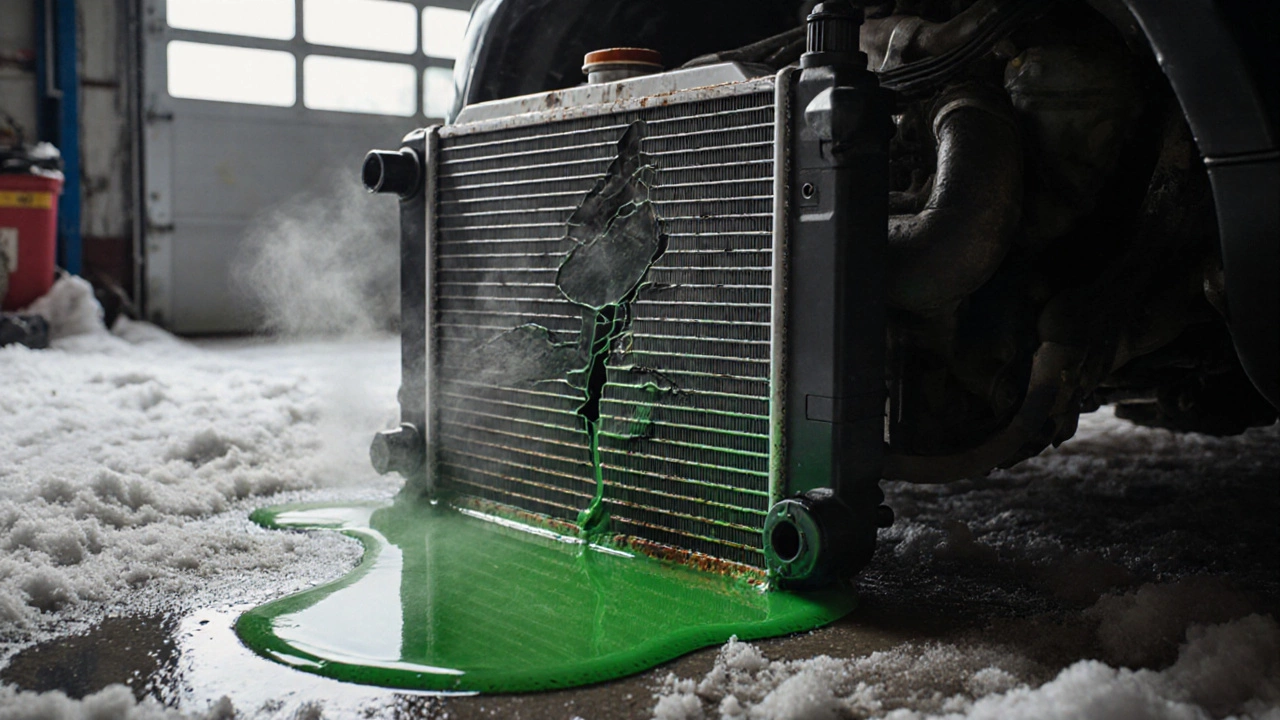
How Do I Know If My Radiator Is Bad? 7 Clear Signs to Watch For
Learn the 7 clear signs your radiator is failing-from coolant leaks to engine overheating-and what to do before it leaves you stranded. Save money and avoid engine damage.